



First, Plan Your Path
A successful small-town Nordic tour is about depth, not distance. Instead of trying to conquer all five countries, focus on a specific region. You could explore the fairy-tale island of Funen in Denmark, road-trip through Sweden's southern Skåne county,
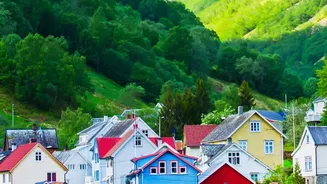
or immerse yourself in the dramatic fjord-lands of western Norway. The best time to visit is generally from May to September, when daylight is plentiful and services are fully operational. Summer offers the buzz of local life, while the shoulder months of May and September provide fewer crowds and a different kind of beauty. Don't overschedule; the magic of these towns is in slowing down, so build in time for spontaneous discoveries.
Getting Around The Nordics
While the Nordic capitals are well-connected by train, renting a car offers unparalleled freedom for exploring rural areas and tiny villages. Roads are generally excellent and well-maintained, but be mindful of wildlife, especially in Sweden and Norway. For a coastal journey, an extensive network of ferries and even overnight cruises can connect you to islands like Denmark's Ærø or Sweden's Gotland. Public transport, including comprehensive bus networks, is reliable and can be a great option if you prefer not to drive, though it may require more careful planning to reach the most remote destinations.
Spotlight: Ærø, Denmark
A jewel in the Baltic Sea, the island of Ærø is Danish 'hygge' brought to life. Reachable by ferry, it feels like a step back in time. The main town, Ærøskøbing, is a perfectly preserved 18th-century village with cobblestone lanes and colourful, half-timbered houses. The island is just 30 km long, making it ideal to explore by bicycle, which you can rent locally. Ride past rolling hills and windswept coastlines, stopping at the iconic candy-striped beach huts at Erik's Hale in Marstal or exploring the maritime museum to understand the island's deep connection to the sea. It's a place to disconnect, breathe in the sea air, and enjoy a slower pace of life.
Spotlight: Visby, Sweden
Located on the island of Gotland, Visby is a UNESCO World Heritage site and one of the best-preserved medieval Hanseatic towns in Scandinavia. Encircled by a dramatic 3.4 km stone wall with ancient towers, the old town is a labyrinth of winding streets and church ruins. In summer, the town is draped in roses and buzzes with energy, culminating in the famous 'Medieval Week' in August. Explore the Gotland Museum to see Viking artifacts, wander through the serene Botanical Garden, and enjoy the stunning sea views. While popular with Swedes, it remains a lesser-known gem for many international visitors.
Spotlight: Reine, Norway
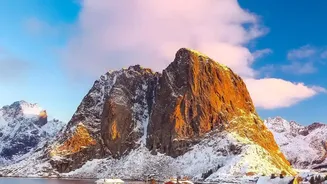
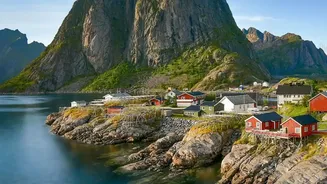
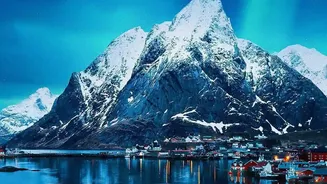
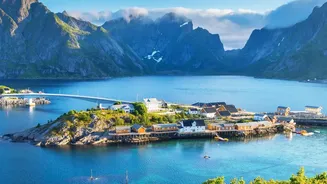
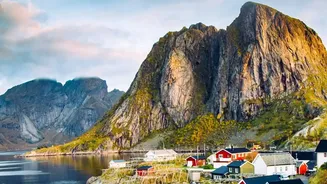
For sheer dramatic beauty, few places can compete with Reine. This tiny fishing village is located in the spectacular Lofoten Islands archipelago, far above the Arctic Circle. Jagged, snow-dusted peaks rise directly from the sea, surrounding a harbour dotted with iconic red fishing cabins known as 'rorbuer', many of which are available to rent for an authentic stay. In summer, you can hike the challenging but rewarding Reinebringen trail for an unforgettable panoramic view (the stone steps make it more accessible) or go kayaking in the calm fjord waters. In winter, it becomes a tranquil haven for witnessing the incredible Northern Lights.
Spotlight: Porvoo, Finland
Just a short trip east of Helsinki, Porvoo is Finland's second-oldest town and a visitor's delight. It is most famous for the iconic red-ochre shore houses lining the Porvoo River, which were once used to store goods from faraway lands. The Old Town, with its cobbled streets and colourful wooden houses, is a joy to explore on foot. You can browse artisan boutiques, visit the medieval Porvoo Cathedral, and treat yourself at the famous Brunberg chocolate shop. A visit to Porvoo offers a charming glimpse into Finland's rich history and culture, making it a perfect day trip or a peaceful overnight stay.