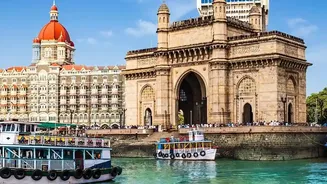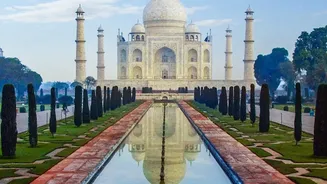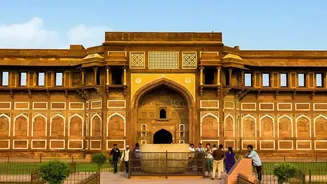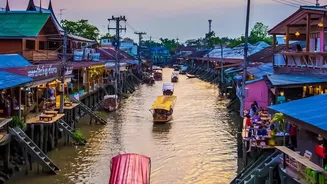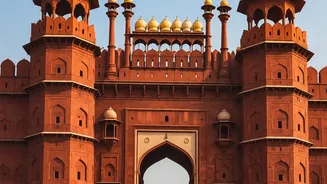



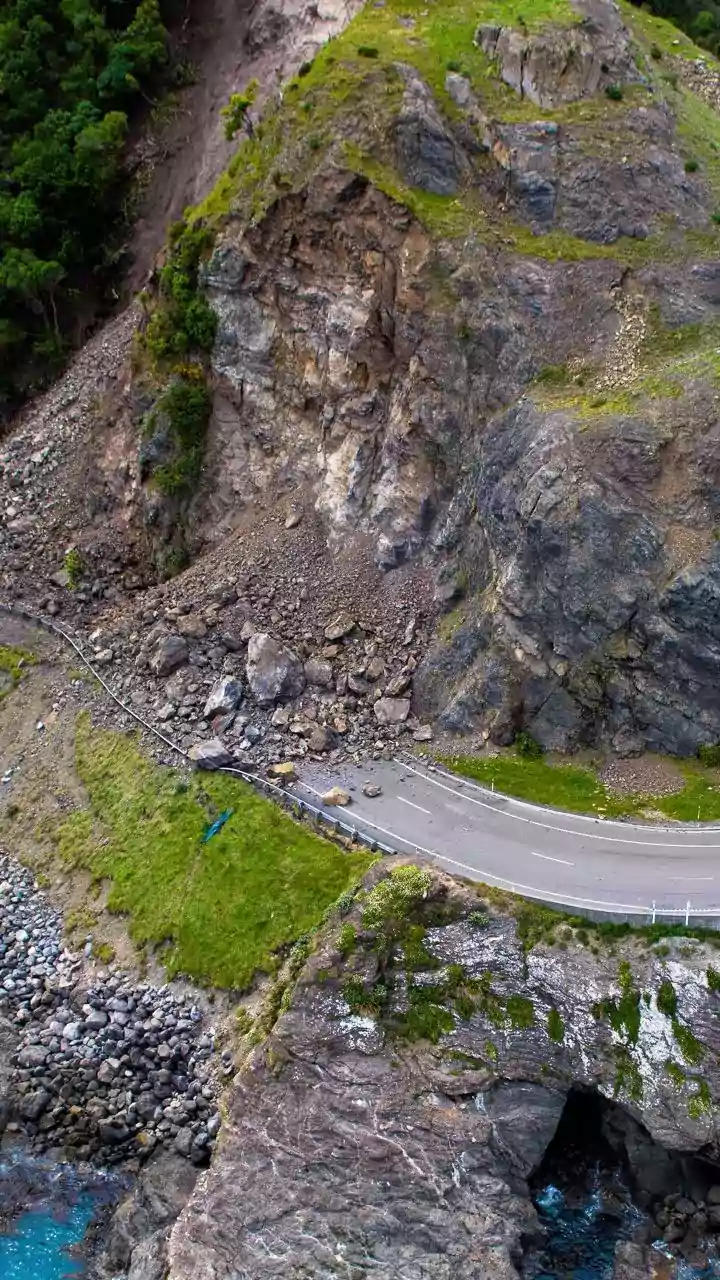




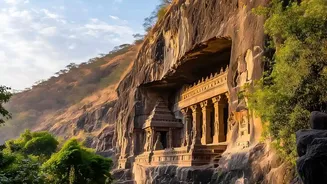
A National Push for Tourism
The Indian government is heavily investing in tourism, moving beyond isolated attractions to develop comprehensive tourist destinations. Schemes like Swadesh Darshan 2.0 and PRASHAD are channelling significant funds into creating and upgrading tourism infrastructure,
from beach experiences in Andhra Pradesh and Goa to spiritual centres in Bodh Gaya and pilgrimage sites in Tamil Nadu. The core idea is to develop sustainable and responsible destinations with a focus on enhancing the visitor experience. This 'destination-centric' approach involves improving everything from roads and airports to signage and basic amenities, making previously hard-to-reach areas more accessible to domestic and international travellers. The government has sanctioned 117 projects worth over ₹5,700 crore in the last two years alone, signalling a clear intent to use tourism as a major engine for economic growth.
The Golden Opportunity for Homestays
As new destinations open up, so does the demand for authentic and affordable accommodation. This is where local homestays come in. Recognising this, both central and state governments are actively promoting homestay businesses. Initiatives in states like Goa, Meghalaya, and Odisha provide financial assistance, subsidies, and marketing support to individuals looking to convert their homes into homestays. For instance, Goa offers a grant of ₹2 lakh, while Meghalaya's scheme supports up to 70% of a new project's cost and includes design support and training. The national strategy for rural homestays and special provisions for tribal areas under schemes like DA-JUGA further aim to create livelihood opportunities for local communities, empowering them to become direct participants and beneficiaries of the tourism economy.
The Rise of the Hyper-Local Guide
Modern travellers are increasingly seeking unique, authentic experiences that go beyond conventional sightseeing. They want to connect with the local culture, food, and way of life—experiences that only a local guide can truly offer. This shift in demand creates a fertile ground for a new generation of tour guides who can offer specialised tours, such as culinary trails, nature walks, craft workshops, and heritage storytelling. The government is backing this with upskilling initiatives, including a pilot scheme to train 10,000 guides at 20 iconic sites in collaboration with premier institutions like the IIMs. State-level programmes, like Goa's Tourist Guide Certification Scheme, provide structured training on local history, culture, and soft skills, ensuring a high standard of service and creating certified professionals ready to meet the new demands of the industry.
Connecting the Dots: Infrastructure and Local Enterprise
The link between large-scale infrastructure and small-scale enterprise is direct. A new airport in a Tier-2 city like Darbhanga or Shivamogga dramatically reduces travel time, placing the region on the tourist map overnight. According to the Civil Aviation Minister, every new air route creates a new tourism economy. This improved connectivity, a key focus of schemes like UDAN, acts as a catalyst. Suddenly, there is a viable market for a homestay in a nearby village or a local guide specializing in the region's unique folklore. The development of a museum in Ponda or the beautification of Harvalem Waterfall in Goa doesn't just attract tourists; it creates a direct need for services that locals are perfectly positioned to provide.
Navigating the Path Forward
While the opportunities are immense, success is not automatic. A crucial element is bridging the skill gap through targeted training in hospitality, digital marketing, and communication. Furthermore, as tourism grows, so does the risk of overcrowding and environmental strain. The emphasis of schemes like Swadesh Darshan 2.0 on 'sustainable and responsible' tourism is therefore critical. For local guides and homestay owners, this means adopting eco-friendly practices and focusing on quality over quantity to preserve the very culture and environment that attracts tourists in the first place. Community involvement in the planning process is key to ensuring that development is equitable and doesn't lead to cultural commodification, a model that has seen success in regions like North East India.