






The Numbers Behind the Surge
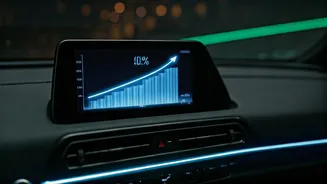
The data paints a compelling picture of an industry in overdrive. In the first quarter of the 2027 fiscal year (April-June 2026), retail registrations for electric passenger vehicles surged by 89.3% year-on-year, reaching 82,737 units compared to 43,710
in the same period last year. This phenomenal growth wasn't limited to cars. The electric two-wheeler segment, the backbone of India's EV adoption, also saw record-breaking sales, with March 2026 alone registering over 190,000 units. This growth indicates that electric vehicles are transitioning from a niche interest to a mainstream consumer choice, powered by a combination of government support, new model launches, and increasing buyer confidence.
The Two-Wheeler Takeover
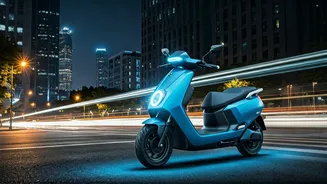
While electric cars grab headlines, the real volume driver in India's EV story is the two-wheeler segment. This category consistently dominates sales charts, accounting for the vast majority of all EVs sold. The first quarter of 2026 was no exception, with sales hitting record highs. This boom is led by established players and nimble startups alike. Companies like TVS Motor, Bajaj Auto, and Ather Energy have emerged as front-runners, collectively capturing a significant portion of the market. Their success is built on offering a wider range of products, expanding service networks, and in some cases, introducing innovative ownership models like Battery-as-a-Service (BaaS) to lower the upfront cost for consumers.
Tata Motors Leads the Four-Wheeler Charge
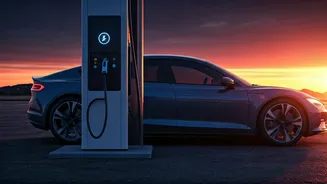
In the passenger vehicle space, one name stands dominant: Tata Motors. The Indian automaker has firmly established itself as the market leader, more than doubling its EV registrations in the first quarter to 32,283 units and expanding its market share to 39%. This growth comes even as competition intensifies. Mahindra & Mahindra solidified its second-place position with a near-doubling of its own sales. The market also saw impactful debuts from Maruti Suzuki with its eVitara and Vietnamese manufacturer VinFast, both of whom recorded significant registrations in their first full quarter, shaking up the established rankings.
Government Policy in the Driver's Seat
This market acceleration isn't happening in a vacuum. It is significantly fueled by government policy. The central government's FAME (Faster Adoption and Manufacturing of Electric Vehicles) scheme, now in a new phase called PM E-DRIVE, provides crucial demand-side incentives that make EVs more affordable. These subsidies, which are often applied directly at the point of sale, reduce the sticker price for consumers, particularly for two-wheelers and three-wheelers. On top of central schemes, many states offer their own benefits, such as waivers on road tax and registration fees, which further sweeten the deal for prospective buyers. This multi-layered policy support is critical in a price-sensitive market like India.
Roadblocks and Reality Checks
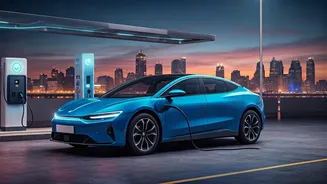
Despite the impressive growth, the road ahead is not without its speed bumps. The most significant challenge remains the charging infrastructure, which has not kept pace with vehicle sales. Range anxiety, the fear of running out of power, is a real concern for many potential buyers, especially outside major urban centers. A recent study highlighted that nearly 45% of Indian households may require electrical upgrades to safely charge an EV at home, pointing to a hidden cost and logistical hurdle. Furthermore, while subsidies help, the high upfront cost of electric cars compared to their petrol or diesel counterparts remains a barrier for mass adoption. The industry is also dependent on imports for key components like battery cells, creating supply chain vulnerabilities.