




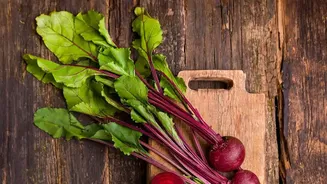

Often relegated to a simple boiled side dish, beetroot's earthy sweetness and vibrant colour hold incredible potential. It's time to move past the basics and explore the many delicious and creative ways to welcome this versatile root into your meals.
A Quick Note on Preparation
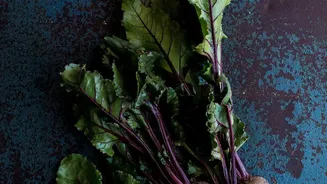
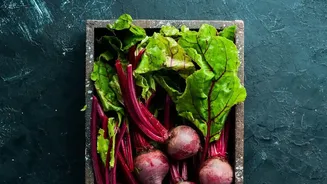
Before you begin, a little prep goes a long way. To avoid stained hands, it's wise to wear gloves when handling beetroot. For many cooking methods like roasting or boiling, you can leave the skin on during the initial cook; it will slip off easily once the beet is tender and has cooled slightly. If a recipe calls for raw beet, a good scrub and a vegetable peeler will do the trick. Remember to trim the leaves, but don't discard them! Fresh beet greens can be washed and sautéed just like spinach or chard.
Roast for a Deep, Sweet Flavour
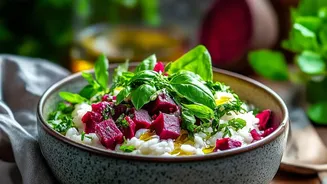
Roasting is perhaps the best way to transform beetroot and bring out its natural, concentrated sweetness. The high, dry heat caramelises the sugars, resulting in a tender texture and a less earthy taste. Simply scrub your beets, toss them with a little olive oil, salt, and pepper, and wrap them in foil. Roast in a hot oven (around 200°C) for 45-60 minutes, or until a knife inserts easily. The resulting roasted beets are delicious on their own, tossed into salads with feta or goat cheese and walnuts, or served as a warm side dish.
Grate It Raw for a Crunchy Kick
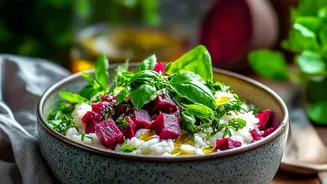
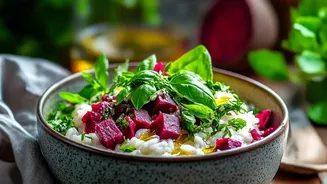
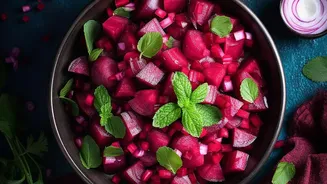
Don't forget that beetroot can be fantastic when eaten raw. It offers a wonderful crispness and a bolder, more pronounced earthy flavour. After peeling, you can grate it, shred it, or slice it very thinly. Raw beetroot is a perfect addition to salads and slaws, adding both colour and a fresh crunch. Try mixing grated beetroot into a simple raita with yoghurt and a pinch of cumin, or use it as a vibrant garnish for curries and rice dishes.
Blend into Soups and Dips
Beetroot's vibrant hue and smooth texture when cooked make it an ideal candidate for blending. For a classic comfort dish, try making borscht, a traditional Eastern European soup where beetroot is the star. For a modern twist, add cooked beetroot to your favourite hummus recipe. Simply blend it with chickpeas, tahini, lemon juice, and garlic for a stunningly pink dip that is perfect for serving with pita bread or vegetable sticks. It adds a subtle sweetness that pairs wonderfully with the creamy chickpeas.
Juice It for a Nutrient Boost
Juicing is a popular way to consume beetroot, packing its nutritional benefits into a single glass. Its earthy taste pairs well with other fruits and vegetables. Classic combinations include beetroot with apple, carrot, and a knob of ginger for a bit of warmth. Citrus fruits like oranges also work well, with their acidity balancing the beet's sweetness. Juicing is a refreshing way to enjoy the vegetable's nutrients, including folate, potassium, and antioxidants.
For a healthy and satisfying snack, try making beetroot chips. This is a fantastic alternative to storebought potato chips. Thinly slice peeled beetroot using a mandoline for uniform thickness. Toss the slices with a very small amount of oil, salt, and your favourite spices—a little rosemary or thyme works beautifully. Spread them in a single layer on a baking sheet and bake in a moderate oven until crisp. They make for a colourful, crunchy snack that is both delicious and guiltfree.
Beyond its versatility in the kitchen, beetroot is packed with health benefits. It is naturally rich in nitrates, which the body converts to nitric oxide, a compound that can help improve blood flow and lower blood pressure. Beets are also a great source of fibre, folate, and antioxidants like betalains, which give the vegetable its deep colour and have antiinflammatory properties. Including this root vegetable in your diet is a delicious way to support your overall health.