



Beyond the Postcard Image
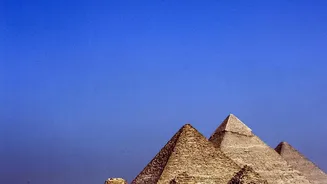
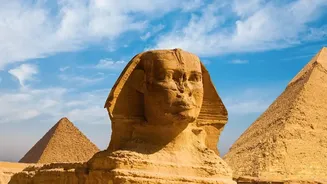
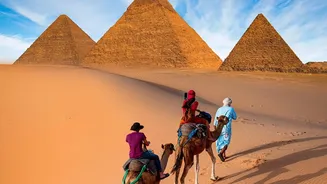
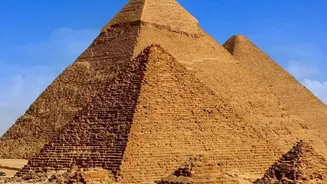
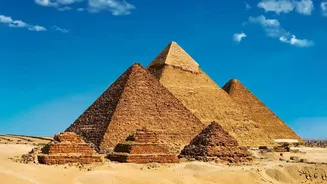
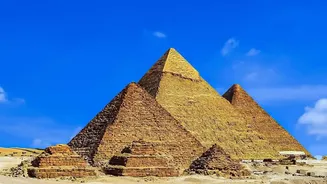
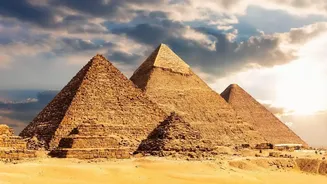
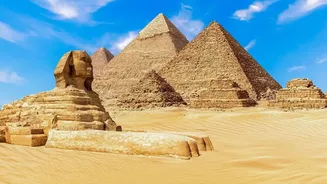
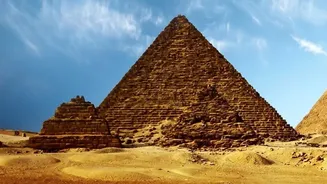
The images are iconic: the Great Pyramids of Giza against a desert sky, the silent gaze of the Sphinx, and treasure-filled tombs. This is the Egypt that fuels our imagination. The reality on the ground includes intense heat, bustling crowds at major sites,
and persistent vendors. Some travellers find this overwhelming, leading to disappointment. However, viewing these challenges not as negatives but as part of the authentic Egyptian travel experience is the first step. Egypt is a country of immense historical density and modern-day chaos, and embracing both is crucial. It’s a destination that is less about a relaxing holiday and more about a journey of deep cultural immersion that rewards the prepared traveller.
Why Your Calendar Is Your Best Tool
Choosing when to visit Egypt can make or break your trip. The period from October to April is widely considered the best time, offering pleasant daytime temperatures perfect for exploring outdoor monuments. Visiting between June and August means facing scorching heat, with temperatures in southern cities like Luxor and Aswan often exceeding 40°C. While this low season brings fewer crowds and lower prices, the heat can be debilitating. For a balance of good weather and manageable crowds, consider the 'shoulder' months of October, November, March, or April. Peak tourist season falls around Christmas and New Year's, bringing with it the coolest weather but also the biggest crowds and highest prices.
The Art of Navigating Crowds and Commerce
The sheer number of visitors at world-famous sites like the Valley of the Kings and Karnak Temple can be daunting. An effective strategy is to arrive as early as possible, just as the sites open, to get ahead of the large tour bus groups. Another challenge many visitors face is the assertive nature of local commerce, from market haggling to the widespread culture of 'baksheesh' (tipping). It is helpful to understand that tipping for small services is a cultural norm. Carrying small denomination notes is practical for these situations. When shopping in bazaars like Cairo's Khan el-Khalili, remember that haggling is expected and part of the experience. A polite but firm "La, shukran" (No, thank you) is invaluable for deflecting unwanted sales pitches.
The Guide Who Makes the Trip
For a destination as historically rich and logistically complex as Egypt, the quality of your guide is paramount. A licensed, knowledgeable Egyptologist does more than just share facts; they bring ancient history to life, provide invaluable cultural context, and handle the on-the-ground logistics that can frustrate independent travellers. A good guide acts as a cultural bridge and a buffer, skillfully navigating interactions with vendors and ensuring you see the best of each site, often knowing the quieter times and less-crowded corners. Many travellers find that investing in a reputable tour operator or private guide transforms their trip from a stressful series of transactions into a seamless and deeply enriching journey.
Expanding Your Itinerary and Mindset
While the Pharaonic sites between Cairo and Aswan are the main draw, Egypt has much more to offer. To avoid feeling like you are on a relentless tourist conveyor belt, consider building other experiences into your itinerary. Explore the vibrant, modern metropolis of Cairo, relax in the laid-back Nubian villages near Aswan, or unwind at the beautiful Red Sea resorts known for their world-class diving and snorkelling. Also, a trip to the magnificent new Grand Egyptian Museum (GEM) near the Giza pyramids is a must. After many delays, it finally opened fully in late 2025 and houses the entire Tutankhamun collection among its over 100,000 artifacts.
Essential Paperwork and Practicalities
For Indian citizens, a visa is required to enter Egypt. The most convenient method is often the e-Visa, which can be applied for online before your trip. A single-entry tourist visa typically costs around $25 USD and allows for a stay of up to 30 days. It is recommended to apply at least a week or two before your departure. While a visa-on-arrival exists, it's not generally recommended for Indian citizens traveling directly from India unless they meet specific criteria, such as holding a valid visa from the USA or UK. Always drink bottled water to avoid stomach issues, and dress modestly, especially when visiting religious sites.