





A Smaller, Lighter, Less Thirsty Dish
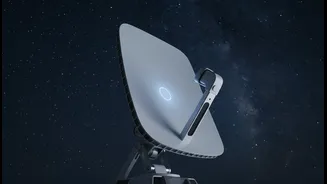
SpaceX recently unveiled its V5 residential Starlink dish, and the most surprising thing about it is what it doesn't do: dramatically increase your download speeds. In fact, its rated top speed is slightly lower than the previous V4 model. Instead, the V5's
upgrades are all about efficiency. The new dish is significantly smaller and lighter, weighing just 1.1 kg compared to the V4’s 2.9 kg. This makes it easier to ship, handle, and mount on a roof. The biggest change, however, is its power consumption. The V5 averages 35-50 watts, a huge reduction from the V4's 75-100 watts. This makes it far more practical for users in off-grid locations who rely on solar power or batteries, and it lowers the electricity bill for everyone else.
The Age of Efficiency
This move from SpaceX signals a new phase for the satellite internet industry. The initial challenge was proving the technology worked—launching thousands of satellites and delivering high-speed internet from space. Now, the focus is shifting to scalability and cost-effectiveness. By designing a dish that is presumably cheaper to manufacture and more power-efficient, SpaceX can lower the barrier to entry for new customers and improve its own profit margins. This is a classic technology lifecycle, similar to the evolution of mobile phones from bulky, expensive gadgets for the few to sleek, affordable devices for the masses. The V5 isn't about a performance leap; it's about making the existing performance more accessible and sustainable. A SpaceX executive noted the V5 was designed with reliability and scalability in mind, based on learnings from previous products.
What This Means for the User
For the end-user, the V5 represents a trade-off. While the V4 remains the more powerful option for those seeking the highest possible speeds, the V5 is the practical choice. It’s easier to install and cheaper to run. It also ships with a pipe adapter for mounting, a small but thoughtful addition that simplifies installation. However, the new model is not intended for in-motion use, unlike some of the more premium options. The V5 kit will be bundled with Starlink's Router Mini, which has a more limited Wi-Fi range than the router included with the V4. This suggests SpaceX is segmenting its product line: a higher-performance V4 for power users and a highly efficient V5 for the mainstream residential market.
The Indian Context: A Market in Waiting
For India, the arrival of more efficient and potentially cheaper hardware is particularly significant. Starlink has been working to enter the massive Indian market for years, a market with vast rural areas that stand to benefit immensely from satellite broadband. The company is reportedly in active discussions with the Indian government, awaiting a final operating license. There have been delays related to national security concerns, with New Delhi seeking assurances about its ability to control the network. However, Starlink has stated its plans remain on track. A more affordable and power-efficient dish like the V5 could be a game-changer for India, making the service more appealing to a wider customer base once regulatory hurdles are cleared. This hardware evolution shows that when Starlink does launch, it will do so with a product better suited for the realities of the Indian market.