




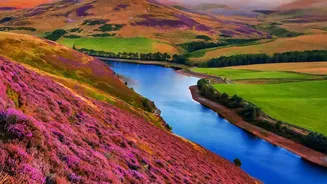
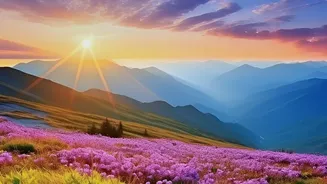
What Exactly Is Neelakurinji?
Neelakurinji, or Strobilanthes kunthiana, is a shrub native to the shola forests of the Western Ghats. The name itself is a beautiful description: in local languages, 'Neela' means blue and 'Kurinji' means flower. It typically grows at high altitudes,
between 1,300 and 2,400 metres. This isn't just any flower; it belongs to a group of plants known as plietesials, which are famous for their long intervals between flowering. While there are many species in its genus, Neelakurinji is celebrated for its highly predictable and synchronised 12-year blooming cycle.
The Magic of the 12-Year Cycle
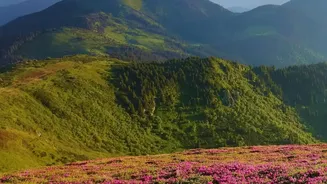
The 12-year bloom is a fascinating survival strategy. Neelakurinji is a monocarpic plant, meaning it flowers only once in its lifetime. Over a dozen years, it grows and matures, storing up energy for one grand reproductive event. After carpeting the hills in its signature colour, it sets seeds for the next generation and then dies. This mass flowering, or masting, ensures a higher rate of pollination and seed survival. Some sources even note that the Paliyan tribal community in Tamil Nadu historically used the bloom cycle to calculate their age. The current bloom in 2026 is happening right on schedule for this specific population of flowers, which last bloomed in 2014.
Is This Bloom Happening Early?
There has been some confusion about the timing, with many associating Munnar's main bloom with a 2018 event, which would mean the next one is due in 2030. However, different populations of Neelakurinji in the Western Ghats operate on different clocks. The highly-publicised bloom at Eravikulam National Park did indeed happen in 2018 and is expected again in 2030. The current 2026 bloom is a separate population located in areas like Chokramudi and the Mattupetty-Korandakkad hills, which follows its own 12-year cycle from its last bloom in 2014. So, it's not early—it's just a different group of flowers having their moment.
Where and When to See the Bloom
The 2026 bloom officially began in August and is expected to reach its peak in September and October. The current hotspots are the Chokramudi hills, Korandakkad, and areas around Mattupetty. Forest officials anticipate the bloom will spread to higher slopes, including parts of Meesapulimala, as the season progresses. To manage the influx of tourists, the Chokramudi area was opened to visitors on August 24, with entry fees and specific visiting hours. Due to narrow roads, authorities are managing traffic by having visitors park in Munnar town and use special shuttle buses.
A Call for Responsible Tourism
This natural wonder is as delicate as it is beautiful. The Neelakurinji plant is listed as a vulnerable species by the IUCN due to habitat shrinkage from plantations, urbanisation, and tourism pressure. The flowers play a key role in the local ecosystem, attracting a host of pollinators like bees and butterflies. Authorities are urging visitors to be responsible. This means staying on designated trails, not plucking or uprooting the flowers for photos, and carrying all litter back with you. Damaging the plants not only spoils the view for others but also jeopardises the next bloom cycle, which for this population will not occur again until 2038.