




A Vital Waterway Turned War Zone
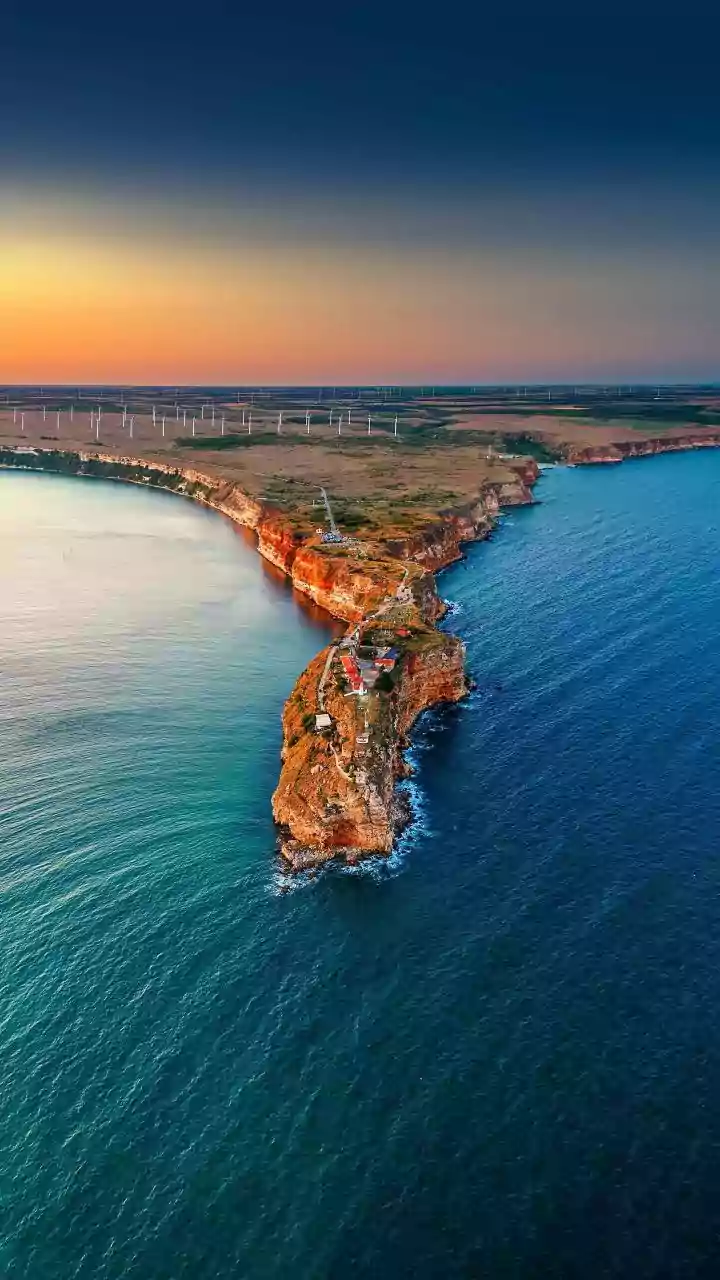
The Black Sea has for centuries been a strategic channel connecting Europe to Asia, a critical outlet for major commodity producers like Russia and Ukraine. Its waters are shared by Bulgaria, Georgia, Romania, and Turkey, which controls the Bosphorus
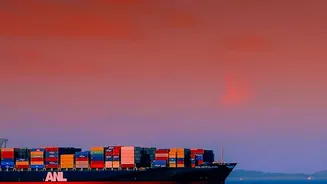
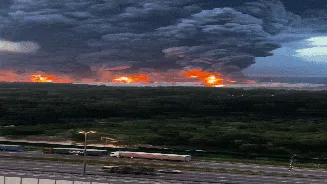
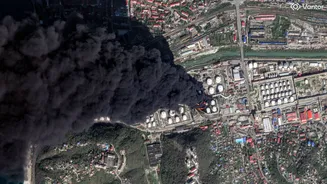
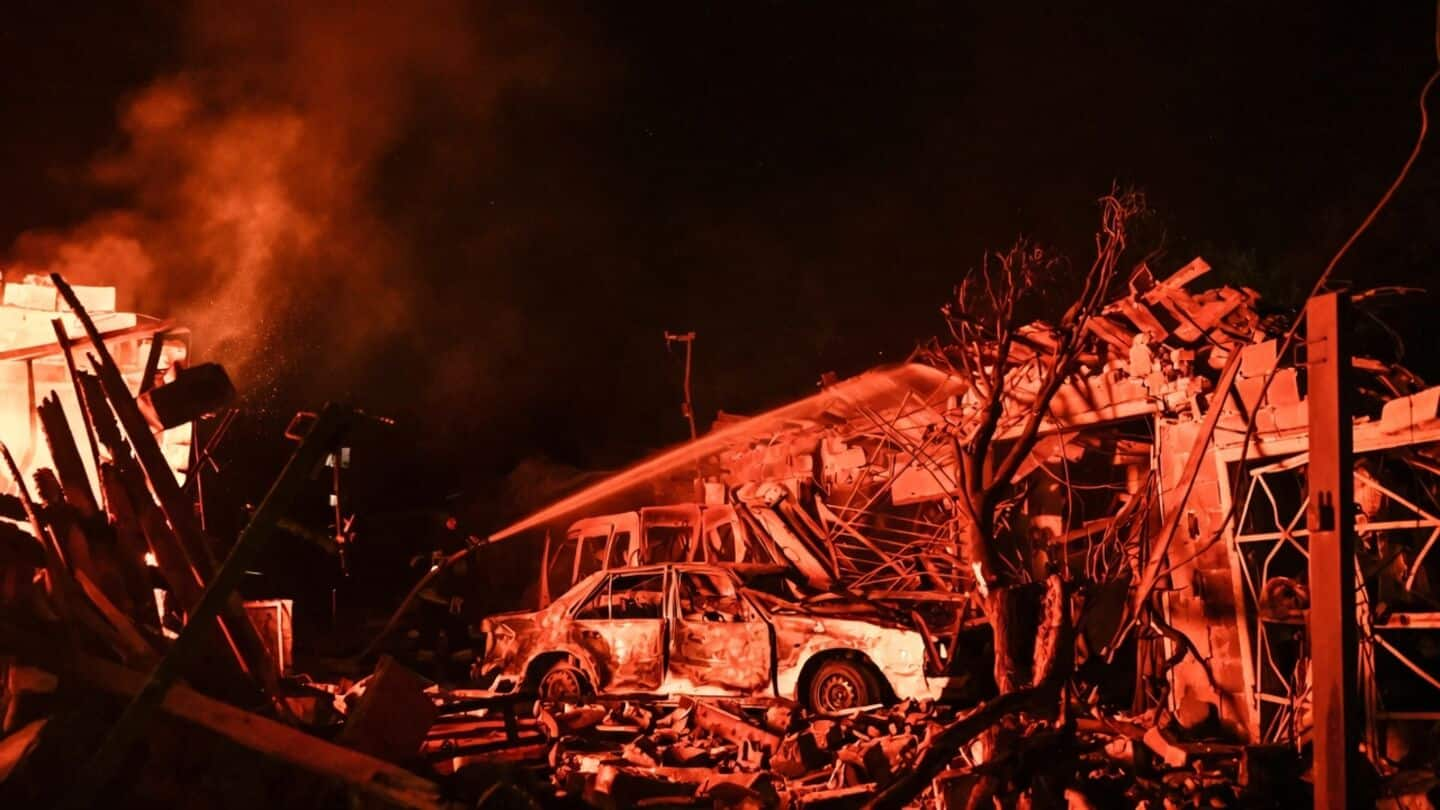
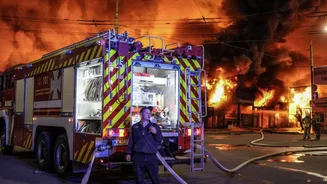
and Dardanelles straits, the sea's only passage to the Mediterranean. More than four years into the war in Ukraine, this essential maritime route has transformed into an active front. Both Russia and Ukraine have escalated attacks on each other's port infrastructure and commercial vessels. Ukraine has deployed sophisticated naval drones against Russian warships and oil tankers, even striking the major naval base at Novorossiysk. In response, Russia has targeted Ukrainian port facilities, with dozens of strikes recorded in a single month. This surge in hostilities has turned the region into a perilous chokepoint for global trade.
The Global Breadbasket's Broken Supply Line
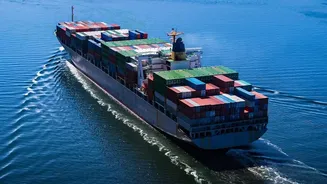
Together, Russia and Ukraine are titans of global agriculture, supplying a huge portion of the world's wheat, corn, and sunflower oil. Now, that supply is in jeopardy. With attacks making shipping routes unsafe, Ukraine’s agricultural exports face paralysis. The country’s agriculture ministry has been forced to slash its 2026-27 grain export forecast by more than 50%, a staggering reduction that threatens its primary source of export revenue. Russia, the world's largest wheat exporter, is also feeling the pressure. Disruptions at its key ports are expected to cause August wheat exports to fall to their lowest levels in a decade. This dual disruption is already sending ripples through global markets, with wheat prices climbing due to the renewed supply uncertainty. For millions who depend on these supplies, particularly in Africa and the Middle East, the consequences could be severe.
More Than Just Grain at Risk
The risk extends well beyond food supplies. The Black Sea is also a major conduit for energy. Russia's main Black Sea oil terminal at Novorossiysk, which handles approximately 700,000 barrels of crude oil per day, has been forced to suspend loadings due to attacks. Also affected is the Caspian Pipeline Consortium, a route that brings Kazakh oil to the global market via the Black Sea and accounts for a significant portion of the world's oil supply. Ukraine has ramped up attacks on tankers involved in Russia's oil trade, viewing them as part of the war machine. The disruption threatens not just Russian exports but also the energy supplies of countries like Kazakhstan that rely on these corridors. The conflict also puts major fertiliser exports from the region at risk, which could impact crop yields and farming costs globally.
The Soaring Cost of a High-Risk Passage
Operating in a war zone comes at a steep price. The cost of insuring vessels brave enough to enter the Black Sea has skyrocketed, in some cases doubling in just a few weeks to as much as 2% of a ship's total value. Daily charter costs for oil tankers have also climbed dramatically. These are not abstract figures for shipping companies; they are direct costs that get baked into the final price of transported goods. This means that even if grain or oil can get out, it arrives at its destination carrying a hefty risk premium. For importers, this makes vital commodities more expensive, a cost ultimately passed on to consumers at the grocery store and the petrol pump. This economic pressure is forcing some nations to seek alternative, and potentially more expensive, sources for critical imports.