





The Post-Pandemic Push for Space
One of the most significant drivers has been a fundamental change in buyer preferences following the pandemic. The home is no longer just a place to sleep; it has become an office, a gym, and a family sanctuary. This has fueled a strong demand for larger
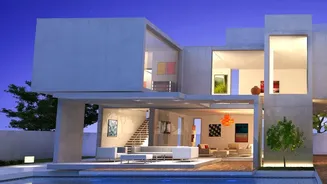
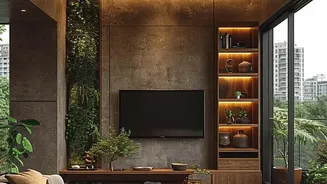
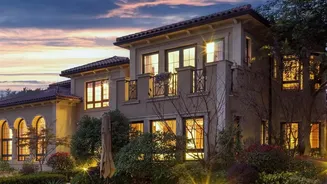
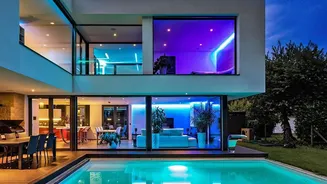
living spaces, dedicated home offices, and better amenities like clubhouses, green areas, and wellness facilities. Buyers are now willing to spend more for a home that offers a higher quality of life and more personal space, a trend that naturally favours premium and luxury developments which are designed around these very features. This shift is less about extravagance and more about a practical desire for a home that can accommodate a hybrid work-life balance and provide a secure, comfortable environment.
A Surge in Wealth and Aspirations
The financial landscape has also played a crucial role. A buoyant stock market has created a significant 'wealth effect,' boosting the confidence and spending power of high-net-worth individuals (HNIs) and the upper-middle class. As the value of their financial assets grew, many felt more secure in making large-ticket purchases like premium real estate. This financial confidence, combined with rising disposable incomes, has enabled a large segment of the population to upgrade their lifestyles. For many, purchasing a luxury home is an aspirational goal that is now within reach, reflecting a broader trend of upward mobility and a desire for an enhanced standard of living.
Developers Follow the Profit
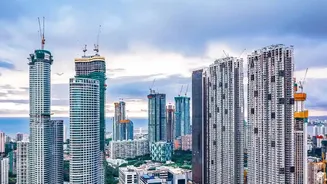
From the supply side, real estate developers are logically following the money. The economics of property development in NCR have shifted. Rising land and construction costs have squeezed profit margins in the affordable housing segment. In contrast, luxury projects offer healthier margins and, in the current market, faster sales. A recent ASSOCHAM-Knight Frank report highlighted that while overall residential sales volume in NCR grew only 7% between 2015 and 2025, home prices surged by 193%, indicating a market concentrating on value over volume. In the first half of 2026, homes priced above ₹1 crore accounted for a staggering 84% of residential sales, up from just 18% in 2018. Developers are therefore strategically launching more premium projects to meet this robust demand and ensure their own financial viability.
The NRI and Investment Factor
Non-Resident Indians (NRIs) have emerged as a powerful force in NCR's luxury market. For many NRIs, particularly those earning in stronger currencies, a weaker rupee makes Indian property an attractive investment. Beyond the currency advantage, India is seen as a stable and growing market, especially amid global uncertainties. Gurugram, in particular, has become a hotspot for NRI investment, thanks to its corporate hubs and branded luxury projects. These buyers are not only looking for a potential future home for their families but also a reliable asset for wealth creation and diversification.
Infrastructure as a Luxury Magnet
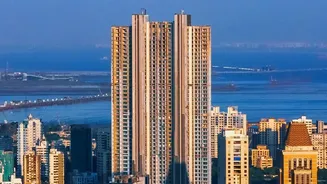
Major infrastructure upgrades have significantly boosted the appeal of premium properties in specific micro-markets. The full operation of the Dwarka Expressway and the upcoming Noida International Airport at Jewar have been game-changers, enhancing connectivity and unlocking the value of nearby areas. These projects have transformed once-peripheral locations into desirable hubs, attracting both developers and affluent buyers. Corridors along the Southern Peripheral Road (SPR) in Gurugram and the Noida Expressway have become epicentres of luxury development, as modern infrastructure is a key factor for buyers in this segment who prioritise seamless connectivity and a high-quality urban environment.