







The Pre-Dawn Ritual of Sargi
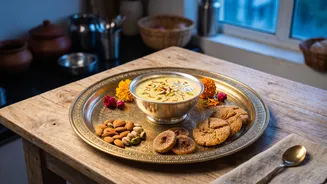
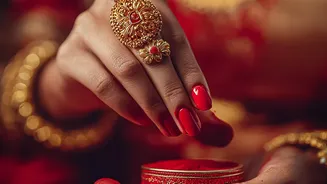
Long before the sun rises on Karwa Chauth, many households are awake for Sargi, a cherished and significant ritual. It is a meal, but more importantly, it is a gesture of love and blessing. Traditionally, a mother-in-law prepares and presents this 'thaali'
(platter) to her daughter-in-law. This act symbolizes her care and support for the daughter-in-law who will observe a 'nirjala' fast (without food or water) for the well-being and longevity of her husband. This pre-dawn exchange is not merely about sustenance; it represents the bond between two generations of women and the passing on of blessings for a prosperous and happy married life. In modern times, even women living away from their families often prepare their own Sargi, keeping the spirit of the tradition alive.
What's Inside a Sargi Thali?
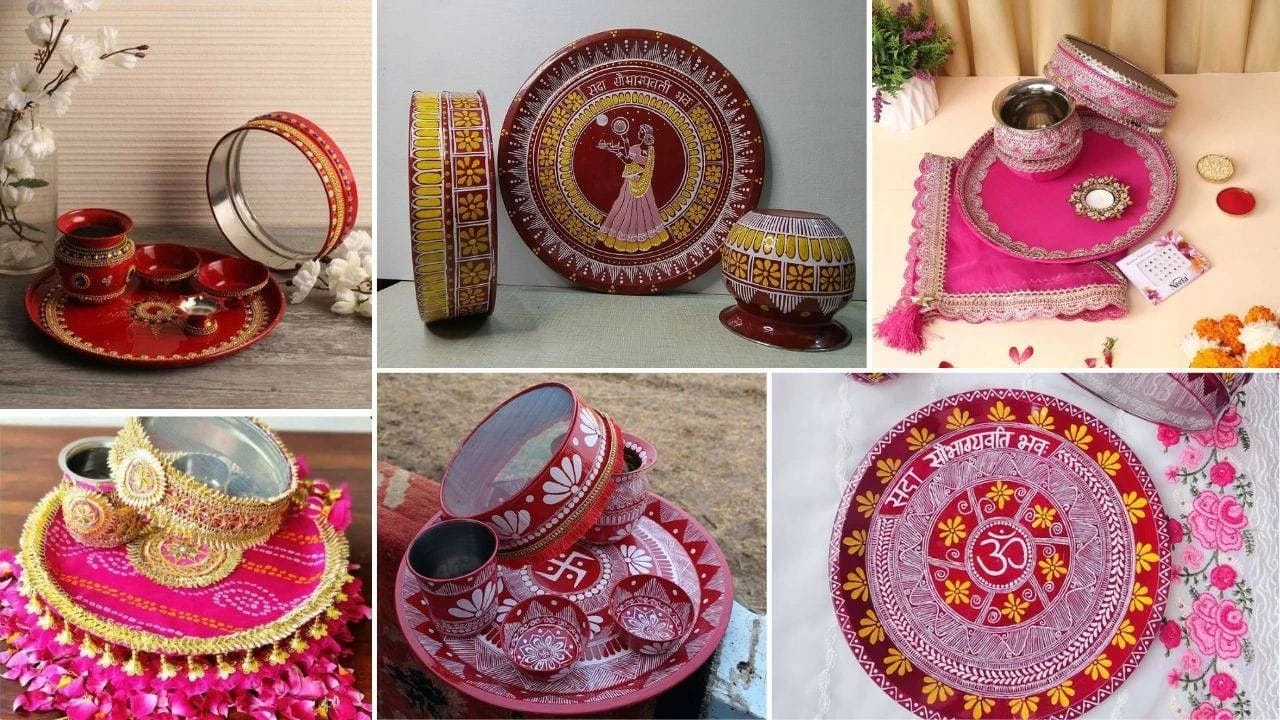
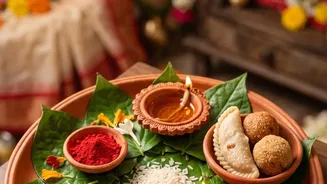
A traditional Sargi thali is a thoughtful collection of different items, each with its own cultural meaning. It usually includes fresh fruits like pomegranates and bananas, which are light and hydrating. You will often find something sweet, like 'pheni' (a type of vermicelli) or 'meethi mathri', symbolizing sweetness in the marital relationship. A handful of dry fruits such as almonds and walnuts are also included, representing the strength and resilience of the marital bond. Beyond the food, the thali might also contain symbolic items like a coconut, which signifies prosperity, along with sindoor (vermilion), and bangles – all emblems of a married woman. Together, these elements form a platter of blessings, intended to offer symbolic nourishment for the day ahead.
The Nirjala Vrat Explained
The central pillar of Karwa Chauth is the 'vrat' or fast. This is a 'nirjala' fast, meaning that from sunrise until moonrise, women abstain from both food and water. This demanding observance is undertaken as an expression of immense love and prayer for the long life and prosperity of their husbands. The origins of this custom are believed to be rooted in ancient times when men would often be away from home for long periods for trade or battle. Their wives would pray and fast for their safe return and well-being. The story of Queen Veervati, who is said to have saved her husband from the lord of death through her devoted fasting, is a popular tale recited during the day. The fast is a personal and spiritual act of devotion, embodying sacrifice and deep-seated faith.
More Than Just a Fast
While the fast is central, Karwa Chauth is a deeply social and festive occasion. The day is not spent in quiet solitude but in joyful preparation and community. Women often dress in beautiful traditional attire, similar to how they would for a wedding, and apply intricate 'mehndi' (henna) designs on their hands. In the afternoon or evening, women in a community or family often gather together to perform a group puja. During this time, they listen to the 'vrat katha' (stories and legends of the fast) and sing traditional folk songs. This shared experience builds a strong sense of community and sisterhood, turning a day of personal observance into a collective celebration of marital devotion and cultural heritage.
Breaking the Fast at Moonrise
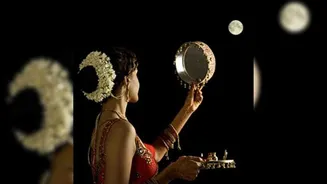
After a day of fasting and anticipation, the evening rituals bring the observance to a beautiful close. As the moon becomes visible, the final puja begins. In a widely recognized tradition, the woman first views the moon through a 'channi' (sieve) and then turns to look at her husband's face through the same sieve. She offers 'arghya' (a libation of water) to the moon to seek its blessings. Following these prayers, the husband offers his wife the first sip of water and the first morsel of food, breaking her day-long fast. This moment is a tender conclusion to the day, reaffirming the love and partnership at the core of the festival.