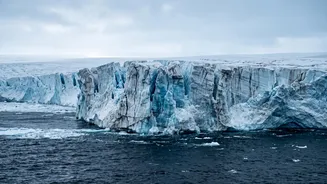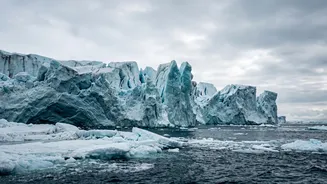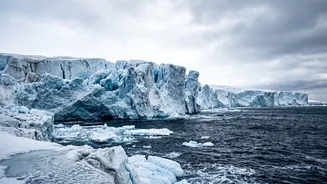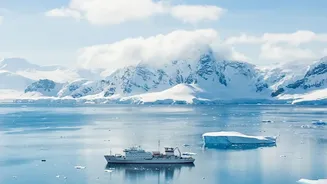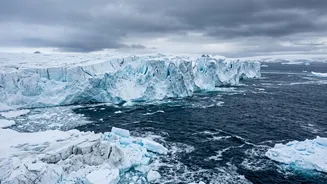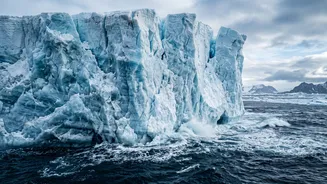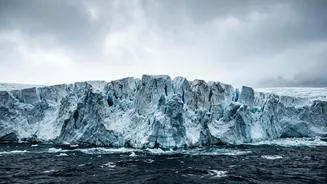






It’s ominously nicknamed the ‘Doomsday Glacier’ for a reason. Far away in West Antarctica, new research suggests the monumental Thwaites Glacier is melting faster than feared, posing a threat to coastlines around the globe, including our own.
The Alarming New Findings
A recent
study from the University of California, Irvine, and NASA's Jet Propulsion Laboratory has delivered a sobering new forecast. Using advanced computer models, scientists have found that Thwaites could contribute double the amount to sea-level rise by 2100 than previously projected. The new model predicts the glacier could add up to 30 millimetres to global sea levels this century, even without any further increase in global warming. This acceleration is due to a better understanding of how warm ocean water is getting underneath the glacier, melting it from below in a way that older models failed to capture.
Why They Call It 'Doomsday'
Thwaites has earned its menacing nickname because of its sheer size and its critical role as a natural dam. Roughly the size of Florida or Great Britain, the glacier is the widest in the world. On its own, its total collapse would raise global sea levels by over two feet (65 cm). But the greater danger is its position as a 'cork in a bottle'. Thwaites currently holds back the rest of the vast West Antarctic Ice Sheet. If it were to fail completely, it could unleash a cascade of melting that would ultimately lead to a catastrophic 10 feet of sea-level rise. The glacier is already responsible for about 4% of current annual sea-level rise.
Melting From Below
The key to the new, more dire predictions is a process happening out of sight, deep beneath the ice. Scientists have discovered that warm, salty ocean water is penetrating miles under the glacier's base. Older models treated the point where ice meets the sea as a simple line, but the reality is a much wider 'grounding zone' where seawater can attack the ice. This underwater melting is weakening the glacier's connection to the seafloor, particularly to underwater ridges that act as anchors, holding it in place. One critical anchor, the Mouginot Ridge, is currently stabilising the glacier, but the new study gives a 60% chance that the glacier will become detached from it before 2100, which would trigger an even more rapid retreat.
The View from India's Coast
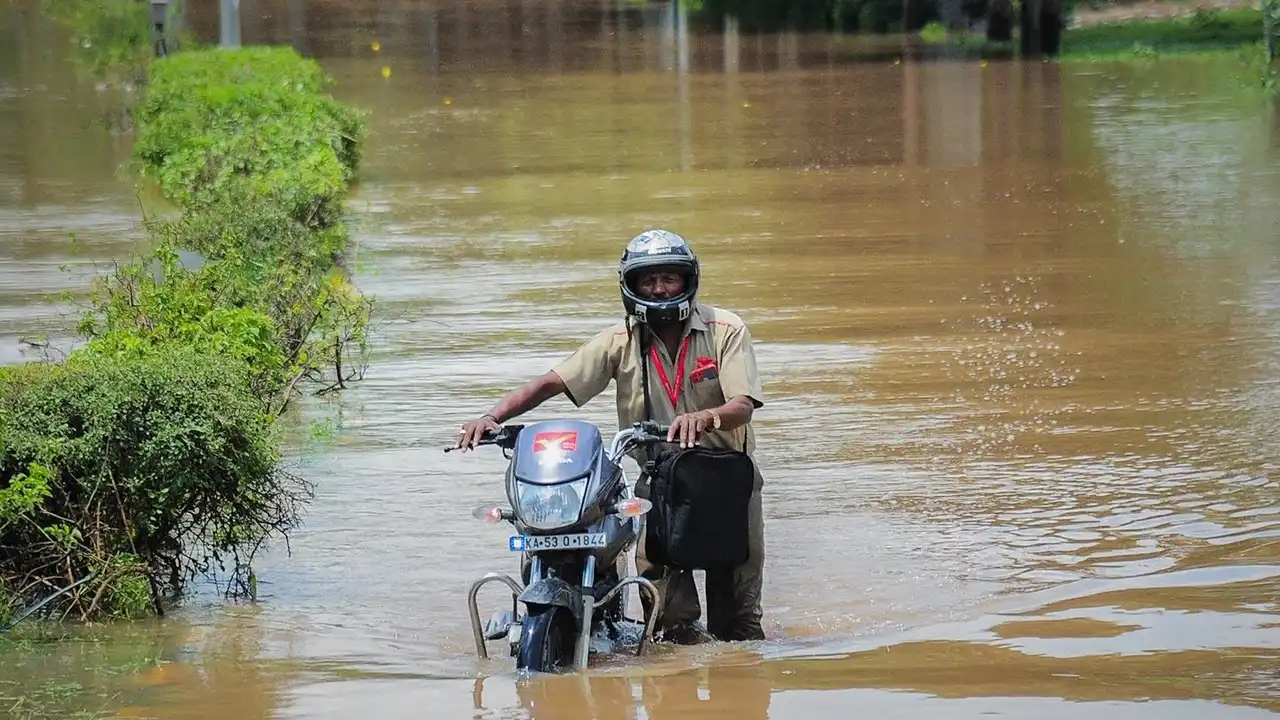
A melting glacier thousands of kilometres away can feel like a distant problem, but its consequences will be felt directly along India's 7,500-kilometre coastline. Rising sea levels pose a direct threat to several major Indian cities. Mumbai, the nation's financial capital, has low-lying areas like Colaba and Nariman Point that are extremely vulnerable. Kolkata, situated just a few metres above sea level, faces severe flooding risks. Chennai is also identified as being at high risk of submersion from rising waters. The impacts are not just about land loss; they include the contamination of drinking water sources with saltwater, damage to critical infrastructure like ports, and the potential displacement of millions of people living in these coastal hubs.
A Future Locked In?
Worryingly, some of this change may already be irreversible. One study found that even if ocean melting were to be stopped entirely, Thwaites would likely continue to lose ice for at least 150 years due to the instability that has already been triggered. However, this does not mean the future is completely sealed. While some level of retreat is locked in from past warming, future greenhouse gas emissions will determine the ultimate speed and scale of the collapse. The latest research underscores the urgency of understanding these complex polar processes and reinforces the need for global action to mitigate climate change. The fate of Thwaites is a stark reminder that changes in the planet's most remote regions will have profound impacts on communities everywhere.