


A Journey Back to the Roots
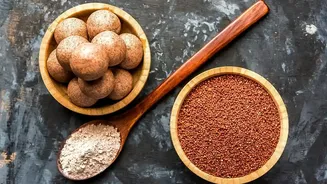
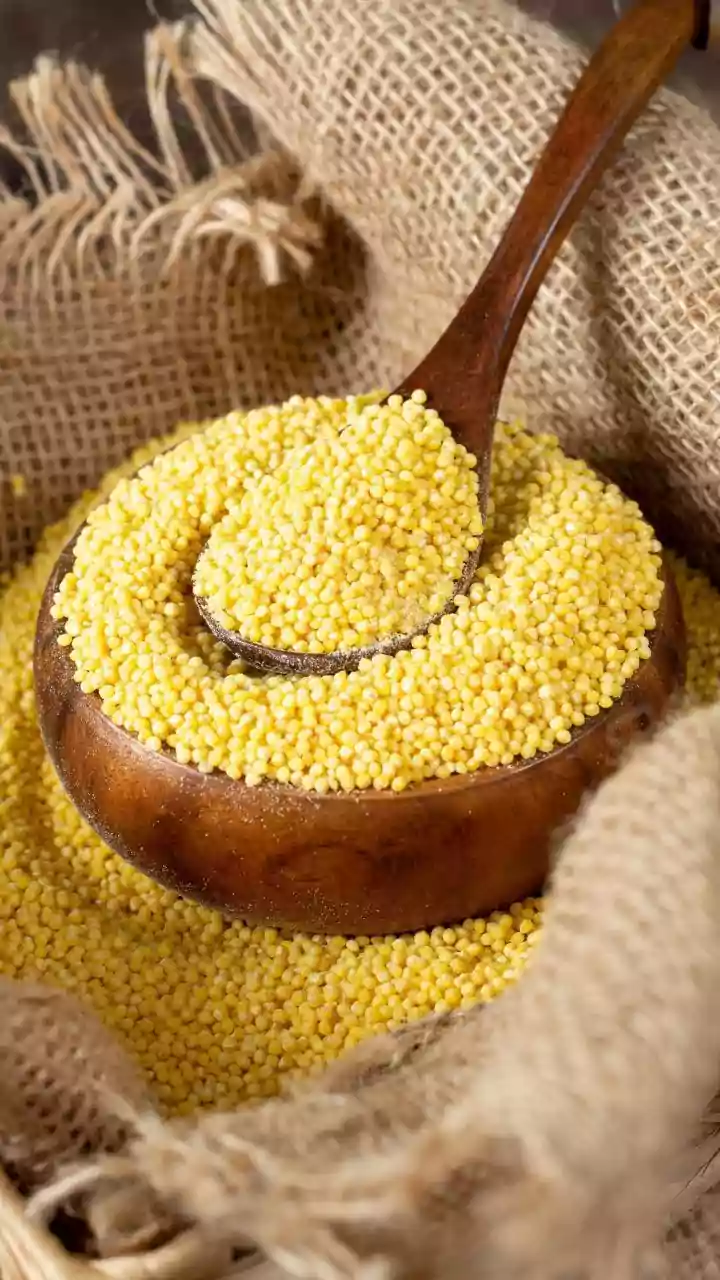
For generations, a diverse array of millets formed the backbone of the Indian diet. From ragi porridge in the south to bajra rotis in the west, these grains were staples long before the widespread adoption of polished rice and wheat. However, the Green
Revolution in the mid-20th century, which prioritized high-yield varieties of rice and wheat to ensure food security, inadvertently pushed millets to the margins. They were often labelled 'coarse grains' or 'poor man's food', gradually fading from urban kitchens and menus. Today, that perception is changing dramatically. A combination of health consciousness, environmental awareness, and a renewed pride in culinary heritage is fuelling their revival, bringing these nutrient-dense powerhouses back to the forefront.
The Nutritional Powerhouse Effect
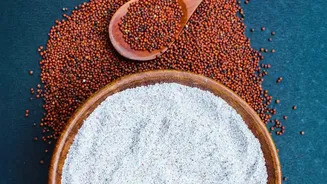
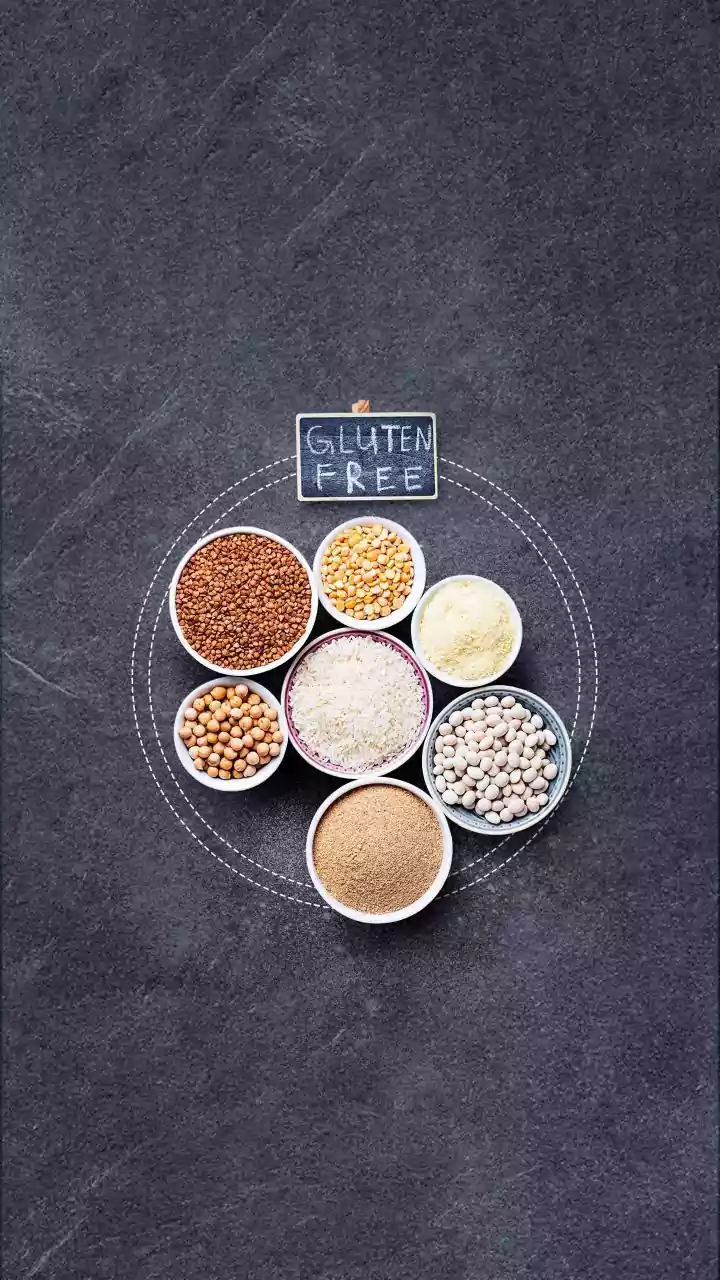
A primary driver for this resurgence is a collective shift towards healthier eating. Modern consumers are increasingly aware of the downsides of a diet dominated by refined grains and are actively seeking nutritious alternatives. Millets fit this need perfectly. They are naturally gluten-free, making them an excellent choice for those with gluten intolerance or celiac disease. Packed with dietary fibre, they aid digestion, promote a feeling of fullness to help with weight management, and support a healthy gut. Grains like ragi are an incredible source of calcium, while others like bajra are rich in iron and magnesium. Their low glycemic index also helps in managing blood sugar levels, making them beneficial for diabetics and those seeking sustained energy release without the crash.
Good for You, Better for the Planet
The appeal of millets extends far beyond the plate; they are 'climate-smart' crops. In an era of increasing water scarcity and unpredictable weather, millets offer a sustainable agricultural solution. They are hardy, drought-resistant crops that require significantly less water than rice and wheat—some estimates suggest up to 70% less. Millets can thrive in poor soil conditions with minimal need for chemical fertilizers and pesticides, which helps preserve soil health and reduces the environmental footprint of farming. This resilience makes them a reliable crop for farmers in arid and semi-arid regions, ensuring livelihoods and bolstering food security in the face of climate change.
From Traditional Kitchens to Fine Dining
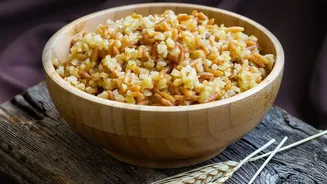
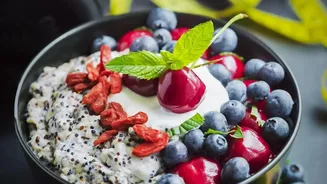
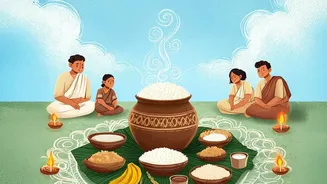
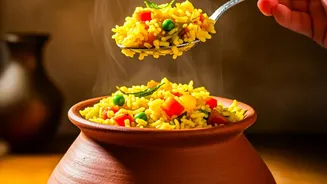
The return of forgotten grains is also a culinary story. Chefs across India are embracing these ingredients, moving them from the realm of simple, rustic fare to innovative gourmet dishes. You might find millet risotto, ragi pancakes, foxtail millet salads, or jowar tacos on the menus of trendy cafes and fine-dining restaurants. This culinary creativity has been pivotal in rebranding millets as versatile and aspirational ingredients. At home, cooks are rediscovering traditional recipes and experimenting with new ones, integrating millets into everything from breakfast porridges and dosas to baked goods and snacks, proving that these ancient grains are perfectly suited to the modern palate.
A Global Push with Local Roots
The millet movement has also received a significant boost from institutional support. India was a driving force behind the United Nations' declaration of 2023 as the 'International Year of Millets', a move designed to raise global awareness about their nutritional and environmental benefits. Domestically, government initiatives have focused on rebranding millets as 'Nutri-cereals' and promoting their inclusion in public distribution systems and mid-day meal schemes to combat malnutrition. This top-down push, combined with the grassroots consumer demand, has created a powerful synergy, increasing availability and making millets a staple once more.