







The Raid That Sparked Concern
The latest wave of concern began in early September 2026 when the Food Safety and Standards Authority of India (FSSAI) took decisive action against a major food producer, CG Foods India, at its facility in Ajmer, Rajasthan. Following an inspection, the regulator
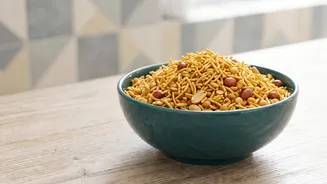
ordered the company to halt the production of its 'veg bhujia namkeen'. The FSSAI cited alarming violations, including what it called "unsafe processing". Officials alleged that noodles collected from the factory floor were being reprocessed into bhujia without proper heat treatment. The inspection also uncovered unlicensed manufacturing of certain bhujia variants and the use of predated packaging, leading to the seizure of over 32,000 kg of stock.
More Than Just One Incident
While the action in Ajmer was the immediate trigger, it is part of a much larger, nationwide food safety crackdown. In recent months, FSSAI and state-level regulators have intensified inspections of restaurants, food delivery warehouses, and manufacturers across the country. This heightened enforcement has affected prominent international chains and quick-commerce storage facilities, which have faced penalties and temporary shutdowns for hygiene lapses, pest infestations, and improper storage of ingredients. According to government data, roughly one in five food samples tested annually since 2020 has been found to be unsafe, substandard, or incorrectly labelled, highlighting the scale of the challenge regulators face in a country that consumes nearly 1.5 trillion meals a year.
A New Era of Warning Labels
The scrutiny extends beyond factory hygiene to the nutritional content of the snacks themselves. The FSSAI has proposed a significant change in how packaged foods are labelled. The new system would require a prominent, red hexagonal warning on the front of packages for products that are high in salt, added sugar, or saturated fat. The proposal has been met with debate from all sides. Food industry groups argue the proposed thresholds are too strict and could lead to nearly all traditional snacks being labelled with a warning, potentially harming a market worth over $100 billion. Conversely, some public health advocates argue the initial proposal is too lenient, as it would only apply to products high in at least two of the three flagged nutrients, allowing many unhealthy items to escape scrutiny.
The Uncomfortable Truth About Namkeen
These regulatory moves amplify long-standing health concerns associated with many mass-produced Indian snacks. The very qualities that make namkeen so addictive—its salty, fatty crunch—are also its biggest nutritional drawbacks. Most packaged bhujia and namkeen are high in sodium, which is linked to hypertension and an increased risk of heart disease. They are also typically deep-fried, often in palm oil, which is high in saturated fats that can raise bad cholesterol levels. While delicious, these snacks are often what experts call 'nutrient-poor and calorie-dense', offering little in the way of vitamins or fibre while contributing significantly to daily calorie intake.
What Should Consumers Do?
The increased scrutiny does not mean you need to banish bhujia from your pantry entirely. Instead, it serves as a crucial reminder for consumers to become more vigilant. The goal of regulatory action is not to eliminate traditional foods but to push the industry towards better hygiene, transparent practices, and healthier formulations. For shoppers, this is a good time to start paying closer attention to ingredient lists and nutrition labels. Look for products with lower sodium and saturated fat content. As awareness grows, more brands are also entering the market with baked, not fried, versions or those made with healthier oils and whole grains.