





Tomatoes: The Flavour Killer
There’s a scientific reason why refrigerated tomatoes taste so bland compared to their countertop cousins. The cold temperature permanently halts the enzymatic processes that create the complex, sweet, and tangy flavours we love. Chilling also damages
the fruit's cell walls, leading to that unpleasantly mealy and mushy texture. While refrigeration can slow down the ripening of an already-ripe tomato for a day or two, it’s a trade-off. For the best taste, store your tomatoes on the counter out of direct sunlight and enjoy them as they ripen naturally.
Potatoes: The Gritty Transformer
Keeping potatoes in the fridge is a common mistake with significant consequences for both texture and taste. The cold environment accelerates a process called 'cold-induced sweetening', where the potato's starches are converted into sugar. This results in a strangely sweet flavour and a gritty, sandy texture when cooked. Furthermore, these excess sugars can lead to faster browning and the formation of acrylamide, a chemical compound that authorities advise minimizing, when the potatoes are fried or roasted at high temperatures. The ideal storage is a cool, dark, and well-ventilated place like a pantry, away from onions.
Bread: Stale Before Its Time
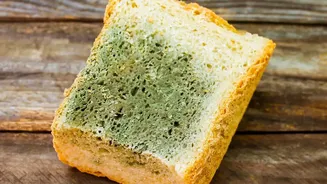
It seems counterintuitive, but storing bread in the refrigerator actually makes it go stale much faster. The culprit is a process called starch retrogradation, where the starch molecules in the bread crystallize and squeeze out water, making the loaf firm, dry, and tough. This process happens most rapidly at cool refrigerator temperatures. While commercial sandwich bread with added fats and emulsifiers might hold up slightly better, artisanal and homemade loaves suffer the most. For short-term storage, a breadbox or paper bag on the counter is best. For the long haul, wrap it tightly and put it in the freezer, which almost completely stops the staling process.
Onions and Garlic: The Spoilers
Whole onions and garlic bulbs thrive in cool, dark, and dry conditions with good air circulation. The refrigerator is the opposite of this; its humid environment encourages them to become soft, rubbery, and sprout prematurely. The lack of airflow can also lead to mould. Store them in a mesh bag or a basket in your pantry for a much longer shelf life. Once you cut into an onion or break a garlic clove, however, the rules change. At that point, the leftovers should be stored in a sealed container in the fridge to maintain their freshness.
Honey: The Crystal Trap
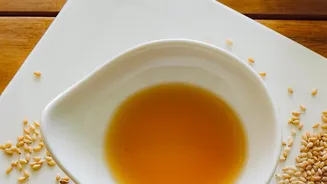
Honey is a natural preserver and will never truly spoil on your shelf. However, putting it in the refrigerator accelerates the process of crystallization. This is because the glucose sugars in honey are less stable in cold temperatures, causing them to separate from the water and form into hard, grainy crystals. While crystallized honey is still perfectly edible, it becomes a thick, nearly solid block that's difficult to use. If your honey does crystallize, you can gently warm the jar in a bowl of warm water to return it to its liquid state. Keeping it in your pantry at room temperature is the best way to maintain its smooth texture.
Coffee: The Flavour Sponge
Coffee, whether in bean or ground form, is highly porous and acts like a sponge for moisture and odours—two things your fridge has in abundance. The condensation that forms in a cold environment can degrade the fragile oils that give coffee its rich aroma and flavour. Furthermore, your morning brew could end up with unwelcome notes of last night's dinner. To protect its complex profile, coffee should be stored in an airtight, opaque container in a cool, dark cupboard, away from heat and light.