





A Continental Comeback
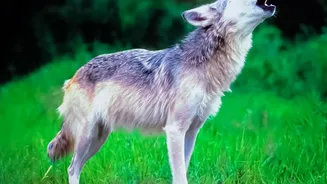
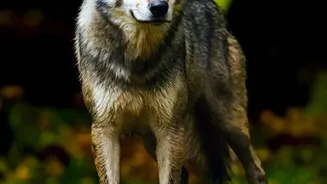
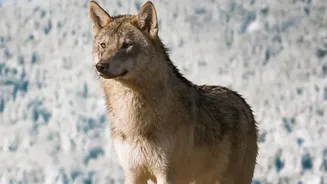
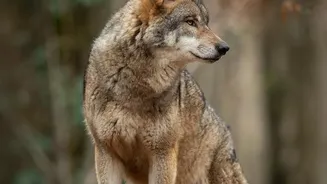
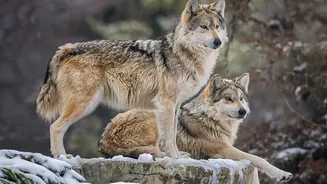
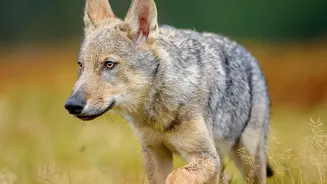
After centuries of being hunted to near extinction, wolf populations are making an astonishing recovery across Europe. Thanks to legal protections like the EU's Habitats Directive, expanding forests, and an increase in prey species like deer and wild
boar, wolves are thriving in places they haven't been seen for generations. Recent estimates suggest the continent is now home to over 21,500 wolves, a figure that has grown significantly in the last decade. Countries like Italy, Germany, Poland, and Spain each host populations of over a thousand individuals, showcasing the species' incredible adaptability to landscapes shared with humans.
From Fear to Fascination
This recovery is not just an ecological story; it's a cultural one. For centuries, the wolf was a symbol of fear, a villain in fairy tales and a threat to livestock. While that perception hasn't vanished entirely, a new appreciation is taking root. The return of this apex predator is now viewed by many as a sign of a healthier, wilder ecosystem. This shift in perspective has paved the way for a novel form of tourism, where the thrill is not in the hunt, but in the patient observation of a wild animal reclaiming its ancestral territory. It's a move from conflict to curiosity, and it’s creating economic opportunities in rural corners of the continent.
On the Trail of the Wolf
So, where can you go to experience this? A number of regions have become hotspots for wolf-watching tourism. In Spain, the Sierra de la Culebra and the Riaño Mountains offer some of the most reliable opportunities to see the Iberian wolf. In Italy, the Apennine Mountains, particularly within Abruzzo National Park, are a prime location where local guides lead visitors on tracking expeditions. Other destinations include the forests of Poland, the remote taiga of Finland, and even the Alps in France. These tours are far from a zoo experience; sightings are never guaranteed. The focus is on the chase itself: learning to read tracks, understanding wolf behaviour from expert guides, and spending hours scanning vast landscapes, often from a hidden viewpoint, hoping for a glimpse.
A Howl for the Local Economy
The rise of wolf tourism offers a tangible economic benefit to the communities living alongside these predators. This specialized ecotourism brings visitors—and their wallets—to often-overlooked rural areas. The money spent supports local guides, family-run hotels, and restaurants. In Spain's Sierra de la Culebra, for example, wolf-related tourism was estimated to bring in hundreds of thousands of euros annually even a decade ago. Some tour operators channel a portion of their profits directly back into conservation efforts, funding projects that aim to reduce conflict between wolves and local farmers. It's a model that attempts to place a direct economic value on the presence of wildlife, turning a potential source of conflict into a source of income.
Coexistence and Its Challenges
The story of the wolf's return isn't without tension. The main driver of conflict remains livestock depredation. For a sheep farmer, a wolf pack is not a tourist attraction but a direct threat to their livelihood. This reality fuels intense social and political debates about how wolf populations should be managed. Successful coexistence requires a multi-faceted approach, including government compensation for lost livestock and funding for protective measures like electric fences and livestock guarding dogs. The growth of tourism adds another layer, creating a financial incentive for conservation but also highlighting the deep divisions in how people view these animals. Balancing the needs of farmers, the goals of conservationists, and the interests of the tourism industry is the central challenge for Europe as it learns to live with its top predator once again.