


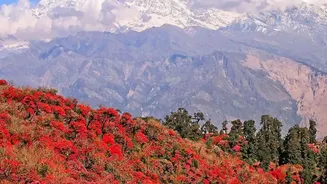
A Blooming Initiative at 10,600 Feet
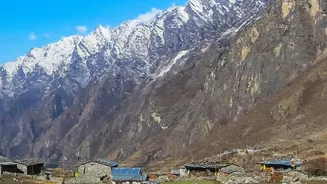
In a landmark achievement for Indian agriculture, Ladakh has successfully cultivated commercial liliums at an altitude of over 10,600 feet, creating what are described as the world's highest-altitude flower fields. This ambitious project, spearheaded
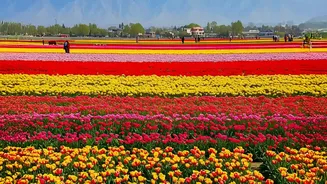
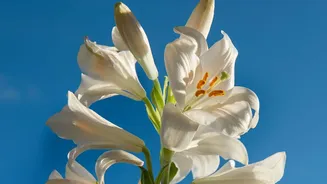
by the Ladakh administration with crucial scientific support, is turning the region's challenging climate into a unique agricultural advantage. In late September 2026, the first major air consignment of 15,000 A-grade lilium stems was flagged off from Leh's Kushok Bakula Rimpochee Airport, destined for major markets like Delhi, Mumbai, and Chandigarh. This shipment, featuring varieties in red, pink, white, yellow, and orange, marked a pivotal moment, connecting Ladakhi farmers to the national floriculture market for the first time on such a scale.
The Science of Cold Desert Floriculture
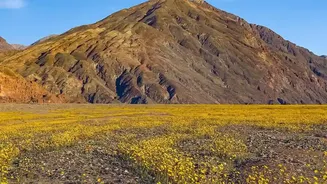
The success of this initiative hinges on turning Ladakh's perceived disadvantages into strengths. The project leverages the region's cold, dry climate and intense sunlight, conditions in which premium lilium bulbs thrive. The technical know-how is provided by the Council of Scientific and Industrial Research–Institute of Himalayan Bioresource Technology (CSIR-IHBT) in Palampur, which helped identify the ideal lilium varieties for the region. The cold temperatures, which can range from -4°C to 4°C, provide a natural chilling period for the bulbs, resulting in brighter colours and a longer vase life of up to 15 days. The twin flower fields at Choglamsar and Stakna, spanning roughly 40 acres, now house over 2.5 million flowers, predominantly liliums. A key benefit is that after three years, the bulbs begin to multiply naturally, promising increased yields without further investment.
From Soil to Market: An Economic Lifeline
For Ladakh, where the growing season is short and traditional farming faces numerous challenges like water scarcity and limited arable land, high-value floriculture represents a significant economic opportunity. Premium lilium stems can fetch between ₹150 and ₹200 each in retail markets, a substantial return for farmers. The project was designed with community empowerment at its core. Initially, the fields are managed by the Agriculture Department, but the plan is to hand over management to local Self-Help Groups (SHGs) and cooperatives. The first phase has already provided employment to local women, who are engaged in cutting, sorting, and packaging the flowers for a daily wage of around ₹900. This initiative not only diversifies agricultural income but also creates new avenues for entrepreneurship, especially for women and youth.
Challenges and the Road Ahead
Despite the initial success, the journey is not without its hurdles. Logistics remain a primary challenge in the remote, mountainous region. Ensuring the delicate flowers reach markets across the country in prime condition requires a robust and reliable supply chain, as demonstrated by the use of air freight for the first consignment. Furthermore, sustaining this momentum will depend on continued training for local farmers in scientific cultivation, post-harvest management, and market linkages. However, the vision for Ladakh's floriculture is expansive. Following the success in Leh, the administration plans to identify an additional 200 acres for high-value flower cultivation across other areas like Kargil, Drass, and Zanskar. The blooming fields are also expected to become a major tourist attraction, blending profitable agriculture with the region's growing eco-tourism sector.