





From Nurturing to Harmful
Most plant owners have been there: a favourite ficus or a cherished fern suddenly has yellowing, wilting leaves. The instinct is often to give it more water, assuming it's thirsty. However, these are classic signs of overwatering. When soil is constantly
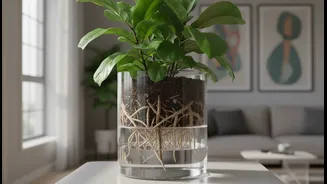
soggy, roots are deprived of oxygen, leading to root rot. This condition, caused by fungal pathogens that thrive in wet conditions, prevents the plant from absorbing nutrients and water, ironically causing it to wilt as if it were dry. The base of the plant might feel mushy, and the soil may emit a foul, musty odour, signalling that the roots are in distress. While a sad plant is a problem, the consequences of that excess water often don't stop at the pot.
The Silent Escape
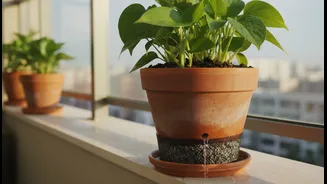
The problem escalates when the excess water escapes the plant's container. Even if you use a saucer, a single overflow or consistent moisture can be enough to start a damaging chain reaction. Water can seep under the saucer, saturating hardwood floors, carpets, or windowsills. Over time, this chronic dampness quietly infiltrates porous materials. Wood, drywall, and subflooring are particularly vulnerable. What begins as a small, unnoticed wet spot can spread, creating a persistent pocket of moisture that becomes a breeding ground for more serious issues. It’s not a dramatic flood but a slow, consistent attack on your home’s materials.
When Drips Become Damage
The long-term effects of this slow-motion leak can be severe and expensive. Wood flooring will absorb the moisture, causing it to swell, warp, cup, or buckle. You might notice discoloration, gaps appearing between floorboards, or a soft, spongy feeling underfoot. Walls aren't safe either. Moisture penetrating drywall leads to soft spots, bubbling or peeling paint, and tell-tale yellow or brown stains. Behind the wall, the situation can be even worse. Trapped moisture encourages the growth of mould and mildew, which not only deteriorates building materials but can also pose health risks by compromising indoor air quality. In extreme, long-term cases, chronic moisture can even weaken wooden structural components within the walls and floors.
Protecting Your Plants and Your Property
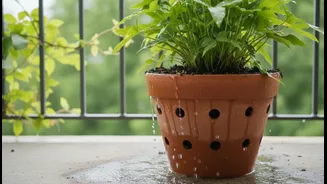
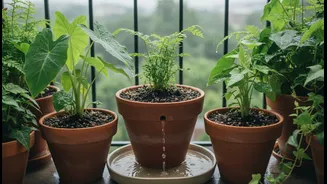
The good news is that preventing this problem is straightforward with mindful watering habits. The goal is to keep water in the pot and off your home's surfaces. Always use pots with drainage holes. This non-negotiable feature allows excess water to escape instead of pooling at the bottom and suffocating the roots. Place a deep, non-porous saucer under every pot, and make a habit of emptying it within an hour after watering. Never let a plant sit in a saucer full of water. For extra protection, consider placing a cork mat or a small plant stand between the saucer and the floor, especially on wood surfaces. Before you water, check if the plant actually needs it. The 'finger test' is a reliable method: if the top one to two inches of soil feel dry, it's time to water. When you do water, do so thoroughly until it runs out the bottom, then let it drain completely. This encourages deep, healthy root growth without waterlogging the soil.