






More Than Just Mud
Beyond visible dirt, your dog's paws come into contact with a host of unseen substances during every walk. Allergens like pollen, chemicals from pesticides or lawn treatments, and harsh road salts can all hitch a ride indoors. When dogs instinctively
lick their paws, they can ingest these harmful materials, potentially leading to digestive issues or allergic reactions. Regular cleaning also provides a vital opportunity to inspect their paw pads and the areas between their toes for cuts, thorns, ticks, or signs of irritation, catching small problems before they become serious.
The First Line of Defence: A Simple Rinse
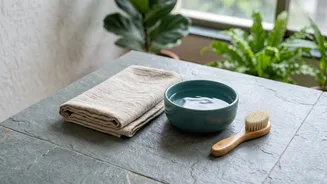
For daily walks that result in only light dirt or dust, a simple water rinse is often all you need. You can use a spray bottle, a gentle handheld sprayer, or simply a bowl of lukewarm water and a soft cloth. Gently wipe each paw, making sure to clean between the pads where debris likes to hide. This no-frills method is cost-effective and perfect for dogs with sensitive skin who may not tolerate other products. The key is consistency; making this a part of your post-walk routine prevents the daily accumulation of grime.
Convenient Cleaning: Wipes and Sprays
For those seeking convenience, pet-specific grooming wipes are an excellent solution. Keep a pack by the door for a quick and easy cleanup that effectively removes surface dirt and allergens. It is important to choose wipes that are formulated for dogs, as human baby wipes often contain alcohol or fragrances that can irritate a dog's skin. Another option is a no-rinse foaming cleanser or spray, which can be massaged into the paws and then wiped away with a towel, offering a deeper clean without needing a full water-based wash.
For Serious Grime: Paw Washers and Baths
After a particularly muddy adventure, a more robust cleaning method is required. Paw washers, which are silicone-bristled cups, are highly effective. You add a small amount of water, insert your dog’s paw, and twist gently to let the soft bristles scrub away caked-on mud. For the most stubborn grime, or if your dog has stepped in something sticky or smelly, a targeted paw bath is best. Use a basin or your bathtub with lukewarm water and a small amount of dog-safe shampoo to thoroughly wash each foot, then rinse completely.
The Importance of a Thorough Dry
Drying your dog's paws is as critical as cleaning them. Moisture trapped between the paw pads creates a warm, damp environment that is a perfect breeding ground for yeast and bacteria, which can lead to infections and unpleasant odors. After any form of washing, use a clean, absorbent towel to gently pat each paw dry. Pay special attention to drying the spaces between their toes to ensure no moisture is left behind. This simple step is one of the most effective ways to prevent skin irritation and fungal issues.
Making It a Positive Routine
Some dogs are sensitive about having their paws touched. To make cleaning a stress-free experience, it's essential to build a positive association. Start slowly by simply touching your dog's paws and rewarding them with a high-value treat. Gradually introduce the towel or wipe, always following up with praise. Keep your sessions short and positive, and never force the interaction. By establishing a calm and predictable routine, your dog will learn to accept paw cleaning as a normal, and even rewarding, part of their day.