

A Once-in-a-Century Discovery
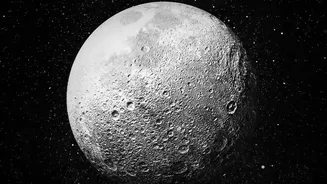
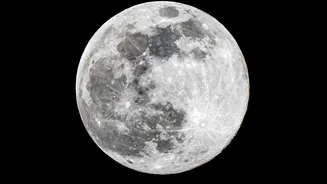
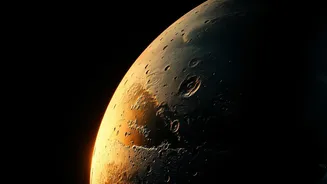
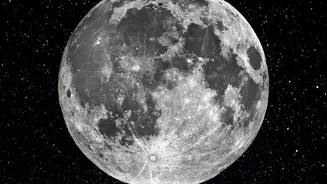
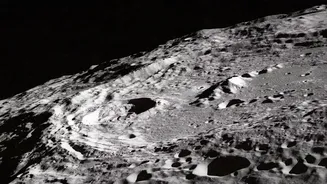
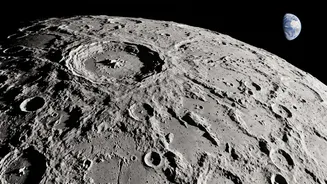
In what scientists are calling an exceptionally rare observation, a massive new crater has been identified on the lunar surface. Named McGetchin Crater, the feature measures an astounding 222 metres (728 feet) across and is approximately 43 metres (141
feet) deep. To put that in perspective, the crater is wider than the Roman Colosseum and deep enough to swallow a multi-story building. The impact that created it is estimated to be the kind of event that happens on the Moon only once every 100 to 132 years, making its discovery a major event for planetary science.
How a Routine Check Led to a Major Find
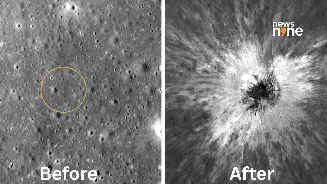
The discovery was almost an accident. The impact itself, which occurred sometime between April and May 2024, went completely undetected by telescopes on Earth and in space at the time. It wasn't until August 2025, during a routine data-quality check, that Robert Wagner, a scientist working with images from NASA's Lunar Reconnaissance Orbiter (LRO), noticed something unusual. While comparing 'before and after' images of the lunar surface, he spotted a large, bright spot surrounded by a dark halo that wasn't there before. “I just stopped, dropped everything, and started looking into what that spot was,” Wagner said in a statement. That spot turned out to be the largest newly formed crater ever identified by the LRO in its 17 years of service.
Anatomy of a Cosmic Collision
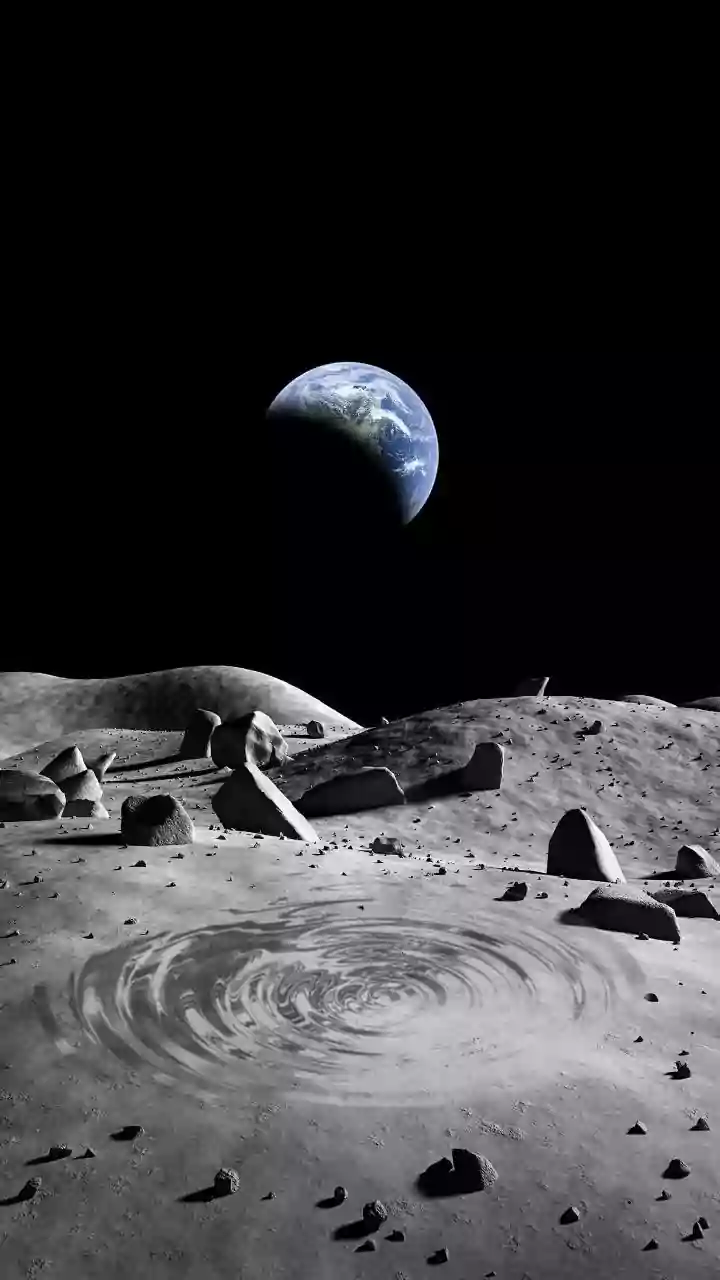
The object responsible for this colossal crater is believed to have been a fragment of an asteroid or comet, estimated to be the size of a three- to six-story building. Lacking an atmosphere to slow it down or burn it up, the object slammed into the Moon's eastern edge at immense speed, creating the huge crater and churning the lunar surface for more than 100 kilometres. The impact was so powerful it hurled dust and rock high into the lunar sky, creating a vast ejecta blanket. Interestingly, thermal instruments on the LRO detected a seven-kilometre-wide 'cold spot' around the crater. Scientists believe the impact decompacted, or 'fluffed up,' the top layer of lunar soil, known as regolith, making it less able to retain heat during the frigid lunar night.
More Than Just a Hole in the Ground
A fresh crater like McGetchin is a scientific treasure trove. Because the impact is so recent, the site is in a pristine condition, allowing scientists to study the immediate aftermath of a large collision without the degrading effects of time. It provides a unique window into crater formation, the physics of high-velocity impacts, and the composition of material hidden just beneath the lunar surface. This kind of event essentially does the work of a robotic lander, digging up fresh samples for scientists to analyze from orbit. This helps researchers better understand the makeup of the Moon and the history of impacts in our solar system.
Implications for Future Lunar Missions
Understanding the frequency and power of lunar impacts is not just an academic exercise. With NASA's Artemis program aiming to establish a sustained human presence on the Moon, and other nations like India and China advancing their own lunar ambitions, knowing the risks is crucial. Discoveries like McGetchin Crater underscore that the Moon is an active, dynamic environment, not a static, unchanging world. Studying how the impact disturbed the surface and sent debris flying helps engineers design safer habitats and plan for the potential hazards faced by future astronauts. The finding also revises our understanding of how quickly the lunar surface changes, suggesting that features like the Apollo astronauts' footprints will be erased by this constant 'gardening' from impacts much faster than previously thought.