





What is the 2°C Threshold?
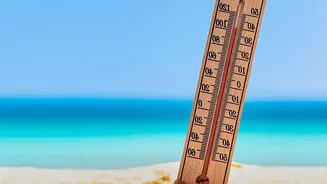
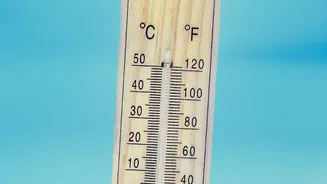
The 2°C target is a cornerstone of global climate policy, embedded in the 2015 Paris Agreement. It refers to limiting the increase in the planet's average temperature to well below 2°C compared to pre-industrial levels (the period between 1850-1900).
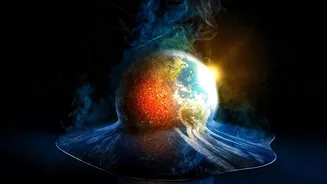
Scientists consider this threshold a critical guardrail. Beyond it, the risks of catastrophic and irreversible climate impacts—such as widespread ecosystem collapse and dangerous feedback loops—increase dramatically. The world has already warmed by about 1.2°C to 1.4°C. The goal of the Paris accord is to prevent long-term, sustained warming above this limit, but even a temporary overshoot is a cause for significant concern.
Temporary vs. Permanent: A Crucial Distinction
A temporary breach, where the global average temperature exceeds 2°C for a single day, month, or even a full year, is not the same as failing the Paris Agreement's long-term goal. The agreement refers to warming sustained over decades, typically a 20 or 30-year average. However, a short-term crossing is a profound warning. It signals that we are entering a new, more dangerous phase of climate change. The World Meteorological Organization (WMO) has reported that while a 2°C breach in a single year before 2030 is currently considered 'exceptionally unlikely' (less than 1% chance), it is 'very likely' (a 91% chance) that we will temporarily exceed the 1.5°C mark in at least one of the next five years. These temporary spikes act as a fire alarm, indicating that the baseline is rising and permanent breaches are becoming more probable.
Consequences of a Warmer World
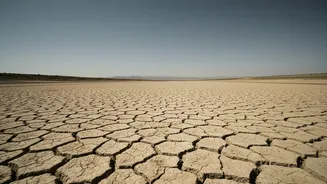
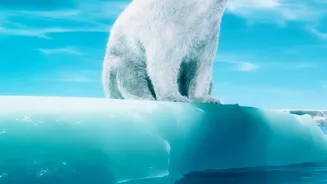
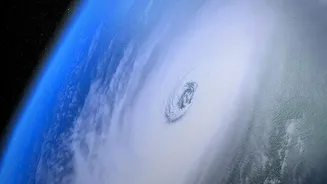
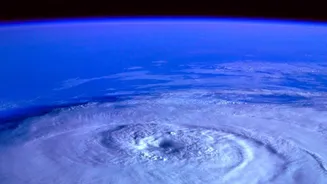
Even a temporary breach of 2°C would coincide with more frequent and intense extreme weather events. We are already witnessing this pattern with record-breaking heatwaves, devastating wildfires, and severe flooding across the globe. Warming of 2°C is projected to cause more severe droughts in key agricultural regions, intense rainfall over populated areas, and a higher risk of wildfires. One study warns that climate hazards usually associated with 3°C or 4°C of warming could occur at just 2°C. For ecosystems, the effects are dire. The Intergovernmental Panel on Climate Change (IPCC) has warned that a 2°C rise would significantly worsen coral bleaching, accelerate Arctic sea ice decline, and hasten sea-level rise compared to a 1.5°C scenario.
What This Means for India
For India, the stakes are exceptionally high. A warmer world threatens the country's water security, agricultural output, and the health of its massive population. With a 2°C rise, the delicate balance of the monsoon could be disrupted, leading to more erratic and extreme rainfall. Wheat production could decline by 4-5 million tonnes with just a 1°C temperature increase. Himalayan glaciers, a vital source for major rivers like the Ganges and Brahmaputra, are already retreating at an alarming rate, threatening the water supply for millions. Furthermore, rising sea levels pose an existential threat to India's densely populated coastline. The economic toll would be immense; research suggests that at 2°C warming, India's annual costs for climate adaptation could soar past $200 billion. The country is already highly exposed to climate hazards, and these risks will only intensify.
Is This an Unstoppable Trajectory?
While the trend is alarming, a temporary 2°C breach does not mean all is lost. Scientific consensus is that deep, rapid, and sustained cuts in greenhouse gas emissions can still alter our long-term trajectory. The WMO predicts that annual global temperatures between 2026 and 2030 will likely range between 1.3°C and 1.9°C above pre-industrial averages. This keeps the long-term 2°C goal within reach, but the window of opportunity is closing fast. A temporary overshoot underscores the urgency of accelerating the transition to renewable energy, improving energy efficiency, and investing in climate resilience. It serves as the clearest sign yet that incremental changes are no longer sufficient; transformative action is required from governments, industries, and individuals to steer the planet toward a more stable future.