





Why Barley Is a Breakfast Game-Changer
For centuries, barley has been a staple food across the globe, yet it is often overshadowed by more popular breakfast grains like oats and wheat. However, recent attention has focused on its unique properties that make it especially beneficial for metabolic
health. The main development lies in the growing body of research highlighting barley's effectiveness in managing blood glucose. Unlike many refined breakfast cereals that can cause sharp spikes in blood sugar, barley provides a slow, sustained release of energy. This makes it an excellent choice for individuals with diabetes, pre-diabetes, or anyone looking to avoid the energy slumps that follow a high-sugar morning meal. Its chewy texture and nutty flavour also make it a versatile and satisfying base for a hearty breakfast bowl.
The Science of Stable Blood Sugar
Barley's secret weapon is its high concentration of a specific type of soluble fibre called beta-glucan. When you eat barley, this fibre forms a thick, gel-like substance in your digestive tract. This gel works in two key ways to control blood sugar. First, it physically slows down the digestion and absorption of carbohydrates, which prevents glucose from flooding into the bloodstream too quickly. Second, this process improves the body's insulin sensitivity over time. Studies have shown that barley can significantly lower blood sugar and insulin levels after a meal, sometimes more effectively than other whole grains. Furthermore, barley has a very low glycemic index (GI), a measure of how quickly a food raises blood sugar. Hulled barley has a GI of around 25-30, which is among the lowest of all common grains.
Barley vs. Oats: A Breakfast Showdown
Oats are often praised for their health benefits, and they also contain blood-sugar-friendly beta-glucan fibre. However, when compared directly, barley often comes out ahead in terms of blood glucose control. Several studies have found that barley is more effective at reducing blood sugar and insulin spikes after a meal compared to oats. One study noted that barley reduced these levels by 59-65%, while oats achieved a reduction of 29-36%. This is largely because barley has a lower glycemic index and contains more total dietary fibre. While oats are a fantastic healthy option, barley provides an even greater advantage for those specifically focused on maintaining steady glucose levels throughout the day. It is important to note, however, that barley contains gluten and is not suitable for individuals with celiac disease.
How to Build the Perfect Barley Bowl
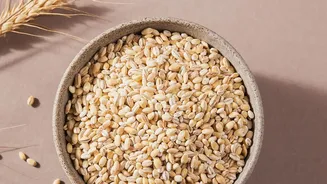
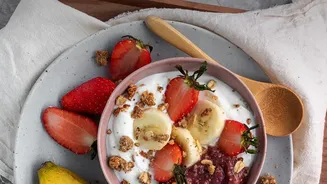
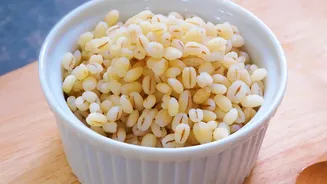
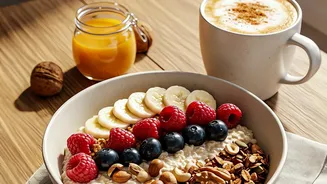
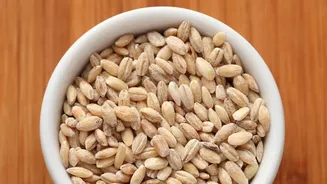
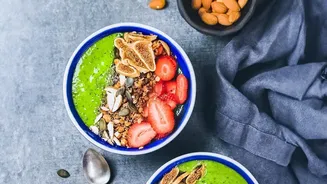
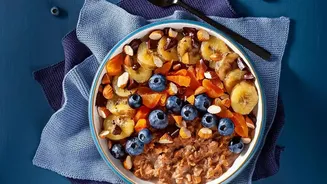
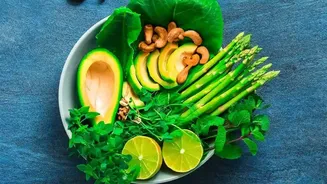
Creating a delicious and balanced barley breakfast bowl is simple. The key is to combine the slow-release carbohydrates from the barley with protein, healthy fats, and extra fibre. Start with a base of about one cup of cooked hulled or pearl barley. Hulled barley is the whole-grain version with more fibre, while pearl barley is more common and cooks faster. Next, add a source of protein to promote satiety, such as a scoop of Greek yogurt, a handful of nuts like almonds or walnuts, or seeds like chia and pumpkin seeds. For healthy fats and extra creaminess, add sliced avocado or a sprinkle of flaxseeds. Finally, top your bowl with low-glycemic fruits like berries for natural sweetness and an extra dose of antioxidants and vitamins. A dash of cinnamon can also add flavour and may help improve insulin sensitivity.
Tips for Easy Preparation
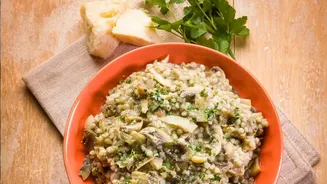
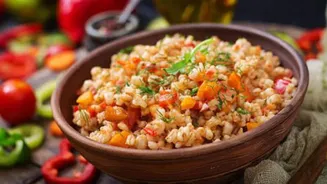
Barley takes longer to cook than oats, typically around 30-45 minutes on the stovetop. To save time on busy mornings, cook a large batch at the beginning of the week. Simply boil the barley until tender, drain it, and store it in an airtight container in the refrigerator for up to five days. When you're ready for breakfast, just scoop a portion into a bowl, add a splash of milk or water, and microwave it until warm. You can also try savoury breakfast bowls by pairing the barley with a soft-boiled egg, wilted greens, and a bit of feta or halloumi cheese for a different but equally nutritious start to your day. This meal-prep approach makes it easy to enjoy the benefits of barley without a long wait.