




A Spectacle of Grandeur and Emotion
When you think of Durga Puja in Hindi cinema, it’s hard not to picture a lavish Sanjay Leela Bhansali set. In 'Devdas' (2002), the festival became the stage for one of Bollywood's most iconic dance-offs, 'Dola Re Dola'. Featuring Aishwarya Rai and Madhuri
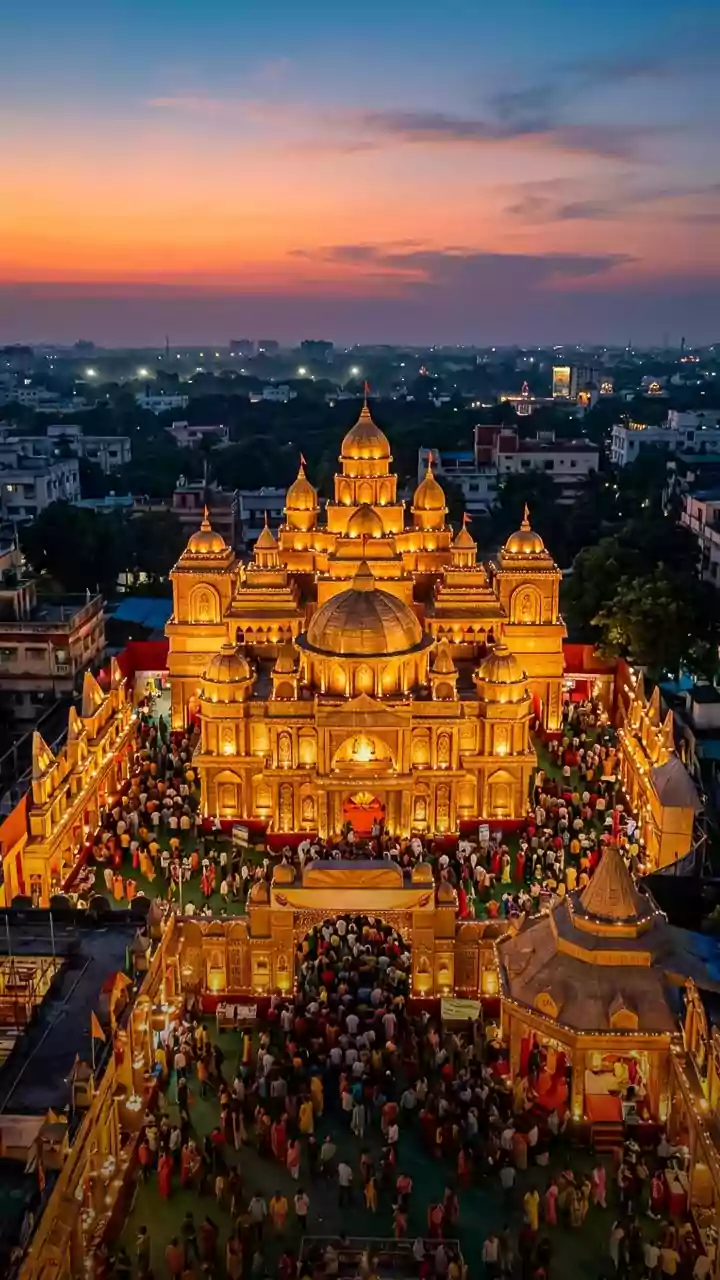
Dixit in matching traditional attire, the sequence was a masterclass in spectacle, cementing the image of Puja as a time of high emotion and opulent celebration. More recently, Karan Johar's 'Rocky Aur Rani Kii Prem Kahaani' (2023) used the festival for its showstopper song 'Dhindhora Baje Re', a vibrant display of cultural fusion where the grandeur of the pandal mirrors the film's larger-than-life family drama. These films use the inherent visual richness of Durga Puja—the massive idols, the energetic dancing, and the sea of devotees—to create unforgettable cinematic moments.
A Backdrop for Thrills and Narrative Twists
Beyond the song and dance, some of the most effective uses of Durga Puja have come in the thriller genre. Sujoy Ghosh’s 'Kahaani' (2012) is a prime example. The film is set in Kolkata as the city prepares for the festival, and the narrative tension builds with the mounting festive energy. The climax, which takes place on Vijayadashami amidst the chaos of Sindoor Khela and idol immersion, is a masterstroke of storytelling. The bustling crowds provide the perfect cover for Vidya Bagchi’s final, shocking act of retribution. Here, the festival is not just a setting; it is a character, its theme of the victory of good over evil echoing the protagonist’s own journey. The pandemonium of the celebration becomes a tool for suspense and, ultimately, catharsis.
Painting an Authentic Cultural Portrait
While grandeur has its place, other films have used Durga Puja to offer a more intimate and authentic slice of Bengali life. In Pradeep Sarkar’s 'Parineeta' (2005), set in 1960s Calcutta, the festival is woven into the fabric of the characters' lives. The film showcases subtle details, from the dhunuchi naach to the emotional undercurrents that surface during the celebrations, using the rituals to advance the central love story. Similarly, in 'Lootera' (2013), the festival setting in the 1950s helps establish the era and the declining zamindari culture, even featuring a traditional Jatra folk theatre performance. Films like 'Vicky Donor' (2012) and 'Piku' (2015) also use pandal-hopping scenes to gently introduce non-Bengali characters (and the audience) to the community's cultural heart.
From Setting to Storytelling Device
The evolution of Durga Puja in Bollywood reflects a deeper engagement with regional culture. What might have once been a simple visual shorthand for 'Kolkata' has become a powerful narrative device. Filmmakers have recognised that the festival provides a unique confluence of public spectacle and private emotion. It's a time when simmering tensions can boil over, as seen in 'Gunday' (2014), where the celebrations become a backdrop for betrayal. It's also a time for connection and breaking down social barriers, as when Paro invites Chandramukhi to her family's puja in 'Devdas'. By moving beyond caricature, these films have managed to capture the essence of why Durga Puja is so central to Bengali identity and share that experience with the rest of the nation.