
The Body's Playground
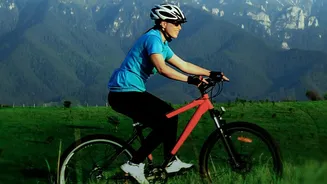
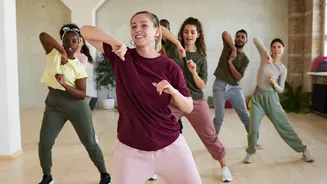
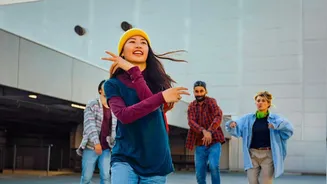
Formal exercise is often repetitive, targeting specific muscles in a controlled way. But the human body craves variety and spontaneity. Unstructured movement—like running, jumping, and dodging in a game of tag—improves stability, balance, and coordination
in ways a leg press machine cannot. This kind of play engages your entire body, forcing it to adapt and react to an ever-changing environment. It builds functional strength, the kind you use in daily life. Unlike structured workouts, free play isn't about hitting a certain number of reps; it's about exploring what your body can do. This natural form of physical activity enhances overall fitness, helps maintain a healthy weight, and improves cardiovascular health without feeling like a chore.
An Escape for the Mind
The mental benefits of playing in green spaces are just as significant. Spending time in nature has been shown to lower levels of cortisol, the body's stress hormone, and reduce feelings of anxiety and rumination. Exposure to a natural environment provides a break from the overstimulation of urban and digital life, allowing for mental restoration. When you're engaged in a spontaneous game, your mind enters a state of flow, fully absorbed in the present moment. This child-like play fosters creativity and imagination, skills that are valuable at any age. Studies have linked time in green spaces to improved concentration, better memory, and an overall boost in mood, thanks to the release of feel-good chemicals like serotonin and dopamine.
Building Connections, Simply
Open fields are natural community hubs. They are accessible spaces where people from different backgrounds and age groups can come together. Unstructured games often require communication, cooperation, and negotiation, helping to build social skills in a low-stakes environment. Think of a simple game of catch or a group effort to keep a kite in the air. These activities foster teamwork and connection without the intense pressure of organised sports. Playing together helps strengthen social bonds and reduces feelings of isolation, contributing to a greater sense of community well-being.
How to Reclaim Your Play
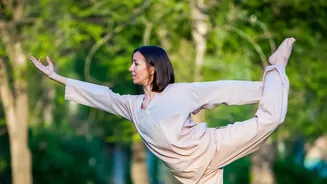
The beauty of this concept is its simplicity. You don’t need a plan or any gear to get started. Find a local park or a quiet patch of green. You can simply walk, run, or stretch. If you’re with others, classic games like tag, hide-and-seek, or Red Light, Green Light require nothing but willing participants. You could hunt for four-leaf clovers, make daisy chains, or simply lie back and watch the clouds. The goal is to move for the joy of moving, to let go of rules and expectations. Even short, frequent bouts of light activity can have a significant positive impact on your health, counteracting the effects of a sedentary lifestyle. The important thing is to give yourself permission to be spontaneous and rediscover the fun of moving freely.