








The Foundation: More Than Just Protein
While protein is essential for muscle repair and growth, it's only one part of the equation. For your body to effectively build muscle, it needs a balanced mix of all three macronutrients: protein, carbohydrates, and fats. Carbohydrates provide the energy
for intense workouts, preventing your body from breaking down muscle tissue for fuel. Healthy fats are crucial for producing hormones like testosterone, which play a key role in muscle growth. A common recommendation for muscle gain is a diet composed of roughly 30% protein, 45% carbohydrates, and 25% fat.
Prioritising Protein: Vegetarian Powerhouses
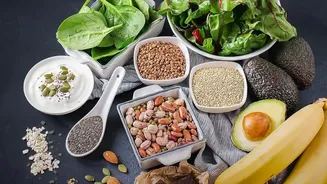
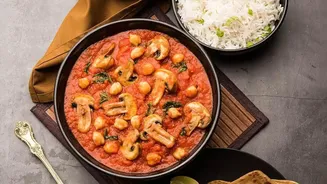
A vegetarian Indian diet is packed with high-quality protein sources. Lentils (dals) like moong, toor, and masoor are staples, offering up to 18 grams of protein per cooked cup. Chickpeas (chana) and kidney beans (rajma) are other excellent choices, perfect in curries and salads. Paneer (Indian cottage cheese) is a slow-digesting casein protein, ideal for muscle recovery, with about 18 grams of protein per 100g serving. Other valuable sources include tofu, Greek yogurt (dahi), and sprouted beans, which are easier to digest and nutrient-rich. Combining lentils with grains like rice or roti creates a complete protein profile, ensuring you get all essential amino acids.
Protein for Non-Vegetarians
For those who eat meat, Indian cuisine offers plenty of lean protein options. Chicken breast is a classic muscle-building food, providing a substantial 31 grams of protein per 100g. Eggs are another versatile and affordable powerhouse, with each egg containing about 6 grams of complete protein. Fish is also an excellent source of protein and healthy fats. These can be easily incorporated into curries, grills, or scrambles like egg bhurji, making your muscle-building meals both delicious and effective.
Fuel Your Workouts: The Right Carbohydrates
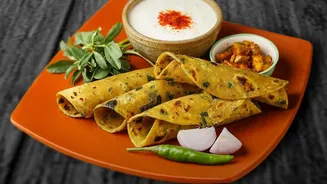
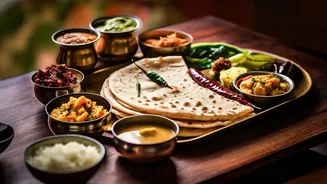
Carbohydrates are the primary fuel for your muscles during training. To sustain energy levels, focus on complex carbohydrates that release energy slowly. Instead of refined grains like white bread and pasta, opt for traditional Indian staples. Whole wheat rotis, brown rice, millets (like jowar and bajra), and oats are excellent choices. Sweet potatoes also provide sustained energy and are a great pre-workout option. Timing is also important; consuming carbs before your workout ensures you have enough fuel to train hard.
Putting It All Together: A Sample Meal Plan
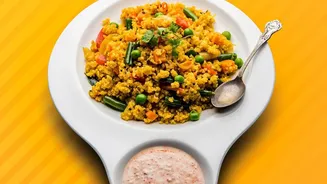
Structuring your meals helps ensure you meet your nutritional goals consistently. Aim to distribute your protein intake evenly throughout the day in 4-6 smaller meals. A pre-workout snack could be a banana with peanut butter or a bowl of poha. For a post-workout meal within two hours of training, focus on protein and carbs to aid recovery. Options include grilled paneer with brown rice or egg bhurji with roti. A typical day could look like this: oats with nuts for breakfast, dal and rice for lunch, a snack of roasted chana, and a dinner of chicken curry or palak tofu with rotis.