



The Protein Puzzle Explained
First, a quick refresher. Proteins are essential macronutrients made up of building blocks called amino acids. Our bodies need 20 different amino acids to function, nine of which are 'essential' because we can't make them ourselves—we must get them from
food. Animal-based foods like meat, eggs, and dairy are considered 'complete' proteins because they contain all nine of these essential amino acids in sufficient amounts. Most plant-based foods, on the other hand, are often low in one or more of these essential amino acids, which has historically earned them the label of 'incomplete' proteins.
The Myth of Meal-Time Combining
For years, a popular theory suggested that vegetarians needed to meticulously combine different plant proteins at every single meal to create a 'complete' protein. Think beans and rice on the same plate, at the same time, or risk missing out. Thankfully, nutritional science has moved on. Our bodies are smarter than that; they maintain a reserve pool of amino acids. This means you don't need to stress about perfect pairings in one sitting. As long as you eat a variety of plant-based protein sources throughout the day, your body can pull the amino acids it needs to build complete proteins on its own. This shifts the focus from a rigid nutritional chore to a more flexible and enjoyable approach to eating.
The Power of Classic Pairings
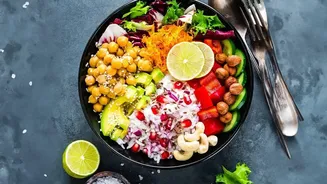
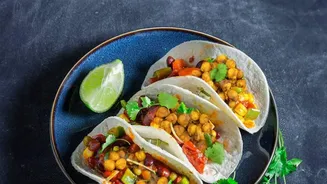
While you don't have to combine proteins at every meal, there's a reason why so many traditional cuisines do it naturally—it just works. Many Indian meals are perfect examples of this principle in action. A classic plate of dal and rice (lentils and grains) is a powerhouse of complementary proteins. The lentils are rich in the amino acid lysine, which grains tend to lack, while the rice provides methionine, which can be lower in lentils. The same logic applies to rajma with rice, or eating roti (a whole grain) with chana masala (chickpeas). These combinations weren't designed by nutritionists in a lab; they evolved because they are delicious, satisfying, and nutritionally sound.
More Than Just Protein
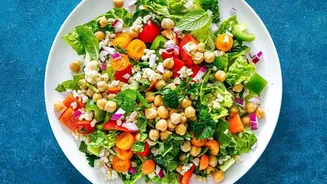
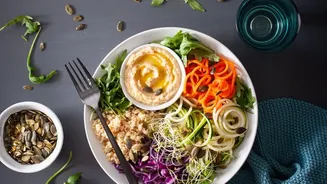
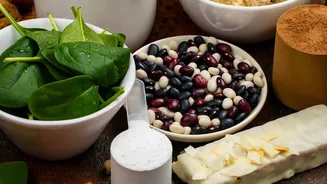
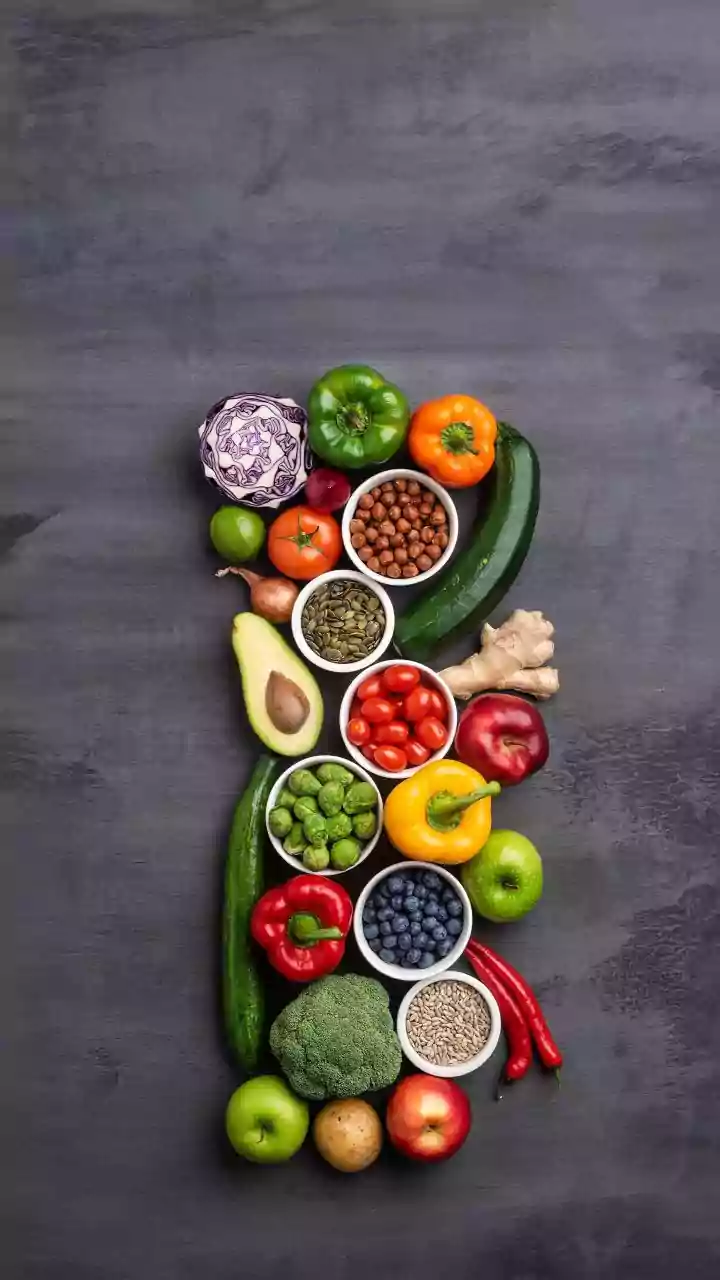
The real magic of combining different vegetarian proteins goes far beyond amino acids. It’s about creating meals that are more interesting and nutritionally diverse overall. When you mix different sources, you also get a wider array of vitamins, minerals, fibre, and healthy fats. Think about a simple bean salad. On its own, it’s great. But add a sprinkle of pumpkin seeds and some crumbled paneer, and you've not only added more protein but also different textures (crunchy and soft), flavours, and nutrients like zinc and calcium. Plant foods are also packed with antioxidants and phytonutrients that you won't find in animal products. This variety supports everything from heart health to good digestion.
Unlocking Culinary Creativity
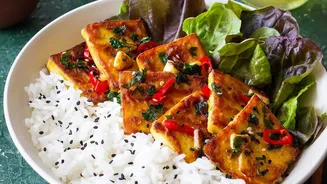
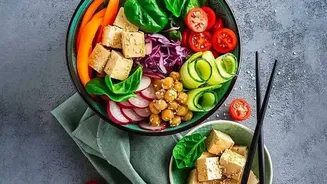
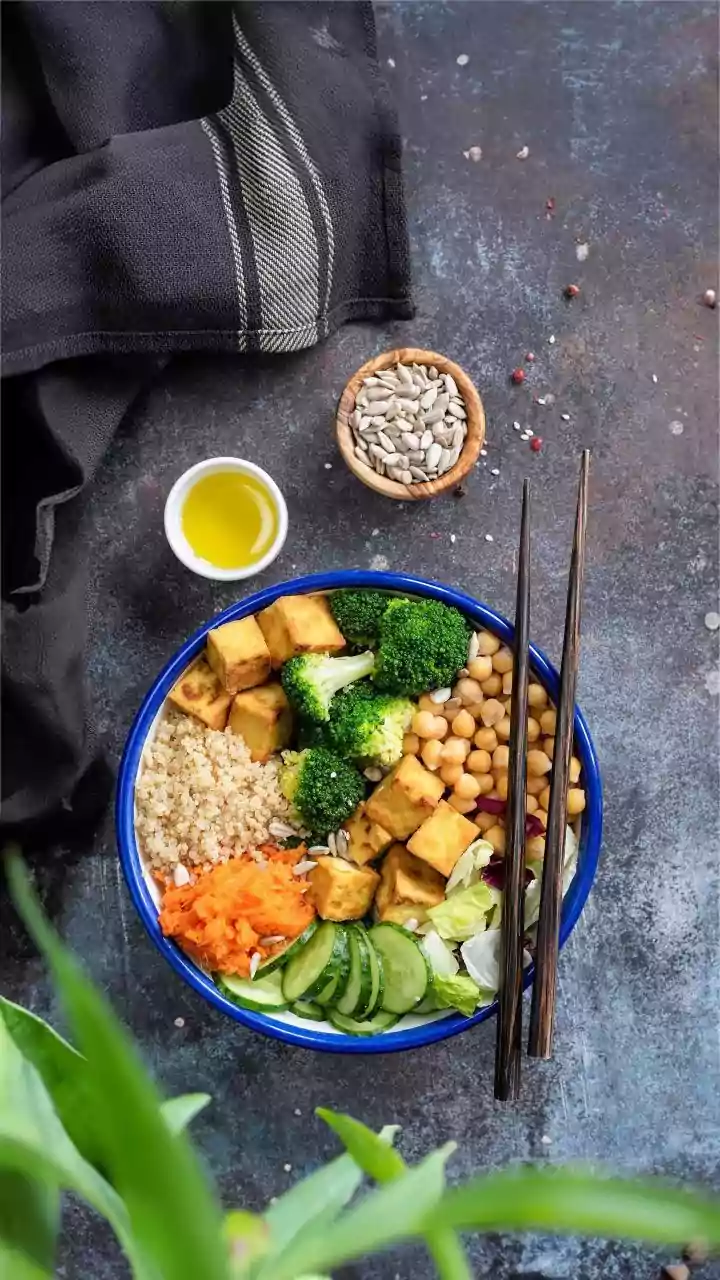
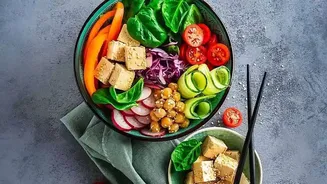
Focusing on protein variety is an invitation to get creative in the kitchen. It encourages you to move beyond the usual suspects and explore the vast world of vegetarian ingredients. Instead of just dal, maybe you try a quinoa pulao topped with almonds. Instead of plain paneer, perhaps a stir-fry with tofu and edamame. You could make oatmeal more robust with a swirl of peanut butter and a sprinkle of chia seeds. Combining proteins means creating meals with a symphony of textures and flavours—the creaminess of Greek yogurt with the bite of whole grains, the earthiness of lentils with the nuttiness of seeds. This approach transforms vegetarian cooking from a limitation into an exciting culinary adventure.