





A Journey Through Time on Horseback
Exploring Portugal by horse is to travel back to a slower, more deliberate era. It’s an opportunity to connect with the landscape in a way that a car journey simply cannot offer. The nation's history is etched into its rural roads, many of which follow
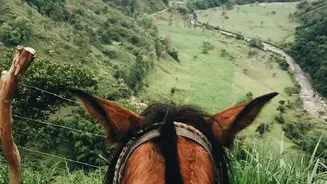
ancient Roman and medieval routes. Riding these paths offers a unique perspective, allowing travellers to experience the country's heritage not as a museum piece, but as a living, breathing environment. From the rugged mountains of the north to the sun-baked plains of the Alentejo, equestrian trails crisscross the country, linking sleepy villages, historic estates, and forgotten ruins. This mode of travel allows for an intimate connection with nature and history, far from the bustling tourist centres.
The Heart of the Alentejo
The Alentejo region, south of Lisbon, is often considered the heartland of Portuguese equestrian culture. It is a vast, sparsely populated area known for its rolling plains, ancient cork oak forests, and sprawling vineyards. Here, the pace of life slows, and the landscape opens up, offering endless tracks ideal for long, meditative rides. Trails meander through fields of wildflowers and past traditional whitewashed farmhouses, known as 'montes'. The terrain is often gentle, with soft, sandy tracks that are perfect for satisfying canters. Many riding holidays in the region are based out of beautifully restored country estates or 'quintas', offering a luxurious base from which to explore the surrounding countryside and enjoy authentic Portuguese cuisine and wine after a day in the saddle.
Riding Past Roman and Medieval Ruins
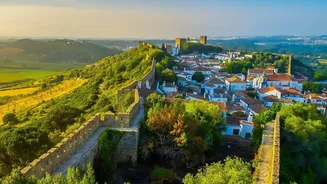
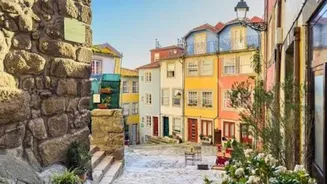
The promise of seeing 'old ruins' from horseback is a major draw for many visitors. Portugal's countryside is dotted with historical sites, from Neolithic dolmens to Roman settlements and imposing medieval castles. In the Alto Alentejo, riders can follow ancient trails that lead to Roman ruins like Ammaia or the fortified hilltop village of Marvão, which dates back to the 13th century. Further north, in the Peneda-Gerês National Park, trails follow old Roman roads marked by 2,000-year-old milestones and pass by the ruins of ancient castles that once served as watch-posts against invasions from Spain. Clattering over 17th-century cobblestone roads in a medieval town like Arcos de Valdevez offers a powerful connection to the past, experiencing the architecture and history from a historically accurate vantage point.
Meet Your Noble Steed: The Lusitano
No discussion of horse riding in Portugal is complete without mentioning the Lusitano horse. This noble and ancient breed is a symbol of national pride, celebrated for its intelligence, courage, and gentle temperament. Descended from the ancient Iberian war horses, Lusitanos are baroque in build—powerful, elegant, and agile, with a high-stepping gait that is remarkably smooth and comfortable for the rider. They are sure-footed and calm, making them ideal trail partners for exploring varied terrain, from rocky mountain paths to sandy beaches. Many outfitters specialise in providing well-schooled Lusitanos, giving riders of different experience levels the chance to connect with this remarkable breed and appreciate its willing nature.
From Coastal Canters to Mountain Paths
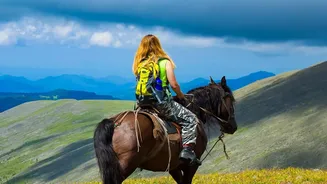
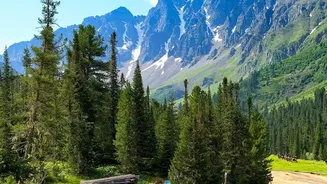
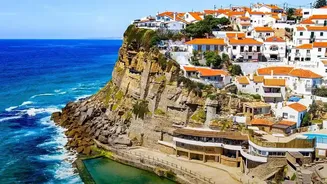
While the Alentejo is famous for its open plains, Portugal's diverse geography offers a wide range of riding experiences. Along the country's western Alentejo coast, known as the Costa Azul, trails wind through pine forests and over sand dunes to deserted white-sand beaches, offering the exhilarating experience of a canter or gallop along the Atlantic shore. In the mountainous north, the Peneda-Gerês National Park offers a wilder adventure. Here, riders can explore rugged landscapes, follow ancient 'death trails' used to transport villagers, and even spot herds of rare, wild Garrano horses. These trails traverse dense forests, river valleys, and granite plateaus, showcasing a completely different side of Portugal's natural beauty.