







The New Wave of Road Warriors
They come from cities like Lucknow, Indore, Jaipur, and Kochi. Armed with growing disposable incomes, better cars, and a hunger for unique experiences, travellers from India's Tier-2 cities are hitting the road like never before. Reports from travel companies
confirm this shift, noting that while metro cities still account for high volumes, the fastest growth in domestic travel is now coming from these smaller urban centres. This isn't just about more people travelling; it's about a different kind of travel. This new cohort, often younger and digitally savvy, is less interested in ticking off mainstream tourist hotspots. Instead, they seek authenticity, adventure, and the picture-perfect, crowd-free frames that look great on social media. This desire is fuelling a boom in self-drive rentals and weekend getaways to destinations that were previously considered off the beaten path.
Highways, Homestays, and Hashtags
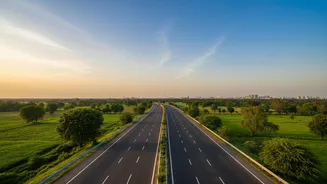
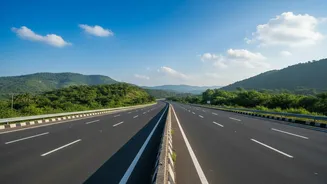
Several factors are powering this trend. The most significant is India's rapidly expanding and improving road infrastructure. The development of world-class expressways and the upgrading of national highways have drastically cut travel times and made driving a more pleasant experience. Routes that once took a gruelling day can now be covered in a few hours, making short, spontaneous trips more feasible. Recent data shows that corridors like Ahmedabad-Vadodara, Kanpur-Lucknow, and Thrissur-Kochi are among the fastest-growing for intercity road travel. Simultaneously, the rise of online travel agencies and platforms like Airbnb has made discovering and booking homestays and boutique properties in remote areas incredibly easy. This allows travellers to bypass conventional tourist hubs and immerse themselves in local culture. Finally, the power of social media cannot be understated. The quest for unique content drives explorers to find and share undiscovered gems, from a hidden waterfall in the Western Ghats to a serene riverside town in Madhya Pradesh, inspiring their peers to follow suit.
Charting the Uncharted
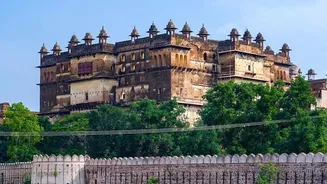
So, where are these new explorers headed? Instead of the congested routes to Shimla, they might take the scenic drive from Guwahati to Tawang in Arunachal Pradesh. Rather than battling the crowds in Goa, they are discovering the tranquil beaches and coastal villages of the Konkan coast near Gokarna or the quiet shores of Karnataka. In Rajasthan, the journey is extending beyond the Golden Triangle to heritage towns like Bundi, Shekhawati, and the majestic fort at Kumbhalgarh. In Central India, destinations like Orchha and Mandu are gaining popularity for their serene beauty and rich history. Even around major cities, the focus is shifting. Travellers from Bengaluru are exploring routes to Dharmapuri and Mandya, while those from Pune are heading to Ahmednagar and Satara for weekend escapes. These trips are often shorter, more frequent, and focused on experiences like local cuisine, trekking, or simply unwinding in nature.
The Economic Ripple Effect
This shift in travel patterns is creating a significant economic impact far from the traditional tourist trail. Small towns and villages are seeing a welcome influx of revenue. This micro-tourism fosters a more sustainable model, where the benefits are distributed directly among local communities. Homestay owners, local guides, café operators, and artisans in places like Majuli Island in Assam or the valleys of Nagaland are finding new livelihoods. As these destinations gain popularity, it encourages the development of better local infrastructure and services, creating a virtuous cycle of growth. This trend is not just changing where Indians travel, but how they connect with their own country, fostering a deeper appreciation for regional diversity and culture.