







A New Look at 'More Is Better'
A major review published in a Cell Press journal in mid-2026 has sent a significant ripple through the nutrition world. After analyzing over 350 studies, researchers concluded that for the majority of sedentary adults, eating less protein—not more—may
lead to healthier aging and a longer life. This directly challenges the prevailing narrative that a high-protein diet is a universal key to health. The review suggests that while active individuals certainly benefit from protein for muscle repair and growth, many others consume more than they need, which could have negative health consequences. This doesn't mean protein is the enemy, but it does suggest our obsession with maximizing it might be misplaced.
It's Not Just How Much, but What Kind
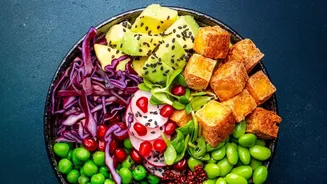
The conversation is increasingly moving toward protein quality and source. The debate between animal and plant protein is complex, but the evidence leans toward a more plant-forward approach for long-term health. A large Harvard study found that replacing animal protein with plant-based sources was associated with a lower risk of premature death. In fact, swapping just 3% of calories from animal protein for plant protein was linked to a 10% lower overall mortality rate. While some research from 2023 noted that animal proteins provide more bioavailable essential amino acids per serving, a 2025 review found no significant difference in muscle strength between those consuming plant versus animal protein. The takeaway is that the 'package' protein comes in—including fiber and phytonutrients from plants or saturated fat from some animal sources—matters immensely for overall health.
Rethinking the Protein Guidelines
Recent updates to dietary guidelines have created some confusion. In early 2026, new recommendations suggested adults consume 1.2 to 1.6 grams of protein per kilogram of body weight, a significant increase from the long-standing 0.8 g/kg. However, many nutrition experts caution this doesn't mean everyone needs to double their intake. One Stanford nutrition expert noted that the science itself hasn't changed, but the recommendations have shifted from preventing deficiency to optimizing health. The average American man already consumes around 100 grams per day, which falls within these new higher guidelines. The consensus is that while higher protein can be useful for preserving muscle mass during weight loss, the source of that protein and the overall dietary pattern are what truly drive health outcomes.
The Whole Diet Is the Real Hero
Ultimately, the latest science pulls us back from fixating on a single nutrient. A high-protein diet's effects are often small and must be weighed against potential downsides. The real key to health isn't found in a protein shake, but in a balanced and varied dietary pattern. Studies show that people who increase their protein intake often make other healthy choices, like eating more green vegetables and fewer refined grains. This suggests the benefits attributed to protein may partly come from the overall improvement in diet quality. Focusing on whole foods—fruits, vegetables, legumes, and lean protein sources—creates a synergy that no single macronutrient can replicate. The goal should be to build a healthy plate where protein is an important player, but not the only star on the team.