




What Exactly is 'Analogue Paneer'?
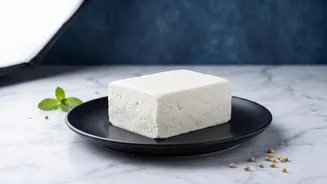
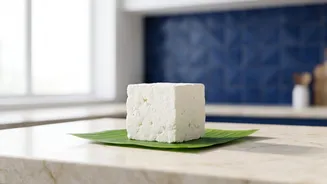
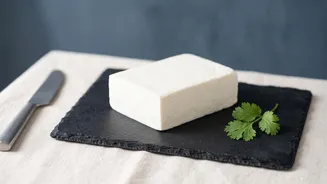
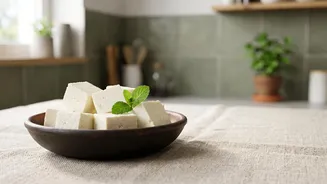
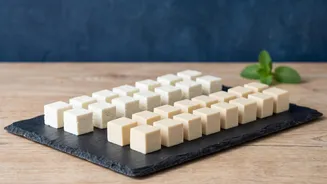
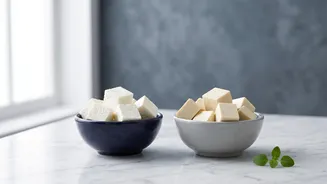
Analogue paneer is a product designed to look, feel, and cook like traditional dairy paneer, but it isn't made from milk. Instead of using milk fat and milk protein, its core components are substituted with non-dairy ingredients. Typically, these include
vegetable fats (like palm oil), starches, plant proteins, and skimmed milk powder, all bound together with emulsifiers and stabilisers. The Food Safety and Standards Authority of India (FSSAI) defines a 'dairy analogue' as any product where milk constituents are partly or wholly replaced. It’s important to note that an analogue product is not automatically unsafe or illegal, but the regulatory issue arises when it is misrepresented and sold to consumers as the real thing.
The FSSAI's New Labelling Mandate
To end this confusion, the FSSAI has proposed new regulations. A draft amendment, published in September 2026, aims to restrict the manufacture and sale of these analogue products under the name 'paneer'. If the rule is finalized, any product already licensed in the 'Analogue in Dairy Context' category will be required to stop using the word 'paneer' on its packaging, labelling, and marketing materials. This means brands and restaurants will have to find a different name for their non-dairy alternatives. The move is a direct attempt to align the product's name with its actual composition, ensuring what you read on the label is what you get.
Why is This Distinction So Important?
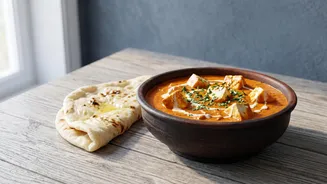
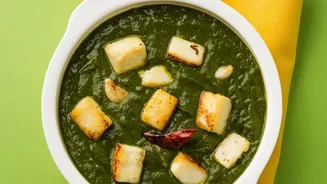
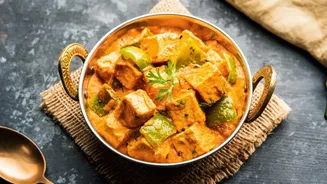
There are three key reasons behind the FSSAI's push for clearer labelling. The primary goal is consumer protection. Many shoppers buy paneer assuming it is a natural dairy product, and the rise of lookalikes can be misleading. This is especially true at restaurants, where a 'paneer tikka' might be made with a cheaper analogue without the customer's knowledge. Secondly, there are significant nutritional differences. For many Indians, especially vegetarians, paneer is a crucial source of protein. Analogue versions are often lower in protein and higher in processed fats and carbohydrates, with a different overall nutritional profile that consumers may not be aware of. Finally, the move also protects the interests of the dairy industry by ensuring that dairy terminology is reserved for products genuinely made from milk.
Real Paneer vs. Analogue: A Nutritional Snapshot
The differences on the nutrition label are stark. Traditional paneer made from milk is rich in protein, with a 100g serving typically containing 18-20g. In contrast, analogue paneer can have as little as 5-10g of protein for the same amount. The fat content also differs. While real paneer contains natural milk fat, its non-dairy counterparts are made with vegetable oils and can have high levels of saturated or even trans fats. Real paneer is also a good source of natural calcium. Its analogue might be fortified, but often contains negligible natural calcium. For consumers relying on paneer for its health benefits, particularly its high protein content, this distinction is critical.
What This Means For Your Next Grocery Run
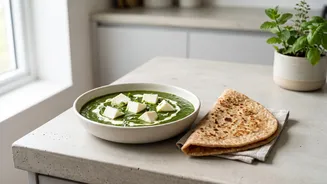
The FSSAI's proposed rule, which is currently open for public feedback, follows similar actions already taken by several states, including Maharashtra, Gujarat, and Karnataka, which have restricted or banned analogue paneer. For you, the consumer, this national push means more transparency. Food businesses, from manufacturers to restaurants, will have to be upfront about the ingredients they use. When you order a paneer dish, you can be more confident that it’s made from milk. At the supermarket, you will see clearer labels that help you distinguish between traditional dairy paneer and its plant-based or oil-based alternatives, allowing you to choose the product that best fits your dietary needs, budget, and preferences.