






Why the Monsoon is a Microbial Playground
The rainy season, with its high humidity and moisture, creates the perfect breeding ground for bacteria, viruses, and fungi. Microbes like E. coli, Salmonella, and Listeria multiply rapidly in these warm, damp conditions. This moisture doesn't just stay
in the air; it makes its way into our food supply. Heavy rains can lead to waterlogging and flooding, which contaminates soil and water sources with sewage and other pollutants. This contaminated water is often used to grow and wash vegetables, creating a direct path for pathogens to reach your kitchen. As a result, the risk of foodborne and waterborne illnesses like typhoid, cholera, and gastroenteritis spikes significantly during these months. Food simply spoils faster, and even items that look and smell perfectly normal can harbour enough bacteria to make you sick.
The Hidden Dangers in Raw Garnishes
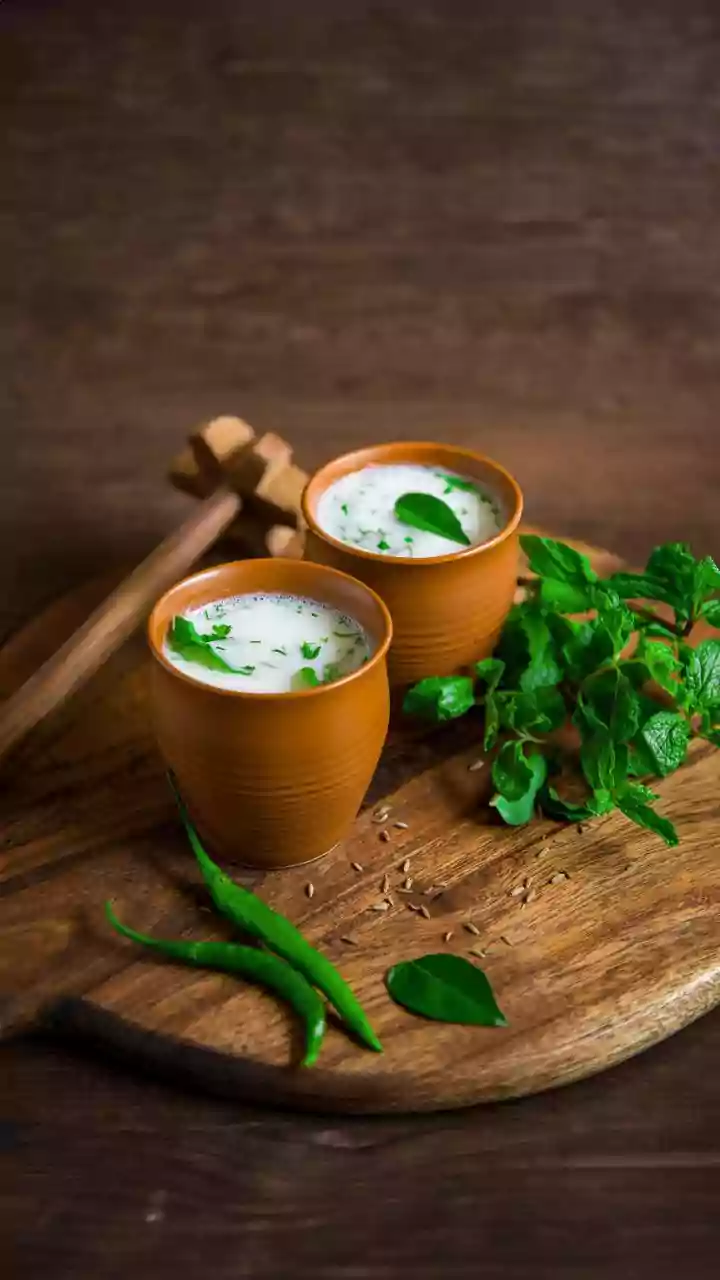
That fresh, crunchy garnish is often the most vulnerable part of your meal. Raw vegetables and herbs, especially leafy ones, are the primary culprits. Items like coriander, mint, spinach, and cabbage have many folds and crevices where dirt, microbes, and even tiny insect larvae can hide. Because they are grown close to the ground, they are easily contaminated by dirty soil and water splashes from the rain. Unlike cooked components of a meal where heat kills most harmful germs, raw garnishes carry these contaminants directly to your plate. Even a seemingly innocent lemon wedge can be risky if it wasn't washed properly before being cut. Street food is particularly notorious, where raw chutneys, and garnishes like chopped onions or coriander are often prepared with unfiltered water and left exposed for hours.
Smart Washing is Your First Line of Defence
This doesn’t mean you have to give up on fresh produce entirely. You just need to be more diligent about cleaning it. A quick rinse under the tap is not enough during the monsoon. Health experts recommend a more thorough process. Start by washing all vegetables and herbs under clean, running water to remove visible dirt. For leafy greens, it's best to soak them for about 10-15 minutes in a bowl of water with a bit of salt or vinegar. This helps to draw out and kill pathogens hiding in the crevices. After soaking, rinse them again thoroughly with potable water. For vegetables with thicker skins, like cucumbers or tomatoes, using a vegetable brush can help scrub away surface contaminants. Always ensure the water you use for washing is either filtered or boiled, as contaminated tap water is a major source of illness.
Safer Swaps and Cooking Alternatives
The safest way to eliminate risk is to cook your garnishes. Lightly sautéing herbs like coriander or mint just before adding them to a dish can preserve much of their flavour while killing harmful bacteria. Steaming vegetables is another excellent option that makes them safe to eat without turning them mushy. If you absolutely must have a raw salad, it's crucial to prepare it at home using produce you have cleaned meticulously yourself. When dining out, it is always safer to opt for fully cooked meals and avoid raw salads, sprouts, or any dish with uncooked garnishes. You can also explore flavourful alternatives that don't carry the same risk. Consider using roasted nuts and seeds, dried herbs like kasuri methi, or a dollop of fresh, homemade curd (stored properly in the fridge) to add that finishing touch of texture and taste.