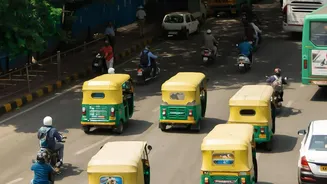

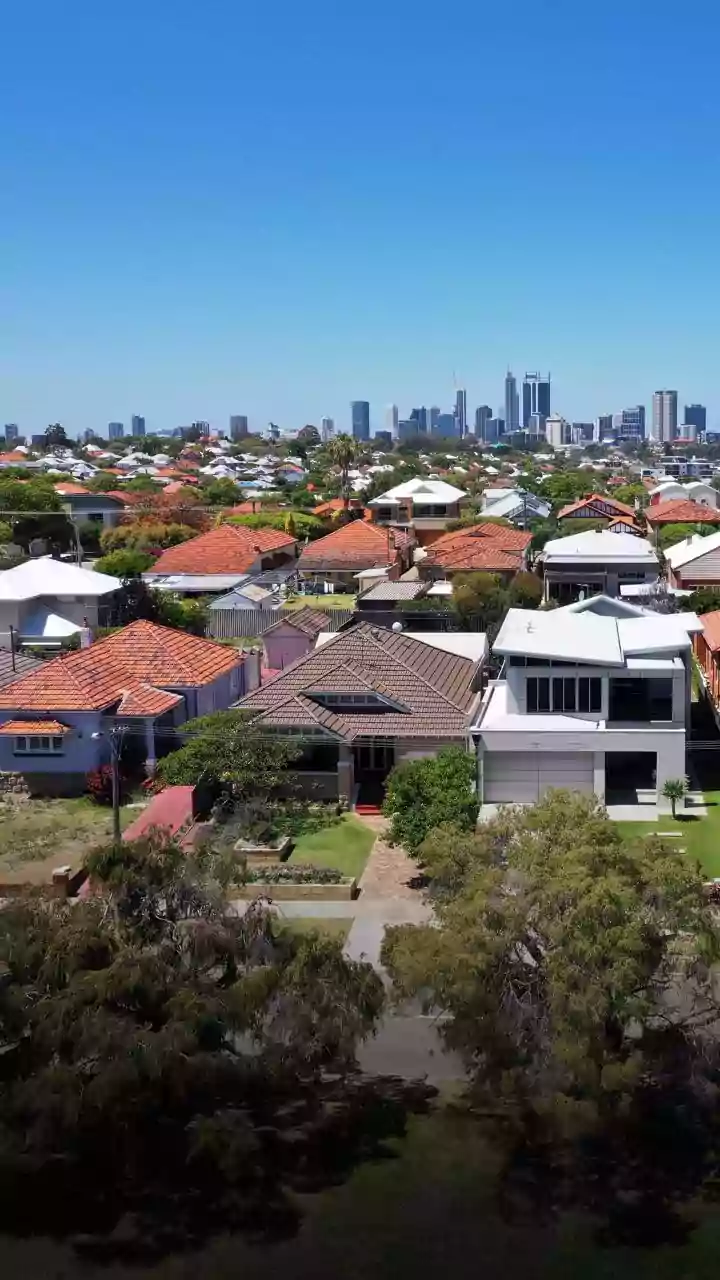






The ultimate real estate dilemma for Indian homebuyers: a spacious house in a distant suburb or a compact flat in the city centre? This choice has always been tough, but a revolution in urban transport is changing the entire equation.
The Classic Real Estate Trade-Off
For decades, the
choice for homebuyers in urban India has been a straightforward, albeit difficult, trade-off. On one hand, the allure of a large home in a peripheral or suburban area offers space for a growing family, a home office, and a quieter environment, often at a more affordable price. On the other, a smaller home in a prime, central location provides unparalleled convenience, with short commutes and easy access to the city’s social and commercial hubs. This decision pits quality of life against convenience, and affordability against accessibility. For many, the daily grind of a long commute was the necessary sacrifice for the dream of a bigger home.
India's Connectivity Revolution
This long-standing dilemma is now being reshaped by one of the most significant changes in modern India: the expansion of mass transit infrastructure. Cities like Delhi, Mumbai, Bengaluru, Hyderabad, and Chennai are witnessing a metro network boom. These clean, fast, and reliable transport systems are shrinking perceived distances, making previously overlooked suburbs viable options for city workers. A property near a metro station now has a different value proposition, with studies showing significant price appreciation of 10-25% for homes within a 500-metre radius of a station. It’s not just the metro; new expressways and regional rapid transit systems (RRTS) are also transforming how people calculate their travel time, turning hour-long drives into more predictable journeys.
The True Cost of a Long Commute
While a home in an emerging corridor may seem cheaper on paper, a smart homebuyer must calculate the true cost of the daily commute. This isn't just about the price of a metro ticket or fuel. The real cost includes the hours lost in transit that could have been spent with family, exercising, or on hobbies. There's also the mental and physical toll of stress and fatigue from navigating traffic. For those who drive, expenses on fuel, vehicle maintenance, and parking can add up to a significant monthly sum. In traffic-dense cities like Bengaluru, where congestion leads to measurable economic losses, distance is now measured in minutes, not kilometres. This has made many homebuyers reconsider paying a premium for a location that gives them back their time.
The Rise of the '15-Minute City'
In response to commuting woes, a new model is gaining traction: the integrated township, or the 'walk_to_work' concept. Developers are creating self_sufficient ecosystems where residential towers, office complexes, schools, hospitals, and retail centres are all located within the same area. Places like Hiranandani in Mumbai, Magarpatta City in Pune, and Embassy TechVillage in Bengaluru are prime examples of this trend. The appeal is undeniable: a life where your daily needs are just a short walk away. These mixed_use developments command premium prices but offer an enhanced quality of life, greater convenience, and a stronger sense of community. This trend signals a shift from a commute_driven life to a lifestyle_driven one.
How Remote Work Is Changing the Rules
The widespread adoption of hybrid and remote work since 2020 has been another massive disruptor. If you only need to commute to the office one or two days a week, the tolerance for a longer journey increases significantly. This has fundamentally altered the size vs. location calculation for many professionals. Buyers who were previously constrained to city centres are now confidently exploring larger homes in suburban and peripheral corridors. This trend has made three_bedroom homes, with a dedicated room for a home office, the new standard for many families. It has also fuelled real estate growth in Tier_2 cities like Kochi, Coimbatore, and Indore, as professionals realise they can work for a Bengaluru or Mumbai_based employer from their hometown, enjoying a lower cost of living and more space.
Beyond the Commute: The Social Fabric
Finally, the decision extends beyond the daily commute. A location is not just a pin code; it's the social fabric of your life. Before choosing a far_flung location with great transport links, consider your access to what matters on weekends and evenings. Is it close to your children's schools, your preferred hospitals, or the parks where you unwind? How far is it from friends and family? A home in a developing area might offer space and affordability, but it can also lead to social isolation if the surrounding social infrastructure is not yet established. The ideal location balances connectivity to work with a connection to your community and lifestyle needs.