






A Vibrant Arrival at the Palais des Nations
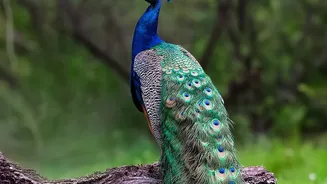
In a ceremony rich with symbolism, India has gifted five young peacocks to the United Nations Office at Geneva (UNOG). The birds—four classic blue Indian peafowl and one rare white male—were formally presented by India's Permanent Representative to the UN in
Geneva, Ambassador Arindam Bagchi, to UNOG Director-General Tatiana Valovaya. This colourful gesture took place at the historic Palais des Nations, the UN's European headquarters, nestled within the sprawling 46-hectare Ariana Park. For now, the peacocks will reside in a temporary aviary to acclimatise before they are allowed to roam freely, joining a tradition that predates the UN itself. The new arrivals are seen as a move to replenish the peafowl population on the grounds, which had recently dwindled to a single bird.
More Than Just India's National Bird
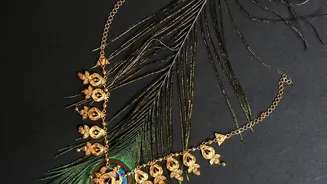
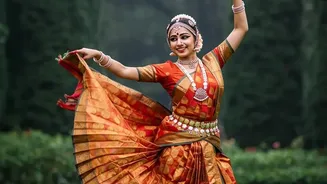
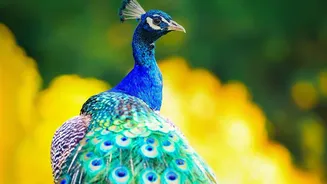
The choice of the peacock is deeply significant. Declared India's national bird in 1963, the Pavo cristatus is woven into the very fabric of the nation's culture, mythology, and identity. It symbolises grace, beauty, and resilience. In Hindu mythology, the peacock is the sacred vehicle of Lord Kartikeya and its feathers adorn Lord Krishna's crown, representing divinity and royalty. Beyond its religious connections, the bird is a celebrated motif in Indian art, architecture, and literature, embodying the country's rich biodiversity and cultural vibrancy. By gifting these birds, India is not just sharing a piece of its natural heritage; it is extending a hand of friendship through a powerful living symbol.
The Masterstroke of 'Peacock Diplomacy'
This act is a prime example of 'soft power'—using cultural attraction to foster goodwill and strengthen international relationships. While traditional diplomacy relies on negotiations and treaties, gestures like these build connections on a human and cultural level. The timing is noteworthy, reviving a tradition started in 1981 when then-Prime Minister Indira Gandhi gifted a breeding pair of peacocks to the same UN office. This continuation of 'peacock diplomacy' reinforces India's commitment to multilateralism and its enduring partnership with the United Nations. The inclusion of a white peacock alongside the blue ones has been seen as particularly fitting, subtly reflecting the blue and white colours of the UN flag.
A Century-Old Tradition in Ariana Park
The presence of peacocks at the Palais des Nations is not new. The tradition dates back to the late 19th century when Swiss collector Gustave Revilliod bequeathed the estate to the city of Geneva with one condition: that peacocks must always be allowed to roam freely on the grounds. Over the decades, these birds have been silent witnesses to major world events, from the League of Nations to countless diplomatic summits. India’s gift breathes new life into this century-old tradition, ensuring that this unique blend of nature and diplomacy continues for future generations of visitors and world leaders to appreciate.
A Living Symbol of Partnership
The five young peacocks will soon join the lone resident bird, becoming a living, breathing symbol of India’s presence and friendship at the heart of global governance. Their care will be managed by the Geneva Bioparc zoo in collaboration with UN staff, ensuring they thrive in their new environment, described as a 'dream habitat'. UN officials have also floated the idea of a public competition to name the five new avian diplomats, further engaging the community with this story. This gesture goes beyond politics, offering a simple yet profound reminder of the shared values of peace, nature, and cooperation that form the bedrock of the India-UN relationship.