





The Invisible Toll of Polluted Air
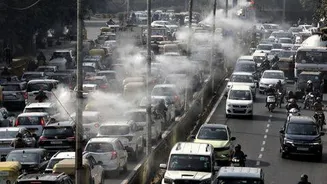
Air pollution is a silent public health crisis in India. Millions are exposed to harmful levels of fine particulate matter (PM2.5), which are tiny particles that can penetrate deep into our lungs and enter the bloodstream. The health burden is immense;
in 2019 alone, air pollution was linked to approximately 1.67 million deaths in the country. While we often associate smog with coughing and respiratory issues like asthma, its impact is far more systemic. Long-term exposure is a major risk factor for cardiovascular diseases, stroke, lung cancer, and even chronic conditions like diabetes and cognitive decline. The economic fallout is just as severe, leading to lost productivity from illness, increased healthcare costs, and a diminished quality of life that affects everyone, but especially the most vulnerable, including children and the elderly.
Why Safer Streets Are Healthier Streets
The design of our streets has a profound and often overlooked effect on our well-being. In India, road traffic injuries represent a major public health challenge, with two-thirds of deaths occurring in the prime 15-44 age group. Many urban roads are designed to prioritize vehicle speed over human safety, leading to a high number of fatalities among pedestrians and two-wheeler riders. But the impact goes beyond accidents. Streets that are unsafe for walking or cycling discourage physical activity, contributing to a more sedentary lifestyle. This can increase the risk of obesity, heart disease, and diabetes. Conversely, creating walkable neighbourhoods with traffic-calming measures not only reduces crash risks but also encourages people to get active. This simple act of walking can improve everything from heart health and sleep to mental well-being by reducing stress.
The Blueprint for a Healthier City
The good news is that these problems are solvable through intentional urban planning. The solution lies in redesigning our communities to prioritize people over cars. This includes creating extensive networks of safe, continuous footpaths, protected cycling lanes, and reliable public transportation. Such infrastructure makes active transport a viable and attractive option for daily commutes and errands. Another key strategy is the implementation of low-emission zones, which restrict polluting vehicles from certain areas. Cities like London and Paris have seen significant drops in air pollution levels after adopting such measures. Investing in green spaces like parks provides a dual benefit: they help clean the air and offer residents spaces for recreation and social connection, further boosting mental and physical health. By integrating public health goals directly into urban planning, cities can create environments that naturally promote healthier lifestyles.
From Policy to People: The Real-World Gains
This isn't just theory; cities around the world are demonstrating the powerful health benefits of these changes. In New York City, a long-term study found that as neighbourhood walkability improved, the risk of developing obesity-linked cancers decreased. After implementing clean air policies, the city prevented an estimated 290 premature deaths and hundreds of hospital admissions annually. Similarly, Beijing achieved a dramatic 50% drop in key pollutant levels after introducing detailed clean air interventions. These examples show that sustained government action, driven by public health data, can lead to measurable improvements. Engaging the health sector is crucial, as it helps frame the issue not just as an environmental concern, but as a direct investment in human capital and well-being. By focusing on the health benefits, cities can build strong public support for transformative policies.