


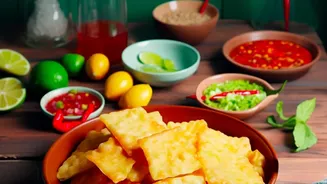
The Low-Oil Illusion
Air fryers and non-stick pans have made it easier to cook Vrat favourites like sabudana vadas and potato tikkis with minimal oil. But simply cutting down on frying doesn't automatically make a meal healthy. Many traditional fasting foods are packed with simple
carbohydrates and starch, like sabudana (tapioca pearls) and potatoes. While these provide a quick energy boost, they can also lead to blood sugar spikes and leave you feeling tired and hungry again soon after. A low-oil potato patty is still a potato patty, and overindulging in these starchy foods, even when not deep-fried, can sabotage your health goals.
An Audit of Your Vrat Ingredients
The foundation of a healthy fast is built from your shopping list. Many people rely heavily on potatoes and sabudana, but these are high in carbohydrates and offer limited nutritional benefits. Instead, focus on rotating your ingredients. Healthier alternatives like kuttu ka atta (buckwheat flour), rajgira (amaranth flour), and samak rice (barnyard millet) are packed with protein and fibre, which help you feel full longer and maintain stable energy levels. Buckwheat, for example, is rich in protein, fibre, and minerals, making it a far more balanced choice than starchy sabudana. Similarly, incorporating paneer, nuts, seeds, and yogurt introduces essential proteins and healthy fats that are often missing from fasting diets.
The Portion Size Puzzle
Fasting is often misinterpreted as a license to feast on permissible foods. This is one of the most common mistakes people make, sometimes even leading to weight gain during a fasting period. Even healthy Vrat foods are calorie-dense. A bowl of sabudana khichdi, for instance, can be high in calories, especially when prepared with peanuts and potatoes. The key is mindful eating. Use smaller plates, chew slowly, and listen to your body’s hunger cues. Rather than one large, heavy meal, try having smaller, balanced meals throughout the day to keep your metabolism active and prevent overeating.
Beyond Frying: Smarter Cooking Methods
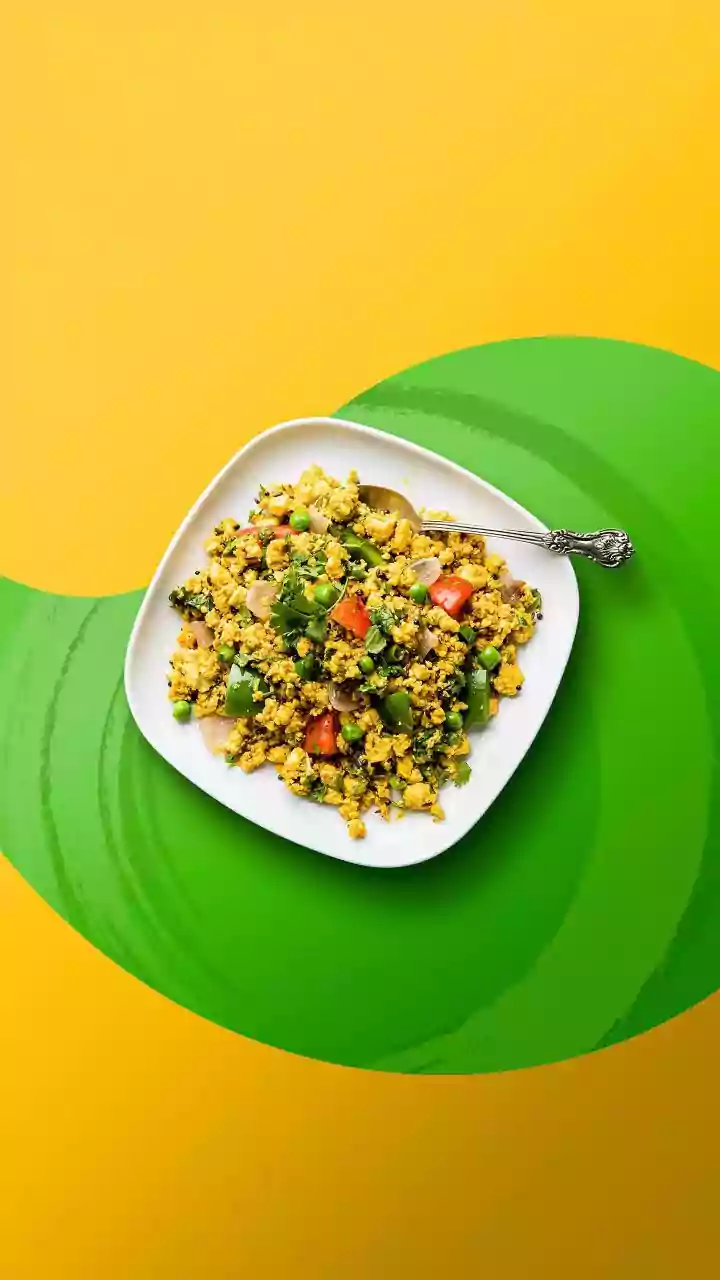
Reducing oil is about more than just avoiding the deep-fryer. Embrace other cooking techniques that preserve nutrients without adding excess fat. Roasting, steaming, boiling, and grilling are all excellent methods for preparing Vrat meals. Instead of fried arbi cutlets, try roasting or steaming them. Make a wholesome khichdi with samak rice and vegetables instead of a greasy potato sabzi. You can even make vrat-friendly cheelas from kuttu or rajgira flour on a non-stick pan with almost no oil, stuffing them with grated paneer for a protein boost. These methods enhance the natural flavours of the ingredients without the heaviness of fried food.
Mindful Hydration and Snacking
What you drink and snack on is just as important as your main meals. It's easy to become dehydrated while fasting, so ensure you drink plenty of water, coconut water, or homemade buttermilk. When it comes to snacks, steer clear of packaged "Vrat-friendly" chips and mixtures, which are often fried in unhealthy oils and loaded with salt. Instead, opt for a handful of roasted makhana (fox nuts), a bowl of fruit, or a small serving of nuts and seeds like almonds and walnuts. These provide sustained energy, fibre, and healthy fats, keeping you satisfied between meals without the empty calories.