
More Than Just Nutrition
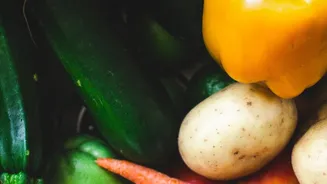
When we talk about giving children a variety of vegetables, it’s easy to focus only on the nutritional benefits. While it's true that different coloured vegetables provide a wide range of essential vitamins and minerals, the advantages go much deeper.
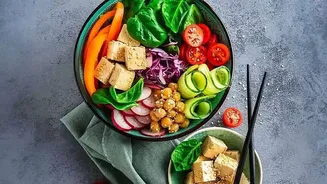
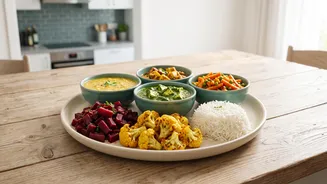
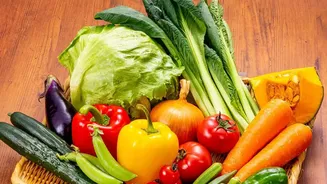
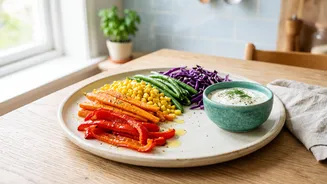
Introducing variety is a powerful tool for developing a child's palate. Children aren't born loving the complex, sometimes bitter tastes of vegetables; these are learned preferences. By offering a range of options, you give them more opportunities to find something they genuinely enjoy. It shifts the dynamic from a high-pressure, single-vegetable standoff to a low-pressure exploration of colours, shapes, and flavours. This strategy has been shown to be effective, as children who are offered more vegetable choices tend to put more vegetables on their plate.
The Power of Repeated, Gentle Exposure
One of the most effective, research-backed strategies for overcoming picky eating is repeated exposure. This doesn’t mean forcing a child to eat broccoli every night. It simply means giving your child regular, pressure-free opportunities to experience a food over time. Experts suggest a child may need to be exposed to a new food 10 to 20 times, or even more, before they are willing to try it. Exposure isn't just about tasting. It includes seeing the food on the table, watching you enjoy it, touching it, and smelling it. Each interaction helps build familiarity, which reduces fear and anxiety around new foods. The goal is to make the unfamiliar familiar. So, even if a vegetable is rejected initially, keep offering a small amount alongside foods you know your child likes. Every time they see, smell, or touch it, it’s a small victory.
It's All About Texture
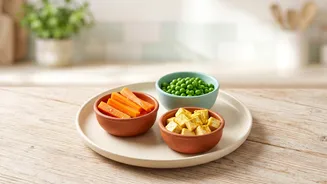
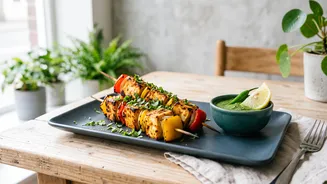
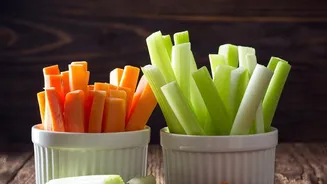
For many children, the feel of a food is just as important as its taste—sometimes even more so. A child's sensory system is still developing, which can make certain textures feel intense or unpleasant. What an adult perceives as creamy, a child might feel as mushy. This is why variety in texture is critical. A child who dislikes soft, cooked carrots might love the crunchy satisfaction of raw carrot sticks. Offering vegetables in different forms—roasted, steamed, mashed, or raw—allows a child to find a texture that feels safe and enjoyable to them. Smooth foods like purées can feel comforting, while crunchy foods like baked veggie crisps can spark curiosity. Exploring these differences helps children build crucial oral motor skills for chewing and swallowing.
Make It a Sensory Game
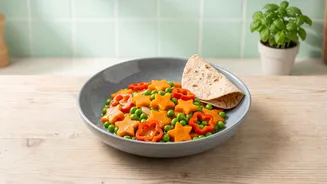
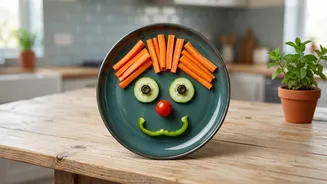
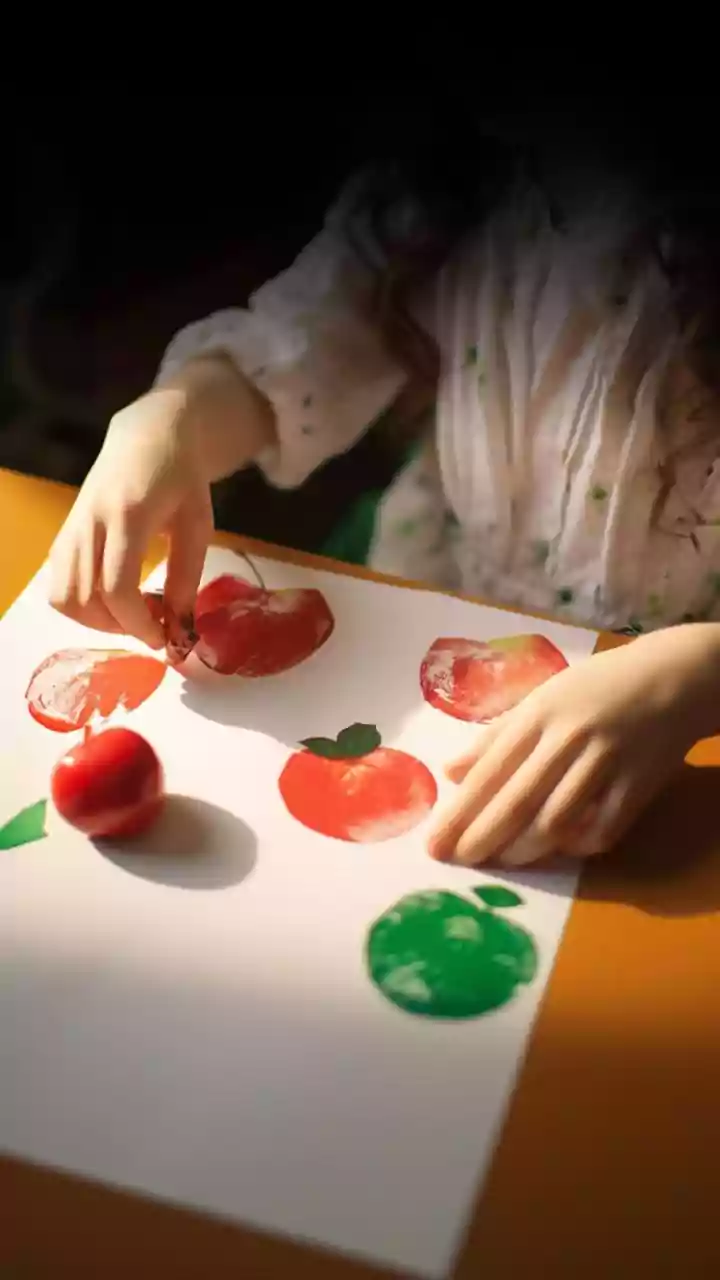
Turning food exploration into play can remove pressure and make children more comfortable. This concept, known as food play, encourages kids to interact with vegetables using all their senses. You can let them “paint” with colourful purees like beet or sweet potato, use cookie cutters to make fun shapes out of cucumber slices, or build towers with sticks of carrot and celery. The idea is to create positive, playful associations with food. Let your child feel the bumpy skin of a bell pepper or the smooth surface of a cherry tomato. This hands-on interaction builds familiarity in a fun, no-stakes environment. Even if they don’t take a bite, they are learning that these new foods are safe and interesting.
Get Them Involved in the Kitchen
Children are more likely to try foods that they have helped prepare. Involving them in the process gives them a sense of ownership and empowerment. Depending on their age, this can be as simple as letting them wash the vegetables, tear lettuce leaves for a salad, or stir a pot with supervision. Take them to the grocery store or a local market and let them pick out a new vegetable to try. Reading a kid-friendly cookbook together and letting them choose a recipe can also build excitement. When children participate in meal prep, they become more curious and invested in the outcome. Research even shows that kids who regularly help in the kitchen tend to eat more fruits and vegetables.