







A Shift from Traditional Harvests
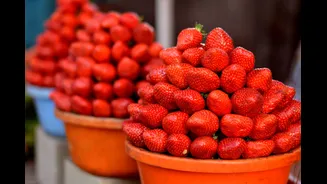
For decades, the economy of Mahabaleshwar, which produces about 85% of India's strawberries, has been tied to a traditional model. Farmers would cultivate their crops, harvest the delicate red berries, and sell them to middlemen or in wholesale markets.
While this system has sustained the region, it often leaves farmers with slim profit margins and vulnerable to market fluctuations and spoilage. The journey from the farm to urban centres like Mumbai and Pune involves multiple steps, each cutting into the grower's potential earnings. This long-standing practice is now being challenged by an innovative approach that brings the customers directly to the farm, changing the very definition of a strawberry harvest.
The Rise of the Farm Experience
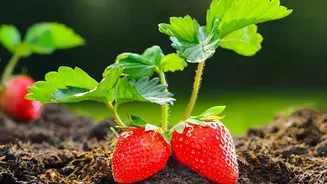
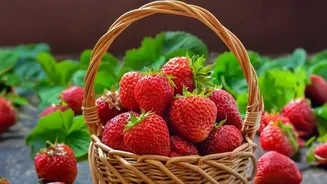
Agritourism is the blend of agriculture and tourism, and in Mahabaleshwar, it has found a sweet spot. Instead of just selling produce, farmers are now selling an experience. Tourists are invited to walk through the neat rows of strawberry plants, learn about cultivation, and pick their own fruit straight from the vine. Many farms have expanded this offering to include farm-fresh milkshakes, homemade jams, and the region’s famous strawberry-with-cream dessert, served on-site. This model transforms a simple farm into a destination, allowing visitors to connect with where their food comes from and creating lasting memories. For a fee, families can spend hours in the fields, filling their baskets and enjoying the fresh mountain air.
A Boost to the Farmer's Bottom Line
The economic benefits of this shift are significant. By selling directly to tourists, farmers can cut out the middlemen and command better prices for their produce. Furthermore, the sale of value-added products like jams, syrups, and desserts creates new revenue streams that are often more profitable than selling the raw fruit alone. One farmer noted that by using social media to invite tourists to her farm, she was able to increase profits significantly. This direct-to-consumer model not only boosts income but also provides employment opportunities within the local community, from running farm cafes to guiding tours. The entire local economy benefits as tourism centered around these farm experiences grows.
Navigating New Challenges
However, this transition is not without its challenges. Agritourism requires a different skill set than traditional farming. Farmers must now also be hosts, educators, and small business managers. Ensuring a positive visitor experience, managing crowds during the peak season from December to March, and making the initial investment in visitor amenities can be significant hurdles. There is also the constant pressure to maintain well-kept, accessible fields, which requires extra labour and attention. Furthermore, the industry is still developing, and a lack of clear government policies and infrastructure support can sometimes hinder growth for smaller, family-run farms that wish to make the switch.
A Model for a Sustainable Future
Despite the hurdles, the move towards agritourism in Mahabaleshwar represents a resilient and forward-thinking evolution in Indian agriculture. The success of these strawberry farms serves as a powerful model for other agricultural regions across the country. It proves that by diversifying their offerings, farmers can create more stable and profitable livelihoods. The Mahabaleshwar strawberry, which was granted a Geographical Indication (GI) tag in 2010, is no longer just a commodity; it's the centerpiece of a unique cultural and travel experience. This trend fosters a deeper appreciation for agriculture and strengthens the connection between urban consumers and the rural communities that feed them.