








The Northern Corridors: A Vision for Connectivity
The 'North Bullet Train Corridor' isn't a single route but a network of proposed high-speed lines designed to connect Delhi with major economic and cultural hubs across the northern plains and extend into the east. While several corridors are part of the National
Rail Plan, two have emerged as primary projects for North India: the Delhi-Varanasi corridor and the Delhi-Amritsar corridor. In early November 2026, the Railway Minister announced that the Prime Minister had approved the northern corridor, which would eventually connect Delhi all the way to Guwahati in Assam, passing through major cities in Uttar Pradesh, Bihar, and West Bengal. This network aims to slash travel times, boost economic activity, and create a modern transport backbone for one of India's most populous regions.
Delhi to Varanasi: The Spiritual and Economic Link
The Delhi-Varanasi High-Speed Rail (DVHSR) corridor is arguably the most prominent of the new proposed lines. The approximately 813-kilometre route is planned to start from Sarai Kale Khan in Delhi and pass through key Uttar Pradesh cities including Noida, Agra, Lucknow, Rae Bareli, and Prayagraj before terminating in Varanasi. The National High Speed Rail Corporation Limited (NHSRCL), the body managing these projects, has submitted the Detailed Project Report (DPR) to the Ministry of Railways. According to recent reports, the journey from Delhi to Varanasi, which currently takes many hours, could be reduced to just 3 hours and 33 minutes. The corridor is also planned to include spurs connecting to other key locations like Ayodhya. The project is seen as crucial for connecting religious tourism circuits and major commercial centres.
Delhi to Amritsar: A Strategic Connection
The second key northern route is the proposed Delhi-Amritsar corridor. This 465-km line is planned to connect the national capital with major cities in Punjab, passing through Haryana. Key proposed stations include Rohtak, Jind, Ludhiana, and Jalandhar, with a spur line also connecting to Chandigarh. While still in the proposed stage with the DPR under preparation, this corridor holds strategic importance. It aims to drastically cut travel time between Delhi and Amritsar to under two hours, boosting trade, tourism, and connectivity in the border state. The project is a clear example of how the high-speed network plans to use main trunk routes with branches to serve other important urban centres.
Technology, Speed, and Transformative Timetables
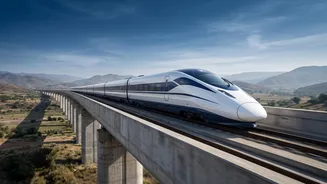
These corridors are being designed for trains to operate at a speed of 320 km/h, with a maximum speed of 350 km/h. This level of speed is what enables the dramatic reduction in travel times. For instance, the proposed Delhi-Agra journey would take just 59 minutes, while Delhi to Lucknow could be completed in about 2 hours and 12 minutes. NHSRCL is in the process of standardising engineering designs to ensure consistency and speed up the construction of future corridors. This involves creating templates for everything from bridges and tunnels to seismic safety systems, drawing on international best practices while adapting them for Indian conditions.
The Economic Engine and On-the-Ground Hurdles
The potential economic benefits of these high-speed corridors are immense. Studies on similar international projects show that cities connected to high-speed rail networks experience higher GDP growth. The projects are expected to generate tens of thousands of jobs during the construction phase alone, plus thousands more for operations and maintenance. By connecting industrial and agricultural belts with major urban markets, the corridors can spur commercial activity and regional development. However, the path forward is not without significant challenges. The primary hurdles include the enormous financial investment required, with costs running into trillions of rupees, and the complex, often contentious, process of land acquisition across densely populated states.