



The Fiery Heart of the Meal
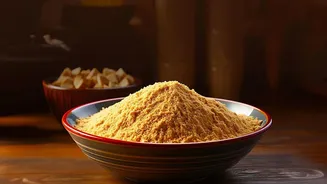
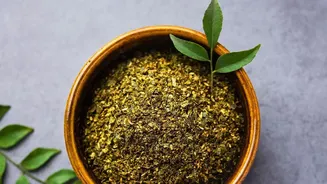
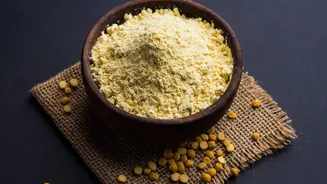
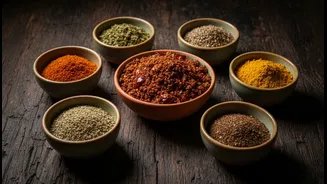
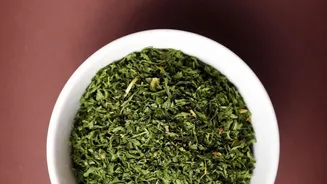
Known affectionately as 'gunpowder' for its explosive flavour, idli podi is a staple condiment in countless South Indian homes. At its core, it's a dry powder, or 'podi' in Tamil, made from a meticulously roasted and ground mixture of lentils (like urad
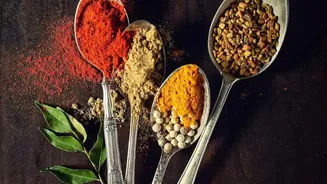
dal and chana dal), dried red chillies, and other spices. While recipes vary from household to household and region to region, common additions include sesame seeds, asafoetida (hing), and curry leaves, each adding its own layer of nutty, pungent, or aromatic notes. This dry chutney was born from practicality; its long shelf life made it a reliable alternative to fresh chutneys and sambar, especially for travellers.
The Ritual of the Mix
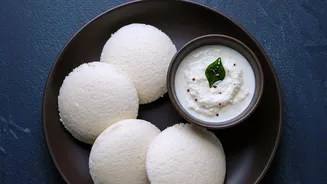
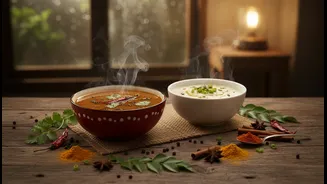
Idli podi is rarely eaten dry. The true experience unfolds when it’s mixed with a fat. Typically, a spoonful of the powder is placed directly onto one's plate. Using the back of a spoon, a small crater is created in the mound of podi. Into this well goes a generous pour of either sesame oil or melted ghee. The oil and powder are then mixed into a thick, fragrant paste, ready for dipping. Pieces of soft idli or crispy dosa are torn off and plunged into this flavour-packed mixture, ensuring each bite is a perfect combination of texture and taste.
Team Sesame Oil: The Traditionalist's Choice
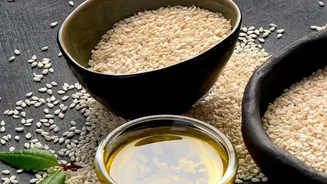
The most traditional pairing for idli podi is gingelly oil, also known as sesame oil or 'nallennai' in Tamil. This unrefined, cold-pressed oil has a deep, nutty, and slightly earthy flavour that beautifully complements the roasted lentils and spices in the podi. Beyond taste, tradition holds that sesame oil helps to balance the heat from the red chillies, making the condiment more palatable and soothing for the stomach. This combination is a classic for a reason, offering a complex and deeply savoury experience that speaks to generations of culinary heritage.
Team Ghee: The Rich and Comforting Alternative
On the other side of the delicious debate is ghee. Mixing idli podi with melted ghee creates a rich, aromatic, and comforting paste. The nutty, caramelised notes of the clarified butter provide a luxurious counterpoint to the podi's spice. Ghee tends to mellow the flavours slightly more than sesame oil, making it a particularly popular choice for children or those who prefer a less intense heat. The combination of podi with hot steamed rice and a spoonful of ghee is a quintessential comfort food in many South Indian homes, a quick meal that is both satisfying and soulful.
A Delicious Decision
Ultimately, the choice between sesame oil and ghee is a matter of personal preference, family tradition, and even the specific blend of podi being served. Some podi recipes, perhaps with more sesame seeds, lean naturally towards sesame oil, while richer, nuttier podis might pair wonderfully with ghee. There is no right or wrong answer, only a delicious spectrum of flavours to explore. Many households keep both on hand, allowing each person to customize their condiment to their liking. This simple choice encapsulates the adaptable and personal nature of Indian home cooking.
Beyond the Breakfast Plate
While its name ties it to idli, this versatile powder's use doesn't stop there. The podi and oil mixture is a perfect accompaniment for dosas and uttapams. The powder can be sprinkled directly onto dosas as they cook on the tawa to create a 'podi dosa'. It can be tossed with mini idlis for a popular snack or travel food. Some even sprinkle it over upma, buttered toast, or roasted vegetables to add an instant flavour boost. This demonstrates the true genius of idli podi: a simple, stable pantry item that can elevate almost any savoury dish it touches.