

An Enduring Solar System Mystery
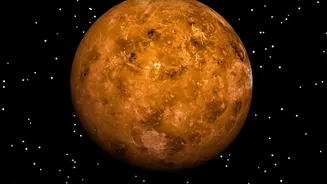
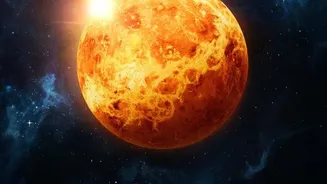
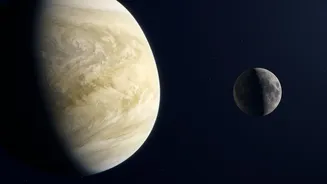
Venus and Earth are often called planetary twins. They are similar in size, mass, and overall structure, making them stand out in our solar system. Yet, a glaring difference has always perplexed scientists: Earth has a large, stabilizing moon, while Venus is starkly
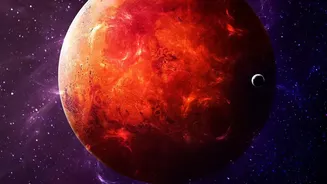
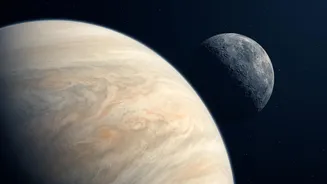
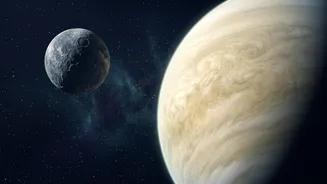
alone. For decades, theories for this moonless state have been dramatic. One popular idea was that Venus once had a moon, but it was obliterated by a massive asteroid impact. Another theory proposed that Venus simply missed out on the kind of giant, moon-forming collision that blessed Earth in its early history. But what if the answer wasn’t a random catastrophe, but a slow, inevitable process driven by the planet itself?
A New Theory: Planetary Cannibalism
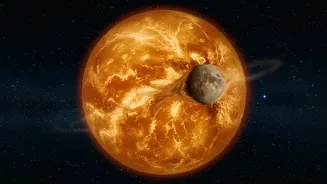
Recent research from astrophysicist Stephen Kane at the University of California, Riverside, offers a compelling new explanation that has shocked the scientific community. According to a study published in The Astrophysical Journal, Venus didn't need an external disaster to end up alone. Instead, computer simulations show that the planet's own gravity, combined with its incredibly slow rotation, created a death sentence for any moon that might have formed. The models suggest that a hypothetical Venusian moon would have been drawn into a gradually shrinking orbit, spiraling inward until it ultimately crashed into the planet and was consumed. “My study shows Venus didn't require a catastrophe to arrive at what we can see today,” Kane explained.
The Physics of a Doomed Orbit
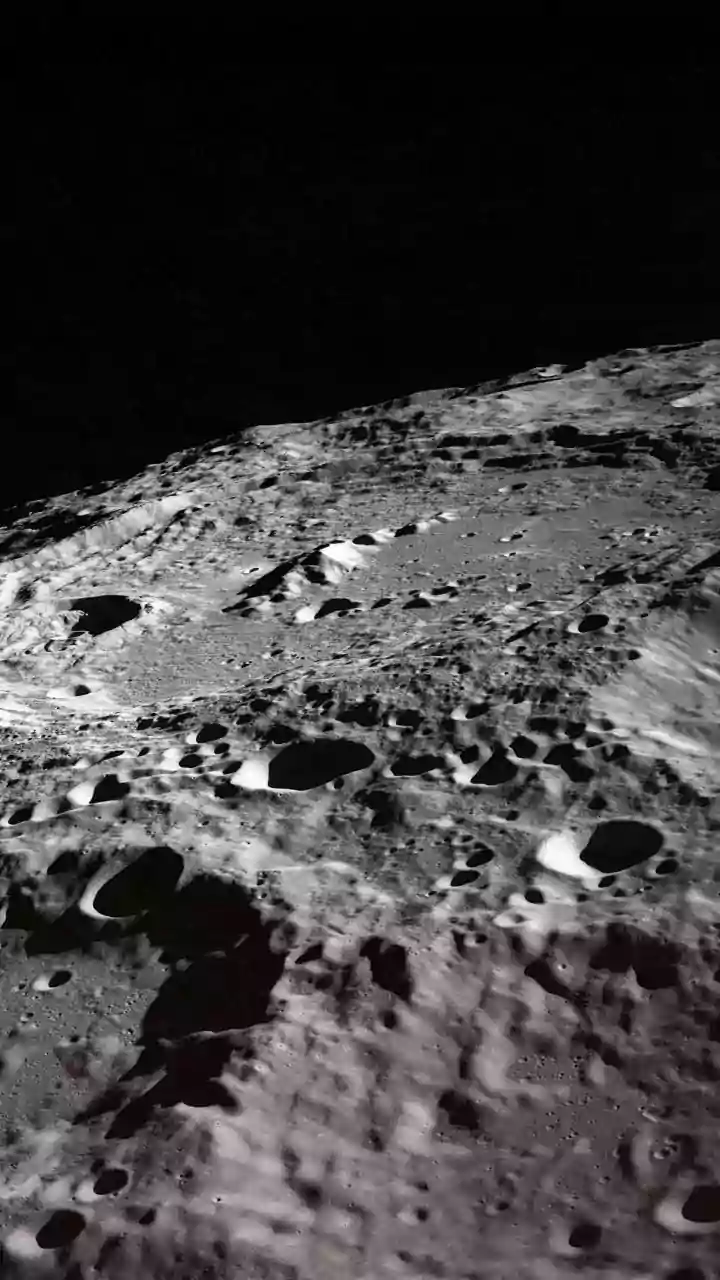
The key to this theory lies in the fascinating physics of tidal forces between a planet and its moon. Earth rotates relatively quickly—once every 24 hours. This rapid spin transfers rotational energy to our Moon, causing it to slowly drift away from us at a rate of about four centimetres per year. Venus, however, is a galactic anomaly. It takes a staggering 243 Earth days to complete a single rotation, which is even longer than its year. Because of this sluggish spin, the tidal interaction would work in reverse. Instead of pushing a moon away, the gravitational pull would drag it closer. Kane's simulations tested various scenarios with different initial rotation speeds and moon masses. In nearly every case where Venus's rotation was slow, the outcome was the same: the moon spiraled inward to its demise. More massive moons, in fact, crashed even faster.
A Fiery End and a Transformed Planet
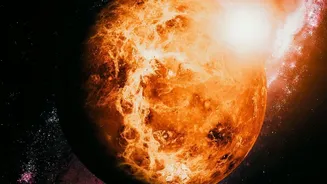
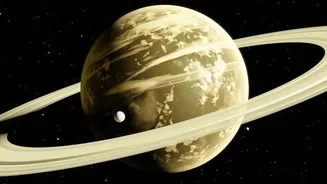
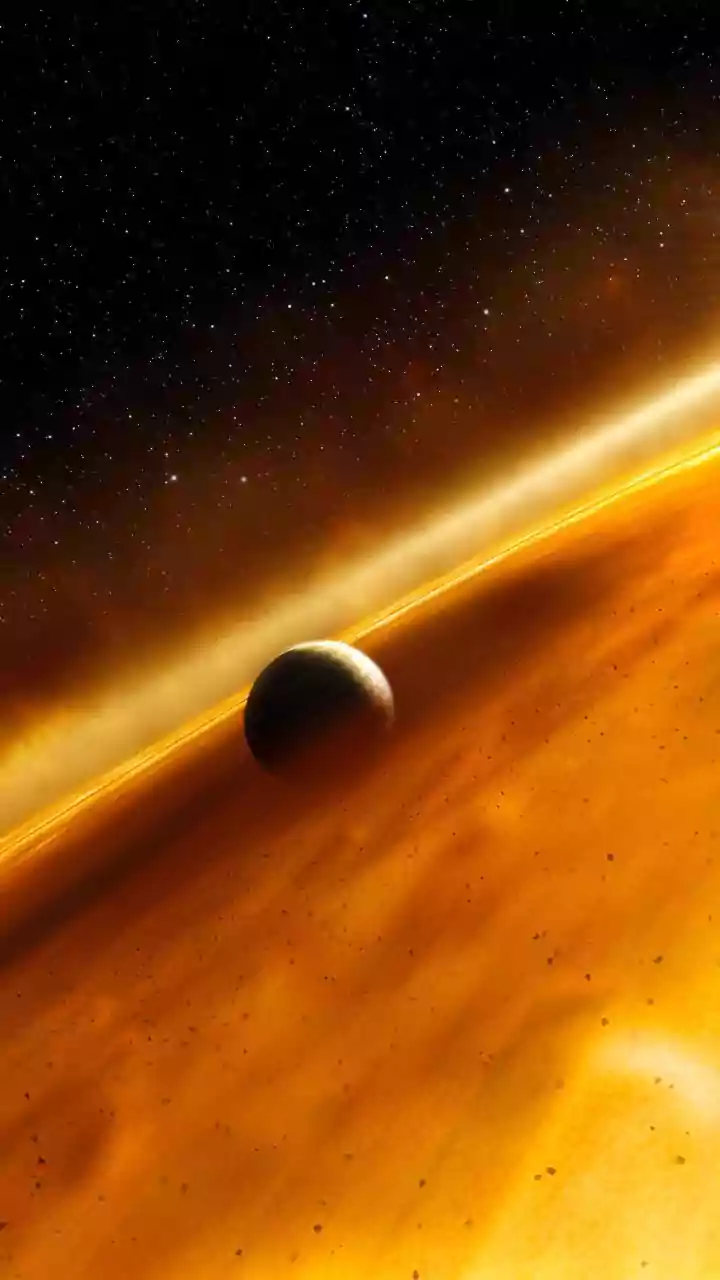
The final moments of this lost moon would have been spectacular and violent. As it was pulled closer, it would have eventually crossed the 'Roche limit'—the point at which the planet’s gravitational pull becomes so strong that it tears the smaller body apart. The moon would have likely disintegrated into a temporary ring of debris around Venus before its fragments rained down onto the surface. Such a colossal impact would have had profound consequences. The enormous energy and momentum transferred to Venus could have dramatically altered its geology, atmosphere, and even its rotation. This event could help explain other mysteries about the planet, including whether it was ever capable of supporting life and how it became the scorching, inhospitable world we see today.
What This Means for Other Worlds
While this new research does not definitively prove Venus once had a moon, it provides the strongest model yet for why it doesn't have one now. It shows that if a moon did form, its survival was highly unlikely without a much faster initial spin for the planet. The findings have implications that extend far beyond our solar system. They suggest that many rocky, Venus-like exoplanets orbiting close to their stars might also be incapable of holding onto large moons. Since moons can play a crucial role in stabilizing a planet's axis and climate, their absence could be a key factor in determining a planet's potential habitability. The story of Venus's lost moon is a stark reminder that the evolution of a planet is a complex and sometimes violent dance of gravitational forces.