


The Science of the Perfect Puff
The magic of a poori puffing up is a beautiful display of kitchen science. When the rolled-out dough hits a pan of sufficiently hot oil, the moisture on its surface instantly turns into steam. This rapid steam generation, combined with the heat, quickly
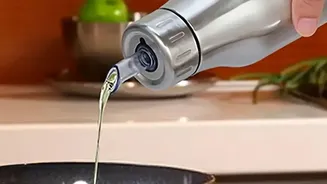
cooks and seals the outer layer of the poori, creating a crust. This crust traps more steam that is forming inside, forcing the poori to inflate like a balloon. If the oil isn't hot enough, this process happens too slowly. Instead of creating a quick seal, the poori languidly soaks up oil, resulting in a greasy, heavy, and disappointingly flat outcome.
Finding the Ideal Temperature
For that perfect, instant puff, the oil needs to be hot, but not smoking. The ideal temperature range for frying pooris is generally between 180°C and 190°C (350°F to 375°F). At this temperature, the poori fries quickly, puffs up beautifully, and absorbs minimal oil. If the oil is too cool (below 160°C or 320°F), the poori will absorb excess grease and won't puff. If the oil is too hot and starts to smoke, the outside will burn and darken before the inside has a chance to cook, often preventing it from puffing correctly. Maintaining a steady flame on medium-high is key.
How to Test Oil Without a Thermometer
You don't need a special thermometer to gauge the oil's readiness. There are several traditional, time-tested methods. The most common is the dough ball test: drop a tiny piece of your poori dough into the oil. If it sizzles and rises to the surface quickly without turning dark brown immediately, your oil is ready. If it sinks and stays at the bottom, the oil is too cold. If it turns dark in a few seconds, it's too hot. Another popular technique is to dip the wooden handle of a spoon or a chopstick into the oil. If the oil bubbles steadily around the wood, it's hot enough to start frying.
Beyond the Oil: Other Keys to Success
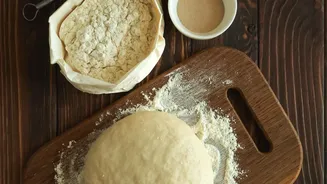
While oil temperature is the star player, a few other factors are critical for success. The dough must be firm and stiff—stiffer than you would make for chapatis. A soft dough is a primary cause of oily, flat pooris. Don't rest the dough for too long; 10 to 20 minutes is usually sufficient to relax the gluten without letting it become too soft. When rolling, aim for an even thickness of about 1-2mm. If a poori is rolled too thin, it won't have enough structure to puff up and may become crispy like a papad. If it's too thick, it can remain doughy inside. Finally, use a little oil on your rolling surface instead of dry flour, as leftover flour can burn in the oil, spoiling its colour and flavour.
Common Frying Mistakes to Avoid
A few common errors can sabotage your efforts. The most frequent is overcrowding the pan. Frying too many pooris at once causes the oil temperature to drop significantly, leading to soggy results. Fry one or two at a time for the best outcome. When you slide the poori into the oil, gently press it down with a slotted spoon for a moment as it starts to float up. This helps trap the initial burst of steam and encourages a full, even puff. Also, avoid flipping the poori repeatedly; once it has puffed on one side, flip it over to cook the other side until golden, and then remove it promptly.