




Explosive Growth in Numbers
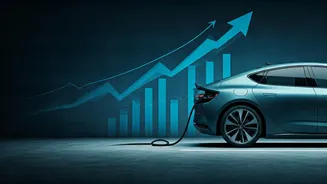
The first quarter of the 2027 financial year (April to June 2026) saw electric passenger vehicle registrations nearly double compared to the same period last year. According to data from the government's Vahan portal, retail EV registrations soared to 82,737
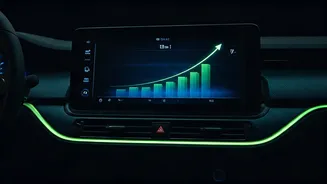
units, an 89.3% year-on-year jump from 43,710 units. This surge wasn't just a blip; across all vehicle segments, EVs recorded a 35% year-on-year increase in the calendar year's first quarter (January to March 2026), with approximately 696,769 units sold. This robust performance pushed the EV market share to about 9% of total automobile sales, a significant indicator of growing acceptance. The momentum shows a clear trend: Indian consumers are no longer just considering EVs; they are actively buying them in record numbers.
Who Is Leading the Charge?
In the passenger vehicle segment, the market remains concentrated but is becoming increasingly competitive. Tata Motors has solidified its leadership, more than doubling its registrations to 32,283 units in the April-June quarter and expanding its market share to 39%. Following behind, Mahindra & Mahindra also saw its registrations nearly double to 20,112 units, securing the second spot. The quarter also marked the impactful entry of new players. Maruti Suzuki, previously absent from the EV space, registered 4,894 units of its new e-Vitara. Vietnamese manufacturer VinFast also made a strong debut, signaling immediate market traction. This influx of competition is expanding consumer choice and intensifying the battle for market share.
The Two-Wheeler Driving Force
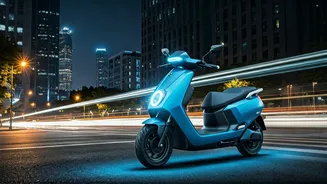
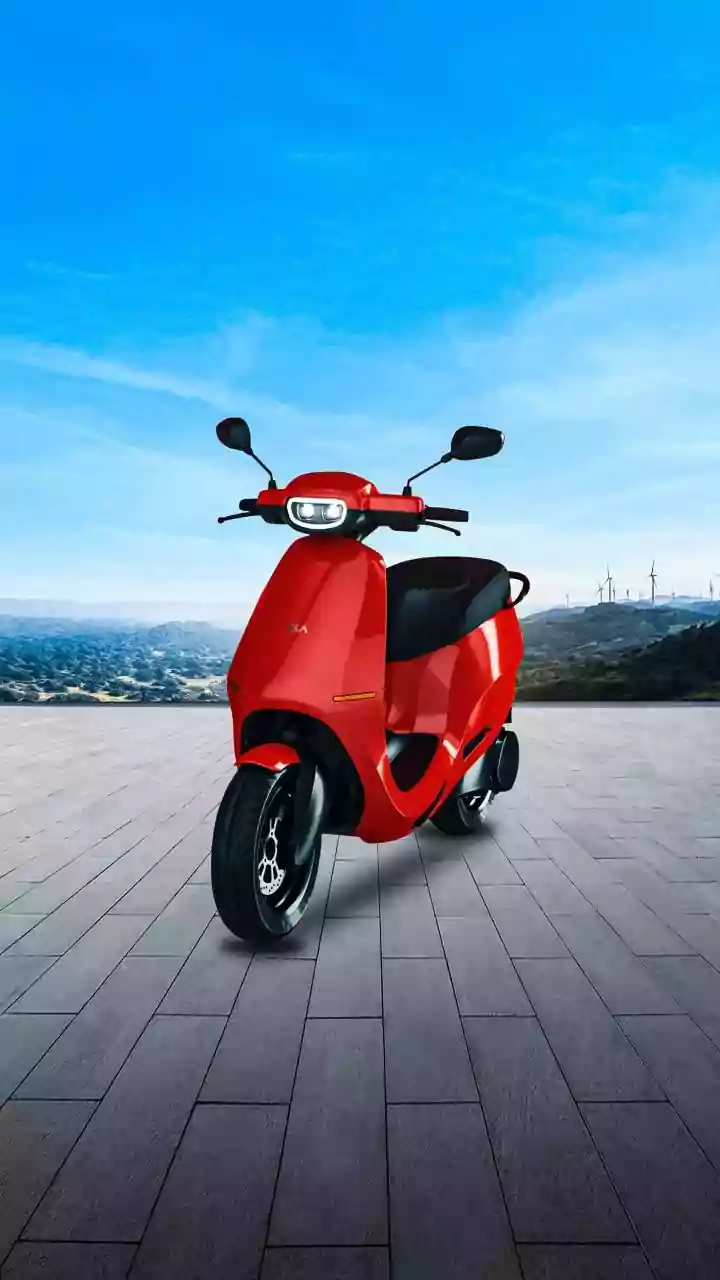
While electric cars grab headlines, the electric two-wheeler segment is the true engine of India's EV transition. Accounting for the largest portion of EV sales, their affordability, low running costs, and suitability for city commutes make them an ideal fit for Indian consumers. In March 2026 alone, electric two-wheeler sales saw a sharp increase, with their penetration in the overall two-wheeler category rising to 9.8%. This segment is fiercely competitive, with established players like TVS and Bajaj competing with newer entrants like Ola Electric for dominance. The widespread adoption of electric scooters and motorcycles, especially for daily commutes and delivery services, is crucial for achieving mass-market electrification.
Why Confidence Is Soaring
The surge in sales is built on a foundation of growing consumer confidence, which stems from several key factors. Firstly, the expansion of charging infrastructure is steadily chipping away at 'range anxiety'. With thousands of public charging stations installed and policies enabling private investment, finding a charging spot is becoming less of a concern, especially in urban areas. Secondly, a greater variety of models are now available across different price points, from affordable two-wheelers to premium electric SUVs. Thirdly, supportive government policies, including subsidies and tax benefits, have lowered the initial cost barrier for many buyers. Finally, as more EVs hit the road, the message of lower running costs and reduced maintenance is spreading through word-of-mouth, creating a powerful feedback loop of trust and interest.
Challenges on the Road Ahead
Despite the impressive growth, the path to full electrification is not without its hurdles. The high upfront cost of EVs compared to their petrol or diesel counterparts remains a significant barrier, particularly for price-sensitive buyers. While charging infrastructure has improved, it remains inadequate in many semi-urban and rural areas. Furthermore, India's heavy dependence on imported battery components, especially from East Asia, creates supply chain vulnerabilities that can affect production and pricing. Addressing these structural challenges—from localizing battery manufacturing to ensuring the power grid can handle increased demand—will be critical for maintaining the current momentum.