



A Breakfast Staple from Punjab
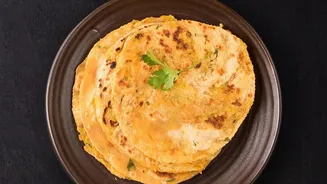
Paneer paratha is a popular unleavened whole wheat flatbread, generously stuffed with a savoury filling of grated Indian cottage cheese, or paneer. Originating from the culinary heartland of Punjab, this dish has become a favourite across India, commonly
enjoyed for breakfast but equally suited for lunch or dinner. The beauty of the paneer paratha lies in its contrasting textures: a crisp, golden-brown exterior that gives way to a soft, melt-in-your-mouth filling. It’s a complete meal in itself, offering a harmonious blend of carbohydrates for energy and protein to keep you feeling full and satisfied for longer.
The Heart of the Matter: The Filling
What truly defines a paneer paratha is its spiced filling. The star ingredient, paneer, should be fresh, soft, and moist. It is typically grated finely rather than crumbled to ensure a smooth, uniform texture inside the bread. This grated paneer is then mixed with an aromatic blend of spices and herbs. Essential seasonings include garam masala, red chilli powder for a touch of heat, and amchur (dry mango powder) for a subtle tangy note. Finely chopped green chillies, ginger, and fresh coriander leaves are also added to provide layers of fresh, zesty flavour. Some variations also include finely chopped onions for a bit of crunch.
Crafting the Perfect Dough
The foundation of a great paratha is a soft, pliable dough. Made from whole wheat flour (atta), salt, a little oil or ghee, and water, the dough must be kneaded until it is smooth and elastic. This ensures that it can be rolled thin without tearing, which is crucial when enclosing the generous amount of filling. Many cooks recommend resting the dough for at least 20 to 30 minutes after kneading. This allows the gluten to relax, making the dough easier to roll and resulting in a softer, more tender paratha.
The Art of Stuffing and Rolling
The technique of stuffing and rolling is what intimidates many home cooks, but a few simple tips can make the process straightforward. One common method involves rolling out two small, thin discs of dough. The paneer filling is spread over one disc, leaving a small border around the edge. The second disc is then placed on top, and the edges are pressed firmly together to seal the filling inside. Another technique is to shape a single dough ball into a cup, place the filling inside, and carefully pull the edges up and together to enclose it. The key is to roll the stuffed dough gently and evenly, using a light dusting of flour to prevent sticking, to create a paratha that is uniform in thickness.
Cooking to Golden Perfection
Paneer parathas are traditionally cooked on a flat pan called a tawa. The tawa is heated over a medium-high flame before the rolled paratha is placed on it. It is cooked for a minute or so on each side until light brown spots appear. Ghee or oil is then drizzled on both sides and cooked until the paratha is golden-brown, crisp, and cooked through. The use of ghee, in particular, lends a rich, nutty aroma and flavour that is characteristic of a well-made paratha.
How to Serve Paneer Paratha
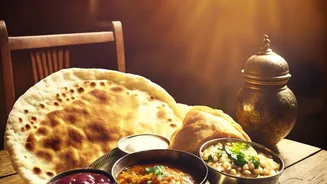
A hot, freshly made paneer paratha is a delight on its own, but it is traditionally served with a few simple accompaniments that elevate the experience. A dollop of white butter melting on top is a classic indulgence. A side of plain yogurt or a cooling raita, such as cucumber or boondi raita, provides a refreshing contrast to the richness of the paratha. Tangy pickles, like mango or lemon pickle, are also a popular pairing, adding a spicy and sour kick that cuts through the flavours perfectly. And for the ultimate comfort breakfast, many enjoy their parathas with a hot cup of masala chai.