






The Power of a Complete Meal
A truly 'complete' meal provides a balanced mix of protein, fibre, and complex carbohydrates, which work together to deliver sustained energy. Lentils are nutritional powerhouses, packed with all three. A single cup of cooked lentils contains about 18
grams of protein and 16 grams of fibre. This combination is crucial for satiety, the feeling of fullness that prevents mid-morning snack cravings. Unlike the simple sugars in many convenient breakfast foods that cause a rapid spike and crash in blood sugar, the complex carbohydrates and high fibre in lentils ensure a slow, steady release of energy. This helps stabilize blood sugar levels, keeping you focused and energized for hours.
Beyond the Dal Baati: Rethinking Lentils
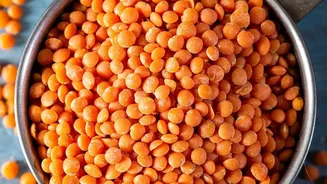
In India, lentils (or dal) are a cornerstone of our diet, but they are seldom seen on the breakfast table. It's time to break that stereotype. The versatility of lentils makes them an easy and logical addition to our morning routines. They have an earthy, neutral flavour that can easily absorb the tastes of other ingredients, making them suitable for both savoury and even some sweet applications. Pre-cooked or canned lentils can be a huge time-saver for busy mornings. Simply rinsing them is all it takes to have them ready to add to any dish. Different types of lentils offer different textures; for instance, red lentils cook quickly and break down, making them great for batters and purees, while green and brown lentils hold their shape well, perfect for adding texture to dishes.
Easy Savoury Breakfast Swaps
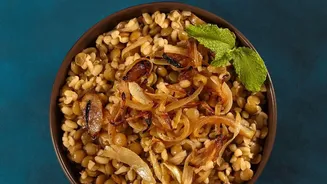
Incorporating lentils into your breakfast can be surprisingly simple and delicious. One popular and protein-rich option is a Moong Dal Chilla, a savoury pancake made from a simple batter of ground lentils, spices, and vegetables. You can also add a scoop of cooked lentils to your scrambled eggs or omelettes, boosting their protein and fibre content almost effortlessly. For a hearty, bowl-based breakfast, try a savoury porridge by cooking lentils with vegetables like spinach, mushrooms, and tomatoes, and topping it with a fried egg. Even traditional dishes can get a lentil upgrade; leftover dal can be used to knead dough for parathas, or mashed and seasoned to create a nutritious sandwich spread.
How to Make It a Truly Complete Protein
While lentils are incredibly rich in protein, they are technically an 'incomplete' protein, meaning they are low in one of the nine essential amino acids your body can't produce on its own. However, this is easily solved. Pairing lentils with grains like rice, quinoa, or whole wheat bread (like roti or toast) creates a complete protein profile, providing all the essential amino acids. This is a principle that Indian cuisine has followed for centuries with combinations like dal and rice. So, when you have a lentil chilla, pair it with a small portion of whole-grain toast. If you're having a lentil and vegetable scramble, serve it with a side of quinoa. This simple food combining ensures your breakfast is not just filling, but nutritionally complete in every sense.