



The Foundation: Flour, Water, Salt, and Austria
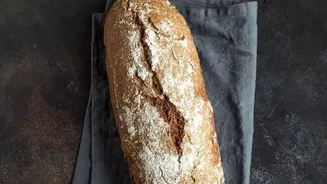
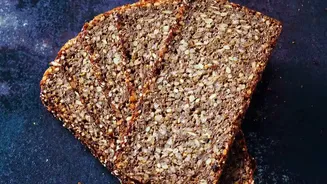
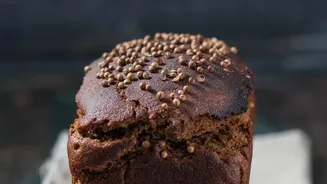
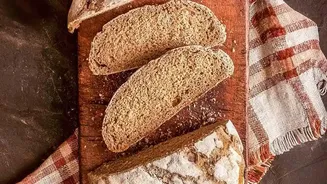
At the heart of the price debate is a simple recipe: rye flour, water, and salt. But the key ingredient for RYE by Martin Auer, the Austrian bakery behind the loaf, is organic rye flour imported directly from the family's home country. This isn't your
average supermarket flour. Specialty and heritage grains, which are often grown on a smaller scale with a focus on flavor rather than yield, can cost significantly more than their commercial counterparts. When a bakery decides to import a specific flour from Europe to a storefront in New York, the costs of sourcing and transportation add up quickly, forming the first layer of the bread's premium price. This commitment to a specific, non-local ingredient is a deliberate choice to replicate an authentic taste, but it comes at a literal cost.
The Process: Time Is the Most Expensive Ingredient
This isn't a loaf that’s mixed and baked in a few hours. The process relies on a sourdough starter that the Auer family says is over 50 years old. The starter must be fed daily, a process that takes 24 hours before it's ready to be used in dough. After the dough is mixed, it goes through multiple fermentation and resting periods. Once baked in a custom-built, two-ton German oven, the loaf must then rest for at least eight to twelve hours before it can even be sold. This multi-day process requires constant attention from skilled bakers. The labor involved—the hands-on shaping, monitoring, and patience—is a huge cost driver in any artisan product, especially in a high-wage city like New York.
The Real Estate: A SoHo Address
There’s a reason “location, location, location” is a real estate mantra. The bakery is located on Lafayette Street in SoHo, one of Manhattan's most expensive neighborhoods. The owners themselves point to the cost of operating in "one of the most expensive cities in the entire world" as a major factor in the price. Commercial rent in such a high-foot-traffic, high-prestige area is astronomical. That overhead—rent, utilities, insurance, and local taxes—is baked into the price of every single item sold. While a bakery in a less expensive part of town might be able to price its bread lower, the SoHo location is part of the brand's appeal and a significant contributor to its costs.
The Final Product: More Than a Meal
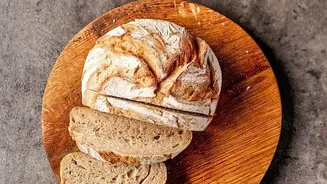
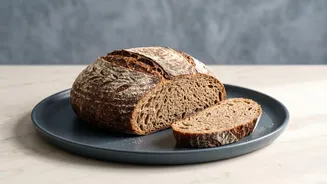
It's important to note that the $60 price is for a very large, 3.3-pound loaf. The bakery sells it in more manageable (and affordable) quarter-loaves for $15, which is more in line with other high-end New York bakeries. The bakery presents itself as a specialty destination, selling an experience as much as a product. With an open kitchen where customers can watch the bakers at work, it positions the bread not as a simple staple but as a piece of edible craftsmanship. In a city obsessed with the next big thing, from Cronuts to viral milkshakes, this loaf has become a status symbol and a "conversation piece," generating buzz that itself becomes part of the value. For some, the bragging rights of trying the viral $60 bread are worth the price of admission.