




Meet the Unwanted Guests
Before you can win the battle, you need to know your enemy. The most common trespassers in Indian kitchens are Indianmeal moths, rice and wheat weevils, and flour beetles. These pests are rarely a sign of a dirty home. More often than not, their eggs
or larvae hitch a ride into your kitchen inside paper, cardboard, or thin plastic packaging of grains, flours, and spices. Indianmeal moth larvae leave behind silky webs in products like cereal and atta, while weevils are tiny beetles that bore into whole grains like rice and dal. Spotting these signs early is the first step toward taking back control of your pantry.
Build a Fortress Pantry
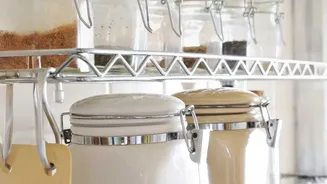
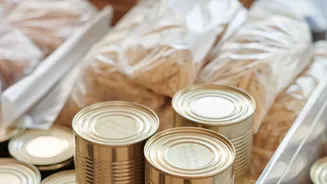
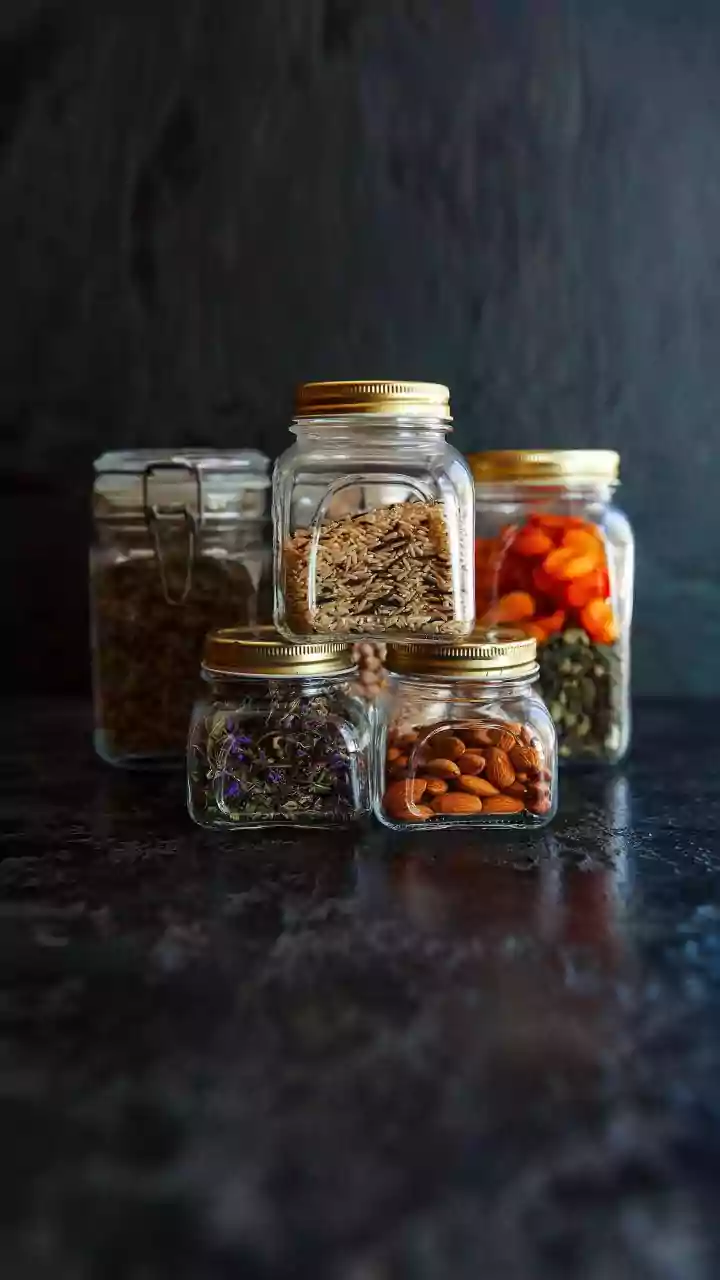
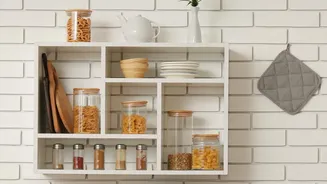
Prevention is always the best strategy. The single most effective defence is to eliminate the flimsy packaging your groceries come in. Invest in high-quality airtight containers made of glass, metal, or thick, food-grade plastic. Look for lids with a silicone or rubber gasket to create a truly impenetrable seal that locks out pests, moisture, and air, keeping your food fresh and safe. Pests like weevils can easily chew through paper bags and thin cardboard, so decanting new groceries immediately is a crucial habit to adopt. Before you even bring groceries home, give packages a quick inspection at the store for any tiny holes or tears, which could indicate an existing infestation.
A Smart Storage Strategy
Beyond using the right containers, a few smart habits can make all the difference. For an extra layer of security, place new packets of flour, dal, or rice in the freezer for four to seven days before moving them to your airtight containers. This simple step will kill any hidden eggs or larvae that may have been present from the warehouse or store. Adopt a “first in, first out” system, using up older products before opening new ones to ensure nothing sits forgotten at the back of a shelf for months. For staples common in Indian kitchens, a few traditional tricks work wonders. Placing a few dried bay leaves in containers of dal and rice, or dropping a few whole cloves into your suji (semolina) can help repel pests naturally. During humid monsoon months, placing a small cloth pouch of salt in your grain containers can help absorb excess moisture that attracts pests.
The Post-Infestation Cleanup Plan
If you’ve discovered an active infestation, a methodical deep clean is necessary. First, empty your pantry completely. Be ruthless and discard any open package that shows signs of pests—this includes sealed boxes that could be hiding eggs. Next, use a vacuum cleaner with a crevice tool to thoroughly clean every corner, crack, and shelf-peg hole inside the empty pantry. This removes lingering insects, eggs, and the crumbs they feed on. Immediately dispose of the vacuum bag in an outdoor bin. After vacuuming, wipe down every surface with hot, soapy water, followed by a solution of equal parts white vinegar and water. This not only sanitises the area but also removes the invisible scent trails that pests use to find their way back. Do not use harsh pesticides in your food storage areas. Allow everything to dry completely before restocking.