

The Allure of the Sippable Solution
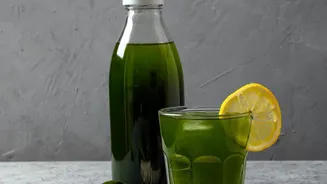
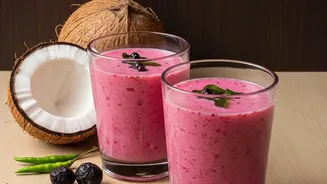
The beauty drink market is booming, with industry forecasts predicting it will be worth billions. It's easy to see why. These products offer a simple, elegant solution to common beauty woes. Instead of a complicated, multi-step skincare routine, you get
a tasty, photogenic drink that promises to work its magic from the inside out. Packaged in sleek bottles and promoted by influencers, these elixirs tap into our desire for wellness and convenience. They feel like an act of self-care, a small daily luxury. The promise is powerful: that the key to radiant skin, luscious hair, and strong nails could be as easy as twisting a cap. But as with any wellness trend that grows this quickly, it's wise to ask what's really inside the bottle.
The Collagen Conundrum: Skin's Scaffolding
Collagen is the star ingredient in most beauty drinks. It's the most abundant protein in our bodies, providing structure and elasticity to our skin. As we age, our natural collagen production declines, leading to wrinkles and sagging. The claim is that drinking hydrolyzed collagen—collagen broken down into smaller peptides—can replenish this loss. When you drink collagen, your digestive system breaks it down into amino acids. Your body then uses these building blocks to create new proteins, but it doesn't necessarily send them straight to your skin; it sends them wherever they are needed most. However, some research is promising. A major 2026 review of nearly 8,000 participants found that collagen supplements can indeed offer measurable benefits for skin elasticity and hydration. While not a miracle cure for aging, some studies do show modest improvements in skin health with consistent use. The evidence suggests it's more of a supportive tool than a dramatic transformation.
Hydration Heroes? Hyaluronic Acid and More
Alongside collagen, hyaluronic acid (HA) is another popular ingredient. Known for its ability to hold onto water, it's a staple in topical moisturisers. The idea behind drinkable HA is to hydrate the skin from within, giving it a plump, dewy look. Some studies have found that oral HA supplements can trigger skin cells to produce more of their own HA, potentially improving skin moisture. Other common additions include antioxidants like vitamins C and E, green tea extract, and various fruit extracts. These ingredients are known to protect the skin from damage caused by free radicals. While beneficial, it's important to consider whether a pricey drink is the best source. A diet rich in fruits, vegetables, and green tea provides these same antioxidants, often in a more complete and bioavailable form.
Biotin for Hair: Hype vs. Reality
Many beauty drinks also contain biotin (Vitamin B7), touting it as the ultimate nutrient for hair growth. Biotin does play a role in producing keratin, the protein that makes up our hair. However, the hype often outpaces the evidence. Scientific reviews have found no strong proof that biotin supplements promote hair growth in people who are not deficient in the vitamin. True biotin deficiency is rare in healthy individuals who eat a balanced diet. For those with a diagnosed deficiency, supplementing can help restore hair health. But for the average person, adding extra biotin via an expensive drink is unlikely to make a noticeable difference in their hair's length or thickness. The widespread belief in its power seems driven more by marketing than by robust clinical science.
The Verdict: A Treat or a Treatment?
So, where does that leave us? Beauty drinks are not a magic cure-all. Their effectiveness is a topic of ongoing debate, even among experts. While some ingredients, particularly collagen, have emerging evidence supporting modest benefits for skin, the claims often surpass what the science can currently prove. Dermatologists often advise that these drinks should be seen as a complement to a healthy lifestyle, not a replacement for one. Foundational habits like a balanced diet, adequate hydration, consistent sun protection, and a solid topical skincare routine remain the most proven ways to care for your skin, hair, and nails. If you enjoy a beauty drink as a tasty ritual and have realistic expectations, there's little harm. However, it's crucial to view them as a supplement, not a solution.