







The Perfume of the Earth
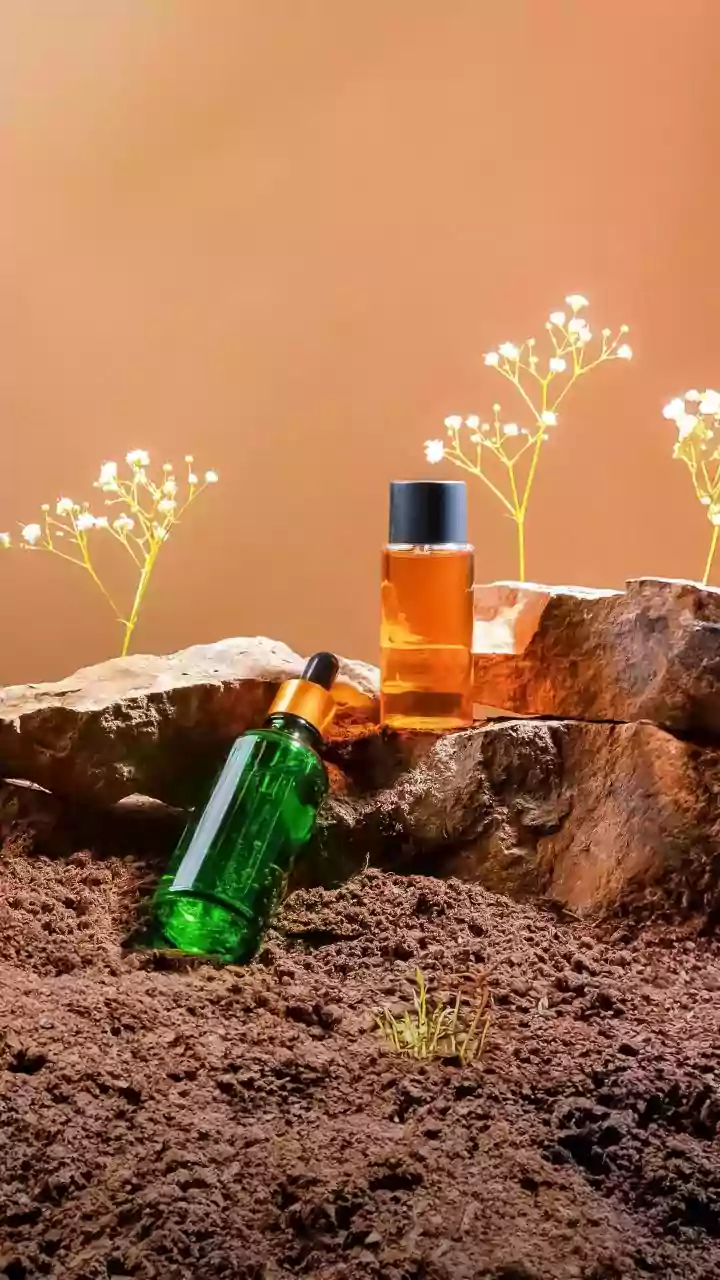
Known as mitti attar (mitti means earth or soil), this unique perfume captures the beloved scent of petrichor—the smell that rises when rain falls on parched ground. It is an aroma deeply woven into the cultural fabric of India, evoking nostalgia, renewal,
and a profound connection to the land. Unlike modern alcohol-based perfumes, traditional attars are oil-based, making them long-lasting fragrances that wear intimately on the skin. Mitti attar is considered the only fragrance in the world made from the earth itself, a liquid embodiment of the monsoon's arrival. Its scent is described as cool, mineral-rich, and deeply grounding, renowned in aromatherapy for its calming properties.
An Ancient Art of Distillation
The creation of mitti attar is an art form that has remained largely unchanged for hundreds, if not thousands, of years. It relies on a traditional hydro-distillation method known as deg-bhapka. The process begins with alluvial clay, sourced from local riverbanks and ponds, which is shaped into discs called tikkis and baked in a kiln. These baked clay pieces are placed inside a large copper still, or deg, and covered with water. The deg is sealed and heated slowly over a fire of wood and cow dung. As the water simmers, the fragrant steam travels through a hollow bamboo pipe, the chonga, into a copper receiving vessel, the bhapka. This receiver contains a base of sandalwood oil, which absorbs the aromatic compounds from the steam as it condenses. The entire process is repeated for over ten days until the sandalwood oil is fully saturated with the essence of the baked earth.
Kannauj: The Perfume Capital of India
The endurance of mitti attar is inseparable from the history of its home, Kannauj. For well over a thousand years, this city on the Gangetic plains has been the epicenter of Indian perfumery. Its prominence as a fragrance hub was noted by travelers as early as the 7th century and flourished under the patronage of Mughal emperors, who had a deep appreciation for fine attars. The city's location on ancient trade routes and its fertile land, ideal for cultivating fragrant flowers like rose and jasmine, cemented its status. This long history of expertise, passed down through generations of perfuming families, created the perfect environment for a complex craft like mitti attar to be perfected and preserved. Today, Kannauj's perfumes even hold a Geographical Indication (GI) tag, recognizing their unique heritage.
A Legacy Passed Through Generations
The primary reason for mitti attar's survival is the deeply ingrained tradition of familial knowledge. The intricate deg-bhapka process cannot be learned from a book; it is an oral tradition passed from parent to child. Artisans learn to control the temperature of the fire by feel, listening to the sounds of the still to know when the distillation is perfect. This generational stewardship has safeguarded the craft from obsolescence. Many of the hundreds of distilleries in Kannauj have been operated by the same families for centuries, with one artisan noting his son represents the 30th generation in the trade. This continuity ensures that the soul of the fragrance—the subtle nuances that only a master craftsperson can achieve—is not lost.
Challenges in a Modern World
Despite its rich history, the tradition of mitti attar faces significant threats. The modern fragrance market is dominated by cheaper, mass-produced synthetic perfumes. The rising cost and scarcity of pure sandalwood oil, the traditional base for attars, has also forced many perfumers to use cheaper alternatives that compromise the quality. Furthermore, some younger generations are moving away from the family craft due to its diminishing economic viability. However, a new wave of interest in natural, artisanal, and authentic products is breathing new life into the industry. Legacy entrepreneurs are working to revive Kannauj's identity through perfume tourism and direct-to-consumer brands, introducing this ancient fragrance to a new global audience.