

1. The Secret to Perfect Jaggery Payasam (Gur ki Kheer)
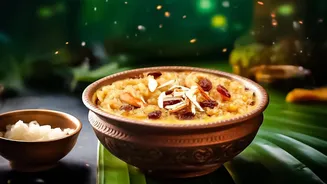
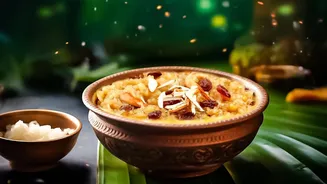
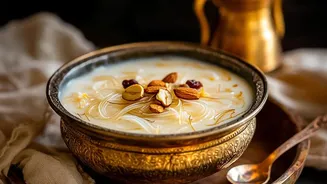
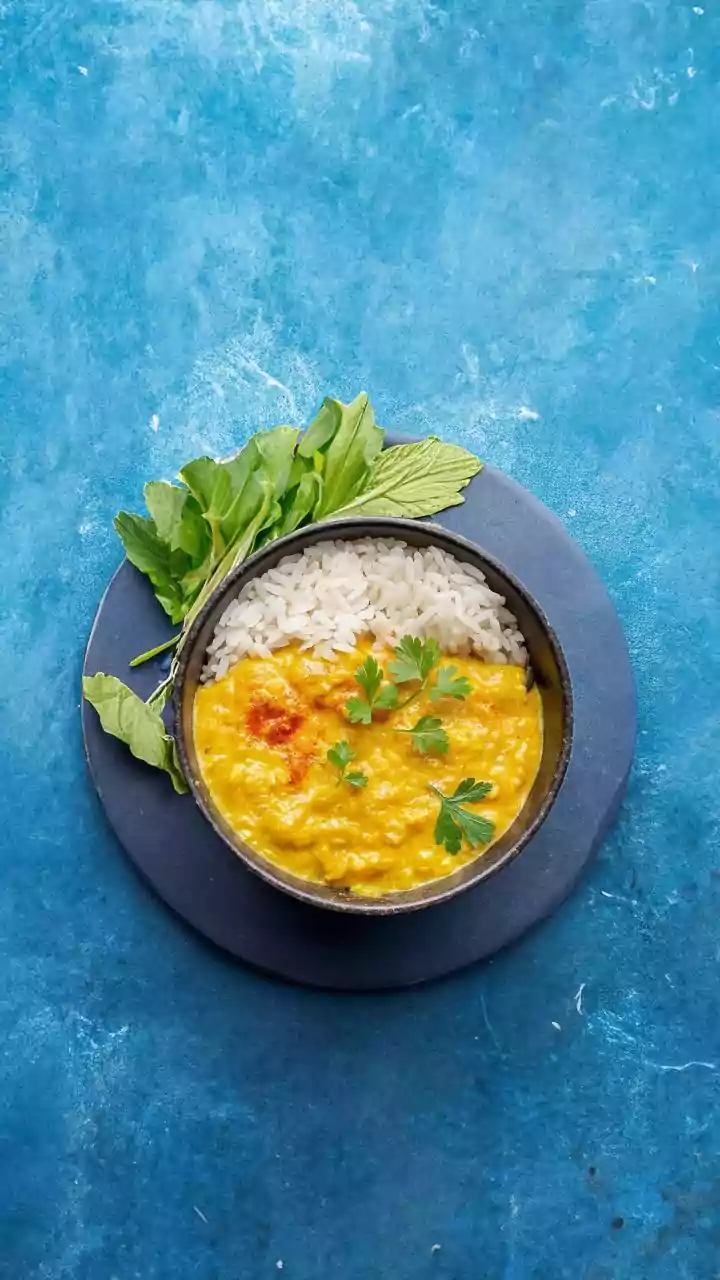
Jaggery payasam, also known as Bellam Paramannam, is a beloved rice and milk pudding, but it comes with a common challenge: curdling. The natural acidity in some types of jaggery can cause milk proteins to separate when heated together. The key to a creamy,
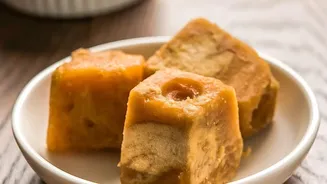
flawless payasam lies in temperature control. First, cook the rice until it is completely soft and mashable, using either a pressure cooker or an open pot. While the rice cooks, you can prepare the jaggery. A good practice is to melt the jaggery with a little water to form a syrup, which also allows you to strain out any impurities. Once the rice is cooked and the milk has been simmered to your desired consistency, the most crucial step is to turn off the heat. Let the cooked rice and milk mixture cool down slightly before you stir in the jaggery syrup. Never boil the milk and jaggery together. By adding the jaggery off-heat, you prevent the chemical reaction that causes curdling, ensuring your payasam remains smooth and luscious. Garnish with ghee-roasted cashews and raisins for a final touch of richness.
2. Gulgule (Sweet Wheat Fritters)
Gulgule are delightfully soft and fluffy sweet fritters, a perfect tea-time snack enjoyed across North India. The beauty of this recipe is its simplicity. To begin, dissolve grated or powdered jaggery in water. To this sweet water, add whole wheat flour, a pinch of baking soda for lightness, and aromatic spices like fennel seeds (saunf) and cardamom powder. Whisk everything into a smooth, thick batter that has a dropping consistency, ensuring there are no lumps. It should be slightly thicker than a pakora batter. For the best results, let the batter rest for at least 20-30 minutes; this allows the flour to hydrate and results in a softer gulgula. Heat oil or ghee in a kadai over a medium flame. Once hot, drop spoonfuls of the batter into the oil and fry until they puff up and turn a deep golden brown. Stir them occasionally for even cooking. Remove with a slotted spoon and drain on paper towels before serving warm.
3. Narkel Naru (Coconut Jaggery Ladoo)
A staple of Bengali festivities, Narkel Naru are irresistible coconut ladoos bound together by the rich flavour of jaggery. There are two main types, one with sugar and the other, more traditional version, with gur. To make these, start by gently roasting fresh grated coconut in a heavy-bottomed pan for a few minutes on low heat to reduce some of its moisture without browning it. Next, add grated jaggery or date palm jaggery (Nolen Gur) for a more fragrant version. As you cook the mixture on low heat, the jaggery will melt and combine with the coconut. Continue to stir continuously until the mixture becomes sticky and starts to pull away from the sides of the pan. Be careful not to overcook it, as this can make the ladoos hard. Turn off the heat and let the mixture cool just enough so you can handle it. While it's still warm, grease your palms with a little ghee and roll small portions of the mixture into tight, round balls. These ladoos can be stored in an airtight container for up to a week.
4. Unniyappam (Sweet Rice Fritters)
Unniyappam are small, round, fried sweets from Kerala, traditionally cooked in a special pan called an 'appe chatti' or 'paniyaram pan'. The batter is the star of this dish. It typically starts with rice that has been soaked for a few hours. This soaked rice is then ground into a semi-coarse paste along with ripe bananas, jaggery, and a little water. Some recipes also use a mix of rice flour and wheat flour for a different texture. To this batter, small pieces of coconut fried in ghee and sesame seeds are often added for crunch and flavour. After letting the batter rest for at least 30 minutes, heat the unniyappam pan and add a little ghee or oil to each cavity. Pour the batter into each mould and cook on a medium-low flame until the bottom is golden and crisp. Flip each one carefully and cook the other side until done. The result is a snack that is crispy on the outside and soft and spongy on the inside.
5. Til Gud Ladoo (Sesame and Jaggery Balls)
A classic winter sweet, Til Gud Ladoo is incredibly simple to make and is packed with nutrition from sesame seeds and jaggery. These ladoos are especially popular during festivals like Makar Sankranti. The process involves dry roasting white sesame seeds (til) in a pan on low heat until they become fragrant and start to pop. Once roasted, they are set aside to cool. Sometimes peanuts are also added for extra crunch and flavour. Next, jaggery is melted in a pan with a tiny amount of water or ghee to create a syrup. The syrup needs to be cooked until it reaches the 'hard ball' stage; you can test this by dropping a small amount into a bowl of cold water—it should form a firm ball. Once the syrup is ready, the roasted sesame seeds are quickly stirred in, along with a pinch of cardamom powder. The mixture is taken off the heat and, while still hot, small portions are rolled into ladoos. It’s important to work quickly as the mixture hardens as it cools.