


Why A Slow Start Is Crucial
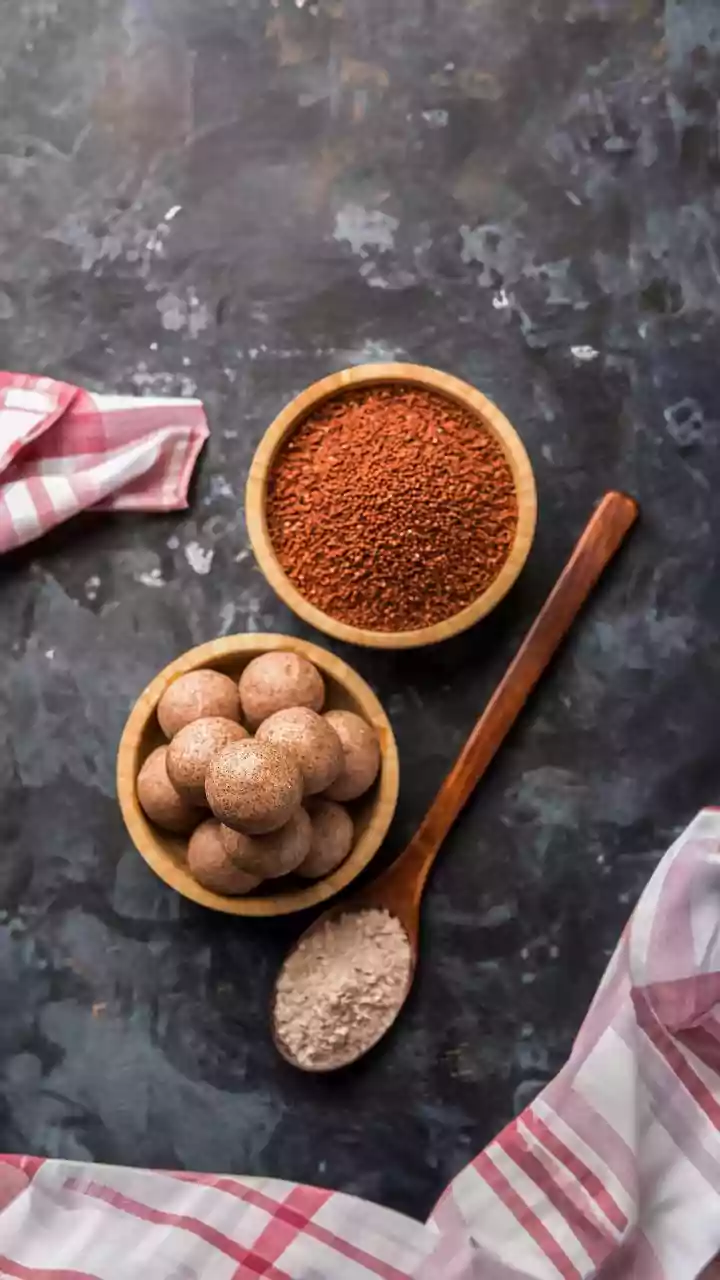
For nine days, your digestive system has been on a lighter workload. You've likely consumed specific vrat-friendly foods like fruits, nuts, dairy, and special flours. This period of altered eating slows down the production of digestive enzymes. Rushing
into rich, oily, or complex foods can overwhelm your gut, leading to uncomfortable issues like bloating, gas, acidity, and indigestion. The key is to reawaken your digestive fire slowly and methodically, giving it time to readjust and start producing the enzymes needed to handle a wider variety of foods. Think of it as easing a car out of a long rest, rather than revving the engine to its maximum from a cold start.
Your First Post-Fasting Meal
The very first meal you have after breaking your fast should be light, hydrating, and easy to digest. The goal is to provide energy and nutrients without straining your stomach. Start with liquids or semi-liquids. A glass of fresh fruit juice (avoiding excess sugar) or coconut water is an excellent way to begin, as it helps with hydration. A small bowl of clear vegetable soup or broth is another fantastic option. If you feel ready for something slightly more substantial, a portion of plain yoghurt or a fruit smoothie can provide probiotics and gentle nourishment. These choices help prepare your stomach for solid foods to come.
Gentle Foods to Embrace
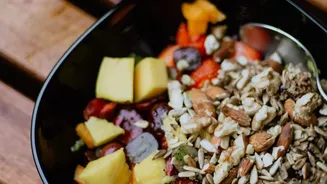
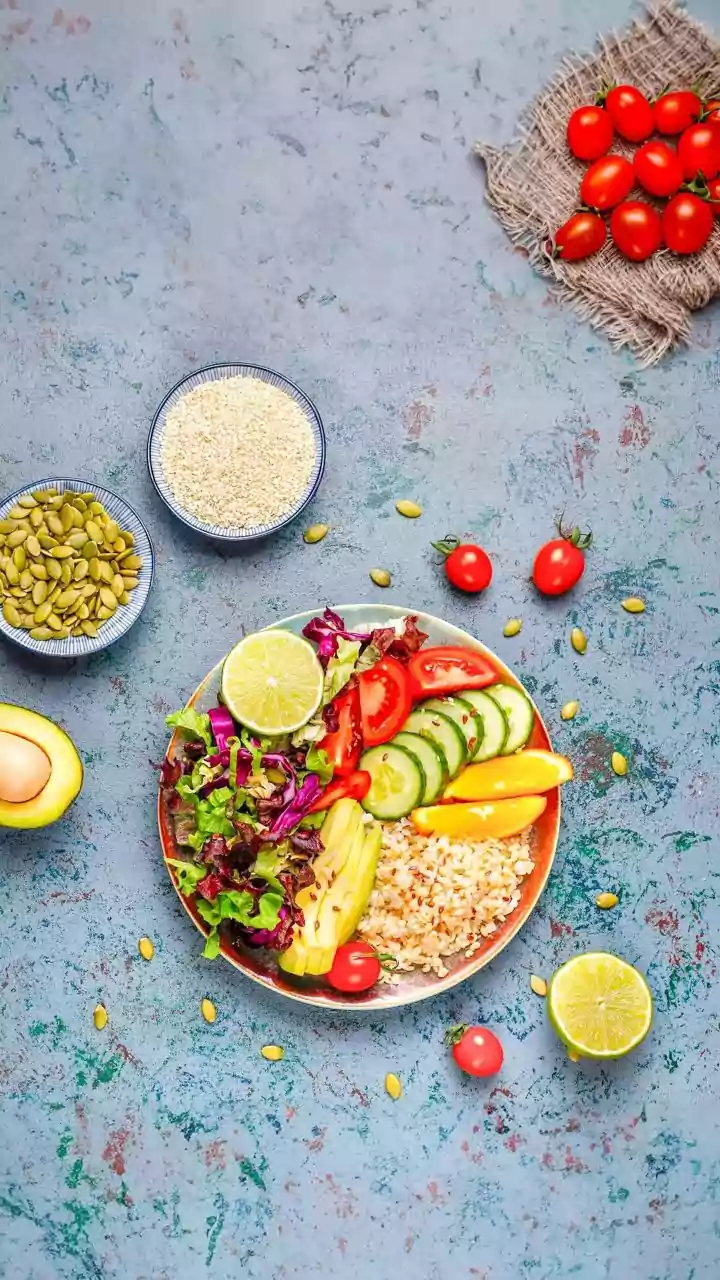
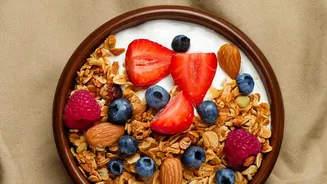
For the first one or two days after your fast, prioritise foods that are simple and nourishing. Your focus should be on small, frequent meals rather than three large ones. Some of the best choices include: - Moong Dal Khichdi: This classic comfort food is the perfect post-fasting meal. Made with rice and lentils, it’s a balanced source of carbohydrates and protein that is exceptionally easy to digest. - Steamed or Sautéed Vegetables: Cooked vegetables are gentler on the gut than raw ones. Opt for vegetables like lauki (bottle gourd), zucchini, carrots, and spinach. A simple preparation with minimal spices is best. - Yoghurt and Buttermilk: Probiotic-rich dairy like plain curd (yoghurt) and chaas (buttermilk) helps replenish healthy gut bacteria and aids digestion. - Soft Fruits: Fruits like bananas, papayas, and steamed apples are good choices. They provide natural sugars for energy along with essential vitamins. - Soaked Nuts: Instead of eating them raw, have a few soaked almonds. Soaking makes them easier to digest.
Foods to Avoid for a Day or Two
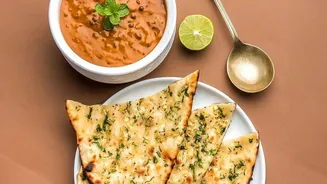
Just as important as what to eat is what to avoid. Steer clear of anything that will put your digestive system under stress. This includes: - Deep-Fried and Oily Foods: Pakoras, puris, and other fried snacks are a definite no. The high-fat content is difficult to digest and can lead to immediate discomfort. - Heavy Sweets: While it's tempting to reach for mithai, processed sugar can cause sharp spikes in blood sugar and may be harsh on your system after a fast. - Spicy Dishes: Very spicy food can irritate the lining of your stomach, which may be more sensitive after fasting. - Refined Flour and Processed Foods: Avoid items made with maida (white flour) and other ultra-processed foods, as they lack nutrients and can be hard to break down. - Excessive Caffeine: Limit your intake of tea and coffee for a day, as they can contribute to acidity on an empty or sensitive stomach.
Hydration and Listening to Your Body
Throughout this transition period, staying hydrated is paramount. Continue to drink plenty of water, coconut water, and herbal teas. Hydration not only aids digestion but also helps flush out toxins and restores balance in the body. Above all, pay attention to your body's signals. Eat slowly, chew your food thoroughly, and stop when you feel comfortably full, not stuffed. If you feel any discomfort, revert to lighter foods like soup or khichdi. Your body has just undergone a significant period of discipline and cleansing; honouring its need for a gentle re-entry to normal eating is the final, crucial step of your Navratri observance.