

What Happened in Nepal?
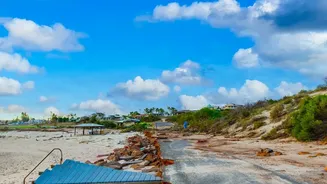
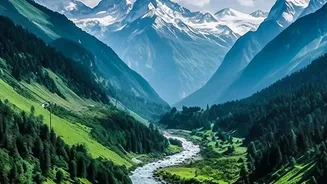
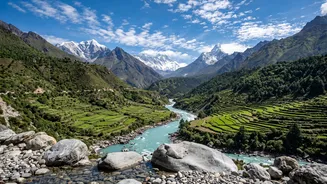
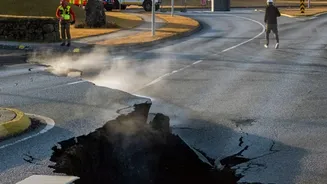
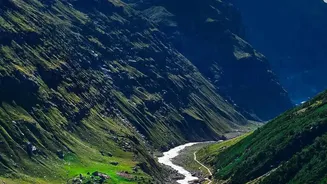
On August 26, 2026, a catastrophic flash flood tore through the Bhote Koshi and Trishuli river valleys in northern Nepal, originating near the border with Tibet. Triggered by a suspected glacier collapse or ice-rock avalanche, the event caused massive
destruction of roads, bridges, and buildings in several districts, including Rasuwa, Nuwakot, and Dhading. These areas are gateways for both trekkers and pilgrims. The event led to a major search and rescue operation for hundreds of missing locals and foreign tourists. The government has warned that the risk of further flooding and landslides remains high, especially with ongoing monsoon rains.
Affected Regions and Travel Advisories
The most severely impacted areas are along the Trishuli River corridor. Several foreign governments have issued strict travel warnings. Australia, for instance, advises reconsidering travel to areas within 50 kilometres of the Trishuli River in Rasuwa, Nuwakot, Dhading, Nawalpur, and Gorkha districts due to significant infrastructure damage and ongoing risks. The UK government has noted widespread damage in Rasuwa district and along the Nepal-China border, affecting transport and communication infrastructure. Overland travel between Nepal and Tibet, including routes to Mount Kailash, is severely disrupted. The main road from Betrawati to the Rasuwagadhi border crossing was destroyed at multiple points. Authorities have also urged caution on the Mugling-Narayangadh road, a major artery. Travellers are strongly advised to monitor local news and follow the guidance of Nepalese authorities.
Understanding September's Weather
September is a transitional month in Nepal, marking the end of the monsoon season (June to September) and the beginning of the peak autumn trekking season. While the latter half of the month typically brings clearer skies and more stable conditions, the early part can still see significant rainfall. This lingering moisture, combined with terrain destabilised by the summer's downpours and the recent flood event, elevates the risk of landslides and further river swells. Even on clear trails, trekkers must remain alert to the possibility of falling rocks and sudden weather changes. The U.S. Embassy in Nepal has warned that heavy rain could continue into early September, potentially causing more flash floods and interrupting rescue operations.
Are Popular Trekking Routes Safe?
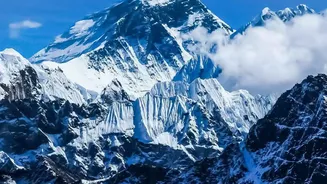
This is the critical question for many. The floods were concentrated in specific river valleys, particularly those used for transit to the Langtang region and the Tibet border. Many of the most famous high-altitude trekking destinations, such as the Everest Base Camp and Annapurna Base Camp trails, were not directly in the path of the main floodwaters. Tour operators have noted that Kathmandu and its international airport are operating normally. However, the key concern is access. Road closures and infrastructure damage could complicate travel to the start of various treks. Furthermore, the overall instability means that even unaffected regions require a high degree of caution. While treks in the Everest and Annapurna regions may still be possible, especially later in September, conditions can change rapidly.
Advice for Travellers
If you have a trip booked for Nepal in September, your first step should be to contact your airline, tour operator, or travel agent for the latest information on your specific itinerary. Do not travel without comprehensive travel insurance that explicitly covers natural disasters and medical evacuation. If you decide to proceed, register your trip with your country's embassy. The Nepalese government has established emergency hotlines, including 1144 and the toll-free number 1234, for assistance within Nepal. Be prepared for delays and have contingency plans. Pack for wet and unpredictable weather, and always use a reputable, registered trekking agency that can provide experienced guides who understand the current local conditions. Never trek alone, especially under these circumstances.